The Hidden Danger in Your Home? Unmasking the Toxicity of the Garden sorrel Plant.
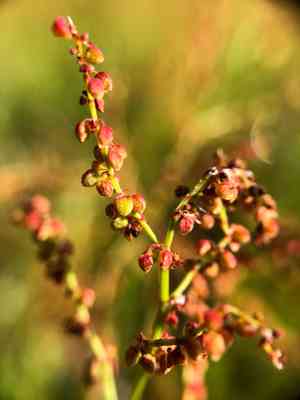
1
Ingesting garden sorrel can lead to symptoms such as shaking, increased saliva production, and loose stools, especially in children and individuals with pre-existing health issues.
2
Garden sorrel poses a toxicity risk to felines and canines, resulting in signs like throwing up, loose bowel movements, and profuse salivation if consumed.
3
Prompt veterinary attention is essential if a companion animal consumes garden sorrel to effectively address any potential health concerns.
Is Garden sorrel toxic to humans?
Ingestion of garden sorrel, particularly in large amounts, or exposure to its pollen, can lead to poisoning due to calcium oxalates. While the foliage's toxicity is mild, excessive consumption may cause trembling, increased salivation, and loose stools, alongside a heightened risk of kidney stones and mineral deficiencies. Children and individuals with pre-existing conditions like kidney stones, rheumatism, or arthritis face greater risks. Its pollen can also trigger moderate hay fever, manifesting as itchy, watery eyes, nasal discharge, congestion, sneezing, postnasal drip, and tiredness.
Is Garden sorrel toxic to cat?
Garden sorrel presents a toxicity hazard to felines if ingested. Should cats inadvertently consume portions of garden sorrel, especially the leaves, they might suffer negative health consequences. Symptom severity can differ, but it's vital for cat guardians to be watchful for any indications of discomfort or sickness following consumption. Given the potential danger garden sorrel poses, owners must promptly seek veterinary attention to effectively manage their cat's health in a poisoning incident.
Is Garden sorrel toxic to dog?
Garden sorrel is deemed harmful to canines. Dogs can experience poisoning from this plant if they consume it accidentally, with the leaves being the toxic component. Following garden sorrel ingestion, a dog might display various signs of poisoning. These symptoms can encompass throwing up, loose stools, excessive drooling, lethargy, or alterations in urine hue. It is crucial for dog owners to closely supervise their pets and restrict access to garden sorrel to prevent unintended consumption. If a dog does consume garden sorrel, immediate veterinary care is essential to ensure the pet's optimal recovery.



