The Hidden Danger in Your Home? Unmasking the Toxicity of the American elder Plant.
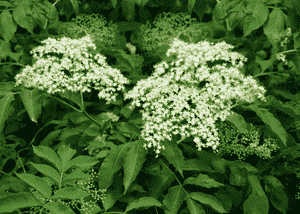
1
The roots, stems, foliage, seeds, and immature fruits of American elder possess significant toxicity to both humans and animals upon consumption.
2
Mature berries from the American elder are gastronomic treats, utilized in preserves, jellies, pastries, and fermented beverages, but necessitate meticulous preparation.
3
Prompt veterinary care is essential should felines or canines consume any portion of the American elder, especially its seeds.
Is American elder toxic to humans?
The roots, stems, foliage, seeds, and immature fruits of American elder can be highly poisonous to people if consumed. These plant components contain detrimental alkaloids and cyanogenic glycosides that can lead to serious sickness. Signs of American elder intoxication include sickness, throwing up, loose stools, and, in severe instances, trouble breathing, organ malfunction, unconsciousness, or fatality. While the mature fruits of American elder are collected for cooking â they are transformed into preserves, jellies, pastries, and beverages, among other items â extreme caution must be exercised to thoroughly cook the fruit and extract all seeds.
Is American elder toxic to cat?
American elder is harmful to felines and can lead to poisoning if accidentally consumed, especially the seeds which contain the toxic compounds. When a cat ingests American elder, they might display indications of physical distress or sickness. It is crucial for cat guardians to restrict access to American elder and to observe their pets carefully. Should ingestion be suspected, immediate veterinary assistance must be sought to guarantee swift and suitable treatment is provided.
Is American elder toxic to dog?
American elder is a plant that presents a toxicity danger to canines. When dogs consume this plant, particularly its seeds, they can experience poisoning. Ingestion frequently happens by accident when dogs can access areas where American elder grows or if plant parts are within their reach. After consuming harmful portions of American elder, dogs may show various symptoms indicating poisoning. It is vital for dog owners to supervise their pets and prevent access to American elder to avert unintentional ingestion. If a dog does ingest any part of American elder, especially the seeds, it is critical to seek immediate veterinary attention as prompt treatment is essential for the affected animal's health and welfare.



