The Hidden Danger in Your Home? Unmasking the Toxicity of the Common sassafras Plant.
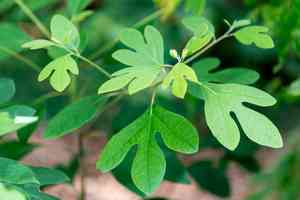
1
Sassafras oil, frequently found in common sassafras, contains safrole, which can lead to serious effects like hallucinations and vomiting if consumed.
2
Prompt veterinary attention is crucial for felines that have come into contact with common sassafras, given its capacity to inflict significant health problems.
3
Canines that consume the bark of common sassafras may experience poisoning, highlighting the importance of careful pet supervision.
Is Common sassafras toxic to humans?
The harmful compounds in common sassafras can trigger adverse responses in people if the oil is contacted or consumed. Effects can be serious, potentially causing organ damage or cancer. The oil, derived from the root, is particularly poisonous, even in small quantities, due to its safrole content. This oil can cause skin irritations upon contact, or perspiration, elevated blood pressure, delusions, and emesis if swallowed. Some individuals might be inclined to use the oil for therapeutic purposes without realizing its harmful characteristics.
Is Common sassafras toxic to cat?
Common sassafras is a plant known for its harmfulness to felines. When cats consume this plant, particularly its bark, they face significant danger. Exposure typically happens when cats mistakenly eat the bark, potentially resulting in serious health problems. Owners should watch for any indications of physical discomfort or sickness in their cats, which might signal poisoning. Prompt veterinary attention is essential to address the health dangers linked to common sassafras ingestion, as quick treatment can be critical for the affected cat's recuperation.
Is Common sassafras toxic to dog?
Common sassafras is deemed harmful to canines. Should a dog consume this plant, especially its bark, it could lead to poisoning. Dog guardians should be watchful as dogs might inadvertently ingest parts of common sassafras, which can cause various signs indicating toxicity. Although the precise toxic agents are not specified, it is vital for pet owners to identify symptoms of distress in their pets, such as throwing up, loose stools, feebleness, or behavioral shifts that might suggest poisoning from common sassafras. If a dog displays any of these signs after encountering common sassafras, it is crucial to seek immediate veterinary assistance to ensure the best possible outcome for the animal.



