The Hidden Danger in Your Home? Unmasking the Toxicity of the Carolina horsenettle Plant.
1
Carolina horsenettle poses a significant health risk to people, with severe instances potentially causing breathing difficulties and fatality.
2
If cats or dogs consume carolina horsenettle, they may exhibit digestive issues and lethargy; prompt veterinary attention is crucial.
3
While all components of carolina horsenettle possess poisonous alkaloids, these compounds are found in their highest concentrations within the plant's berries.
Is Carolina horsenettle toxic to humans?
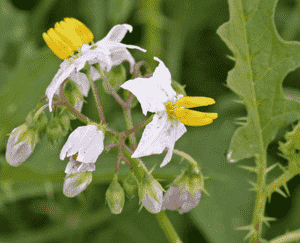
Carolina horsenettle presents a high toxicity risk to humans if consumed. All components of the plant contain poisonous alkaloids, with the highest concentrations found in its fruits. Ingestion can lead to symptoms such as elevated body temperature, head pain, nausea, loose stools, stomach cramps, and in severe instances, breathing difficulties and even fatality. Carolina horsenettles are often regarded as troublesome invasive species in numerous regions; most encounters occur during attempts to eradicate them. Fortunately, human consumption of carolina horsenettle is exceedingly uncommon, as it lacks any edible counterparts. When handling or removing carolina horsenettle, ensure thorough hand washing to prevent accidental intake of harmful alkaloids.
Is Carolina horsenettle toxic to cat?
Carolina horsenettle is a poisonous plant that presents considerable health dangers to felines. Should a cat consume any portion of carolina horsenettle, they might experience physical discomfort due to its harmful characteristics. Cats can inadvertently ingest carolina horsenettle, resulting in indications of poisoning that necessitate prompt veterinary attention. Although specific symptoms are not detailed, cat guardians should be watchful for any signs of illness and quickly seek treatment at an animal hospital to safeguard the well-being and health of their feline companions.
Is Carolina horsenettle toxic to dog?
Carolina horsenettle is poisonous to canines, posing a considerable health hazard if consumed. Dogs may inadvertently ingest parts of this plant, leading to intoxication. The entire plant, encompassing foliage, stalks, blossoms, and fruits, is toxic and should be kept inaccessible to pets. Following ingestion, dogs might display symptoms such as digestive upset, feebleness, low body temperature, or more severe indicators depending on the quantity consumed. It is vital for dog owners to be watchful and prevent their pets from accessing carolina horsenettle. In cases of suspected poisoning by carolina horsenettle, immediate veterinary intervention is crucial to ensure the most favorable outcome for the affected dog.



