The Hidden Danger in Your Home? Unmasking the Toxicity of the Bird of paradise Plant.
1
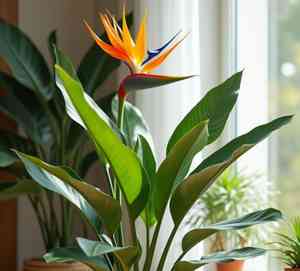
The plant known as bird of paradise is frequently confused with the very poisonous Poinciana gilliesii, as they share a common designation.
2
The most hazardous components of the bird of paradise are its fruits and seeds, presenting a higher danger if consumed.
3
Bird of paradise can be especially detrimental to felines and canines, leading to signs such as emesis, loose stools, and difficulty breathing.
Is Bird of paradise toxic to humans?
Bird of paradise is generally regarded as non-toxic, but can be harmful if consumed in significant amounts. Poisoning incidents are typically mild to moderate, presenting with symptoms such as stomach cramps, sickness, throwing up, and loose stools. Poisoning cases might be more severe in children. The fruit and seeds are thought to be the most harmful parts of the plant. Its common use as an indoor plant could contribute to the frequency of poisonings. This plant can be confused with another more dangerous species, Poinciana gilliesii, due to their shared common name, bird of paradise.
Is Bird of paradise toxic to cat?
The seeds and fruits of the bird of paradise (Strelitzia reginae) pose a moderate toxicity risk to felines. Their foliage and stalks might also be slightly toxic. Symptoms after consumption can include sickness, throwing up, loose stools, and a reduced desire to eat. Typically, incidents are not severe enough to necessitate a veterinary visit. Nevertheless, having a bird of paradise in your residence is strongly advised against if you own cats.
Is Bird of paradise toxic to dog?
Bird of paradise plants can be mildly to moderately harmful to canines. The seeds – found within elongated pods – are the most toxic and most frequently consumed, but any portion of this plant could trigger negative responses. Common signs include throwing up, loose stools, lethargy, digestive upset, and difficulty breathing. Most professionals advise bringing your dog to the vet if you suspect they've eaten part of a bird of paradise, irrespective of the intensity of their reaction.



