The Hidden Danger in Your Home? Unmasking the Toxicity of the Celandine poppy Plant.
1
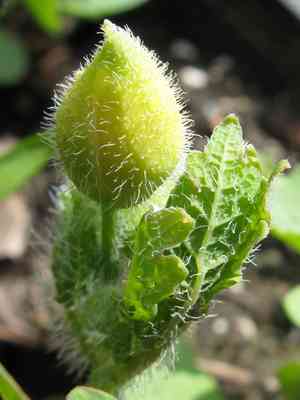
The celandine poppy possesses harmful substances that may lead to minor digestive issues like sickness and throwing up in people.
2
Touching celandine poppy directly can irritate the skin or eyes, resulting in redness, itching, or inflammation.
3
For animals, the celandine poppy presents a moderate danger of poisoning to both felines and canines, requiring prompt veterinary attention if consumed.
Is Celandine poppy toxic to humans?
Celandine poppy possesses harmful compounds that pose a risk to people, though the impact is generally minor. Consuming its leaves, roots, or fruit may lead to mild digestive issues, including queasiness, stomach cramps, throwing up, and loose stools. Direct contact with this plant can also irritate the skin or eyes, potentially causing redness, itching, inflammation, a rash, or even blisters in sensitive individuals.
Is Celandine poppy toxic to cat?
Celandine poppy poses a moderate danger to cats. These animals can experience poisoning if they consume any portion of the plant, especially the foliage. After consumption, a cat might display general signs of physical distress, indicating intoxication. While the precise toxic agents in celandine poppy are not specified, the established hazard necessitates quick action. Cat guardians should immediately consult a veterinarian if they suspect their pet has eaten any part of celandine poppy, ensuring prompt intervention to lessen any negative health consequences.
Is Celandine poppy toxic to dog?
The plant species celandine poppy is recognized as moderately harmful to canines. When dogs consume portions of this plant, particularly its leaves, they face a risk of poisoning. The typical way dogs become poisoned is by swallowing these dangerous parts. Following ingestion, a dog might show various signs suggesting intoxication. It is vital for dog owners to be watchful and prevent their pets from accessing celandine poppy. Should a dog ingest any part of the plant, it is crucial to seek immediate veterinary attention to ensure the best possible health outcome for the animal.



