How to Transplant White fir?
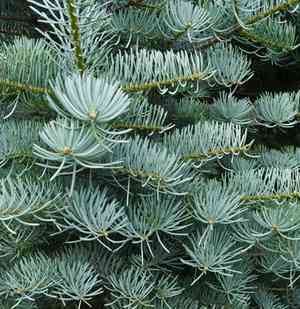
The optimal time for relocating white fir is between mid-spring and late spring, when atmospheric conditions are temperate and consistent. White fir flourishes in areas with good drainage, cool temperatures, and partial sunlight. Make sure the root mass remains hydrated during the entire procedure, and steer clear of intense, direct solar radiation following the transfer.
What Preparations are Needed Before Transplanting White Fir?
What is the Ideal Time for Transplanting White Fir?
The best time to move your white fir is from mid to late spring. The warmer temperatures and softer ground during this period create an ideal setting for root growth. Relocating white fir at this time minimizes transplant shock, leading to a healthier, more robust plant over time.
How Much Space Should You Leave Between White Fir Plants?
To allow your white fir ample room to develop and flourish, aim to plant them approximately 15-20 ft (4.5-6 m) apart. This spacing ensures proper air circulation and prevents overcrowding, promoting vigorous growth.
What is the Best Soil Mix for White Fir Transplanting?
For white fir, well-draining soil is optimal. Combine a blend of loamy, sandy, or clay soil with organic material, such as compost. Incorporate a slow-release, balanced fertilizer (like a 10-10-10) to supply essential nutrients for a strong beginning.
Where Should You Relocate Your White Fir?
Choose a spot where your white fir will receive full sun to partial shade (4-6 hours of sunlight daily). This guarantees optimal development and a sturdy, thriving plant throughout its perennial lifespan.
What Equipments Should You Prepare Before Transplantation White Fir?
Gardening Gloves
To safeguard your hands while handling soil and the plant.
Shovel or Spade
To excavate the planting hole and carefully extract the white fir from its original spot without harming its root system.
Wheelbarrow or Container
For moving the white fir to its new location, preventing physical strain on the plant.
Watering Can or Hose
To hydrate the soil before and after relocating the white fir, thereby reducing transplant stress.
How Do You Remove White Fir from the Soil?
How Do You Remove White Fir from the Soil?
From Ground: Start by watering the white fir a few hours prior to transplanting to moisten the surrounding soil. This facilitates easier removal. Dig a wide trench around the white fir using a spade or shovel, being careful not to damage its root ball. Once complete, gently slide the spade beneath the root ball and carefully lift it.From Pot: Begin by watering the white fir, which will help it slide out more easily. Invert the pot and hold the white fir by its base, then tap the pot's rim against a firm surface. This should loosen the root ball, allowing you to extract the plant with minimal root damage.From Seedling Tray: Carefully lift the seedlings by their stem bases. Endeavor to keep the root ball as intact as possible and handle it gently to prevent root breakage.
Step-by-Step Guide for Transplanting White Fir
Confirm Timing
Transplant white fir in late autumn or early spring when it is dormant to minimize growth interruption.
Hole Preparation
Excavate a hole in the chosen area that is twice the width of the root ball but only as deep. The white fir should not be planted deeper than its previous position.
Positioning the Plant
Place the white fir in the center of the hole, ensuring the top of the root ball is level with the ground surface.
Backfilling
Fill half the hole with the original soil, gently firming it to eliminate air pockets. Water the white fir thoroughly, and once the water has drained, complete filling the hole.
Watering
Water the white fir thoroughly again after planting, ensuring the root ball and surrounding soil are well hydrated.
How Do You Care For White Fir After Transplanting?
Mulching
Apply a 3-inch layer of mulch around the white fir to help retain moisture and keep roots cool. Ensure the mulch does not touch the plant's trunk to reduce the risk of rot and pests.
Pruning
Avoid significant pruning immediately after transplanting. If necessary, only remove dead or damaged parts to conserve the white fir's energy for root system development.
Inspecting
Regularly check the white fir for signs of transplant shock, such as wilting leaves or discoloration. If observed, temporarily reduce sun exposure and maintain consistent moisture levels.
Troubleshooting Common Issues with White Fir Transplantation.
When is the best time of year to transplant white fir?
The most opportune time to transplant white fir is from mid-to-late spring. As a resilient perennial, it benefits from a fresh start during the budding season.
What should be the proper space provision while transplanting white fir?
Ensure a generous 15-20 ft (4.5-6 m) spacing between white fir to allow for ample growth. These plants can spread considerably and require sufficient room.
Why are my transplanted white fir dying and what can I do to prevent this?
This could be due to various factors including water stress, transplant shock, or incorrect timing. Ensure you transplant white fir in mid-to-late spring and provide adequate hydration.
What's the best soil type for white fir transplanting?
White fir prefers well-draining soil with a pH ranging from acidic to slightly alkaline. Enhance your garden soil with organic matter before planting to ensure robust growth.
How much water does white fir need after being transplanted?
White fir requires abundant water following transplantation. Water thoroughly, but allow the soil to dry slightly between each watering to prevent waterlogging.
Should I add any fertilizer while transplanting white fir?
White fir does not demand heavy fertilization. Simply mixing organic compost or a slow-release granular fertilizer into the planting hole should provide sufficient nutrients.
Why are the leaves of my transplanted white fir turning yellow?
Yellow foliage can indicate overwatering or poor drainage. Ensure the white fir is planted in well-draining soil and watered appropriately.
How deep and wide should the hole be when transplanting white fir?
Dig a hole twice as wide and the same depth as the white fir's root ball. This will provide space for the roots to spread and establish.
How can I ensure my transplanted white fir gets established successfully?
Provide adequate space, water judiciously, plant in well-draining soil, and keep the transplant site free of weeds. Remember to transplant white fir during mid-to-late spring for optimal results.
My white fir looks stressed after transplanting. What should I do?
Minimize transplant shock by watering thoroughly, mulching around the base, and temporarily reducing exposure to harsh weather conditions if possible. Generally, white fir will recover with proper care.



