How to Transplant Momi fir?
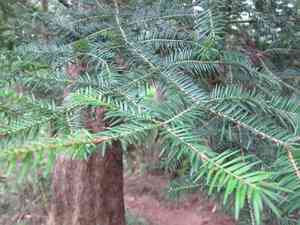
The ideal period for relocating momi fir is when conditions transition from the cool crispness of spring to the mild warmth of early summer, fostering root development without intense thermal strain. Select a site featuring soil that drains effectively, providing exposure to morning sunlight. Careful manipulation of the root system during the transfer process is advantageous.
Essential Preparations Before Relocating Momi Fir
Optimal Period for Momi Fir Relocation?
The most favorable time to move momi fir is during the gentle transition from late spring to early summer. This timeframe allows momi fir to establish its root system in mild conditions before the onset of intense summer heat. Utilizing this window ensures momi fir has the best opportunity to flourish with extended daylight and consistent growing circumstances. Furthermore, transplanting at this point aligns with momi fir's natural growth cycle, enhancing its capacity to adapt and thrive in its new environment.
Required Spacing Between Momi Fir Plants?
When preparing to rehome your momi fir, ensure they have ample room for development. Aim to position them approximately 15-20 feet (4.5-6 meters) apart. This spacing will provide their roots with sufficient area to spread and their branches to extend outward and upward.
Ideal Soil Mixture for Momi Fir Transplanting?
Your momi fir will flourish in soil that drains well and is slightly acidic to neutral. Prior to transplanting, enrich the site with a foundational fertilizer, such as a balanced 10-10-10 blend, using just one or two scoops as per package directions, to give your momi fir a successful beginning!
Recommended New Location for Your Momi Fir?
Locate a sunny spot for your momi fir where it can receive at least 6 hours of direct sunlight daily. Partial shade is acceptable, but more sun generally leads to a healthier momi fir. Just ensure it's shielded from harsh afternoon sun if you reside in a particularly hot region!
Necessary Equipment for Momi Fir Transplantation
Gardening Gloves
To safeguard your hands while handling soil and the plant.
Spade or Shovel
For excavating the momi fir and preparing a new planting site.
Garden Fork
To aerate the soil around the designated planting area.
Watering Can or Hose
To hydrate the momi fir both before and after its relocation.
Wheelbarrow
To transport the momi fir and soil as needed.
Pruning Shears
To trim any damaged roots or branches.
Mulch
To help retain moisture and stabilize soil temperature post-planting.
Stake and Ties
For providing support to the momi fir if required after transplant.
Method for Extracting Momi Fir from the Ground
Method for Extracting Momi Fir from the Ground?
From Ground: First, hydrate the momi fir plant to moisten the soil. Next, excavate a wide trench around the plant using a shovel or spade, ensuring the root ball remains intact. Carefully maneuver the spade beneath the root ball to lift the plant from its original position.From Pot: Begin by watering the momi fir to minimize stress and facilitate root ball removal. Place your hand on the soil surface with the plant stem between your fingers, invert the pot, and gently tap the pot's base to release the momi fir and its root ball.From Seedling Tray: Water the seedlings thoroughly. Utilize a spoon or a small dibble to carefully lift the momi fir seedling, ensuring minimal disruption to the roots, and gently ease it out of its cell.
Detailed Procedure for Transplanting Momi Fir
Excavating the Hole
Dig a hole in the ground that is twice the width of the root ball and of equal depth to prevent burying momi fir too deeply.
Preparing the momi fir
Gently remove any deceased or compromised roots using pruning shears. If it's a balled and burlapped tree, take off the burlap and any wire baskets prior to planting.
Positioning the momi fir
Place the momi fir in the center of the excavated hole. Ensure it stands upright, adjusting its position as necessary before backfilling.
Refilling the Hole
Partially backfill the hole with native soil, tamping lightly to eliminate air pockets. Water sparingly, then continue refilling until the ground surface is level.
Staking the momi fir
If needed, insert stakes into the ground outside the root area and gently secure the momi fir to the stakes for stability.
Mulching
Apply a layer of mulch around the momi fir, keeping it a few inches away from the trunk to prevent decay and disease.
Post-Transplant Care for Momi Fir
Watering
Water the momi fir generously immediately after transplanting and maintain adequate moisture levels in the subsequent weeks.
Mulching
Replenish the layer of mulch if it becomes displaced to shield momi fir from temperature extremes and conserve soil moisture.
Pruning
Remove any damaged or dead branches to direct the momi fir's energy towards establishing new roots.
Staking
Regularly inspect the stakes and ties to ensure they are secure but not overly tight, adjusting as the momi fir grows.
Observation
Monitor for signs of distress, such as wilting or discolored foliage, and address any issues promptly.
Resolving Common Momi Fir Transplantation Issues
What is the best season to transplant momi fir?
Relocate momi fir during its period of vigorous growth, typically from late spring into the pleasant days of early summer.
How much space should I leave between momi fir when transplanting?
For optimal development, space momi fir 15-20 feet (4.5-6 meters) apart to allow ample room for maturation.
Should I water momi fir immediately after transplanting?
Absolutely! Provide momi fir with a thorough watering post-transplant to help settle the soil around its roots and minimize shock.
What depth should the hole be for transplanting momi fir?
The hole should be twice as wide and the same depth as the root ball to encourage successful establishment.
What if momi fir's leaves wilt after transplanting?
Don't be concerned; wilting can indicate transplant shock. Keep the soil moist and protect the plant from intense sun or strong winds.
Can I transplant momi fir during a hot day?
Transplant momi fir on an overcast day or in the late afternoon to prevent heat stress and aid recovery.
How to choose the right location for transplanting momi fir?
Select a site with full sun to partial shade and well-draining soil. Avoid low-lying areas where water accumulates.
Why is my momi fir showing signs of stunted growth post-transplant?
This could be due to planting too deeply or insufficient watering. Ensure the top of the root ball is level with the soil surface.
What kind of soil is best for transplanting momi fir?
Utilize well-draining, fertile soil with a slightly acidic to neutral pH for the well-being of your momi fir.
When should I fertilize momi fir after transplanting?
Wait until momi fir has acclimated and exhibits new growth, typically the following season, before applying fertilizer.



