How to Transplant Grand Fir?
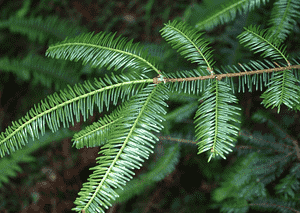
The optimal period for relocating grand Fir is at the onset of fresh development, usually in mid-spring. This timing enables the specimen to flourish in its new environment. Select a site with good drainage and abundant sunlight, and carefully disentangle the root mass prior to transplantation, if necessary. Enjoy your cultivation!
Preparations Required Before Relocating Grand Fir
Optimal Period for Grand Fir Relocation?
Moving grand Fir is best undertaken in mid-spring. This timing allows it to establish itself in its new spot under favorable weather conditions. The benefits include accelerated growth, enabling the perennial to flourish consistently.
Required Spacing Between Grand Fir Plants?
To provide grand Fir ample room for development, ensure a spacing of approximately 10-12 feet (3-3.7 meters) during transplantation. This promotes healthy growth and prevents overcrowding.
Ideal Soil Mixture for Grand Fir Transplanting?
For optimal outcomes, plant grand Fir in well-drained, acidic soil with a pH between 5.5-6.5. Incorporate a slow-release granular 10-10-10 base fertilizer into the soil prior to planting to supply essential nutrients.
Where to Replant Your Grand Fir?
When choosing a site for your grand Fir, select an area that receives full sun to partial shade, ensuring at least 4-6 hours of direct sunlight daily. This will foster robust growth and help your plant thrive!
Equipment to Prepare Before Transplanting Grand Fir?
Gardening Gloves
To safeguard your hands while handling soil and grand Fir.
Shovel
Necessary for excavating the new planting site and loosening the soil around the grand Fir at its original location.
Spade
To carefully extract the grand Fir from its initial position without harming its root ball.
Garden Trowel
For refining the new hole and backfilling it after the transplant.
Wheelbarrow
Excellent for moving the grand Fir from its old spot to the new one, minimizing root disturbance.
Mulch
Post-planting, this aids in moisture retention and temperature regulation in the soil surrounding grand Fir.
Watering Can or Hose
To ensure grand Fir receives sufficient water before, during, and after the transplanting process.
How to Extract Grand Fir from the Soil?
How to Extract Grand Fir from the Soil?
From Ground: Begin by watering grand Fir to moisten the soil, facilitating digging and reducing root damage. Next, use a shovel to dig deeply around grand Fir, matching the root ball's dimensions. Start wide and gradually deepen to avoid harming the root system. Once outlined, carefully slide the spade beneath the root ball and gently lift. If grand Fir resists, dig deeper until it moves freely.From Pot: First, water grand Fir in its pot, which helps keep the root ball intact. Invert the pot and gently tap it to help release the plant. If grand Fir doesn't come out easily, slide a knife between the pot's interior and the soil to loosen it.From Seedling Tray: grand Fir can typically be removed easily from seedling trays, especially if the soil is damp. Handle the plant by its leaves, carefully guiding the roots out of their compartment.
Step-by-Step Guide for Grand Fir Transplanting
Preparation
Before starting, ensure all necessary tools are readily available. Begin by watering grand Fir in its current location. This makes safe removal easier.
Digging
Excavate a hole at the new site using the shovel. The hole should be twice as wide and the same depth as grand Fir's root ball.
Transplanting
After successfully removing grand Fir from its original spot, place the plant into the prepared hole. Ensure the top of the root ball is level with the surrounding ground.
Backfilling
Use the garden trowel to refill the hole. Confirm good contact between roots and soil, avoiding air pockets. Gently compact the soil with your hands.
Watering
Thoroughly water the plant after transplanting to settle the soil around the roots and aid in its establishment at the new location.
Mulching
Finally, apply a 2-3 inch layer of mulch around grand Fir (keeping it away from the trunk) to help maintain soil moisture and regulate temperature.
Post-Transplant Care for Grand Fir
Monitoring
After transplanting grand Fir, closely observe its condition. Any notable changes, such as yellowing or wilting leaves, may signal distress.
Pruning
For instance, remove any damaged or diseased branches to enhance grand Fir's overall health and reduce energy expenditure on unproductive or harmful parts.
Pest and Disease Control
Regularly inspect grand Fir for indications of pests or diseases, and address them promptly to prevent further harm.
Watering
Following the initial thorough watering post-transplant, continue to irrigate grand Fir regularly, ensuring the soil remains consistently moist but not waterlogged.
Resolving Common Grand Fir Transplantation Issues.
When is the optimal time to transplant grand Fir?
The best period to move grand Fir is during mid-spring. This allows the plant to root and establish properly before the summer season.
What is the recommended spacing for grand Fir?
For proper growth and development of grand Fir, maintain a distance of approximately 10 to 12 feet (3 to 3.7 meters) between each plant.
How to prepare the soil for grand Fir transplanting?
Before transplanting, prepare the soil by turning it over and incorporating a generous amount of compost. Ensure the pH level aligns with grand Fir's preference.
How deep should grand Fir be planted after transplanting?
Grand Fir should be planted at the same depth as it was in its original location. Ensure the root ball is level with or slightly below the ground surface.
Is support necessary for grand Fir after transplanting?
Yes, initial staking might be required, especially for taller plants. Secure it gently to avoid impeding its natural movement and growth.
Are there specific watering requirements for grand Fir after transplanting?
After transplanting, grand Fir needs ample water to help establish its roots. Remember to water deeply rather than frequently to encourage profound root growth.
When is it safe to begin fertilizing grand Fir after transplanting?
It's advisable to wait until grand Fir exhibits new growth before starting to fertilize. This allows the transplant to effectively establish new roots.
Is regular pruning necessary after transplanting grand Fir?
Yes, grand Fir benefits from consistent pruning. Immediately remove any broken or diseased branches, and perform annual trimming to maintain its size and shape.
How can I ensure grand Fir survives harsh weather conditions post-transplant?
If extreme weather is anticipated, cover grand Fir's root area with mulch for protection. Avoid heavy watering immediately before a freeze.
What action should I take if grand Fir appears unhealthy after transplanting?
If grand Fir shows signs of stress like yellowing foliage or drooping, examine its watering schedule, sun exposure, and soil conditions. Adjust as needed.



