How to Transplant Subalpine fir?
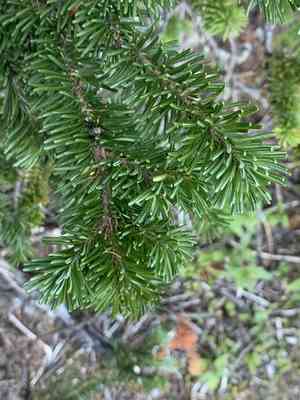
For subalpine fir, the initiation of new development occurs during the mild spring period, providing optimal conditions for root establishment. Select cooler, adequately drained sites, steering clear of harsh environmental conditions. Careful attention after transplanting guarantees successful adaptation.
What Preparations are Needed Before Transplanting Subalpine Fir?
What is the Ideal Time for Transplanting Subalpine Fir?
The prime period for moving subalpine fir is the spring season, when the earth begins to thrive. Root establishment at this time leads to vigorous summer growth. This timing gives subalpine fir a head start, allowing it to settle in mild temperatures with sufficient rainfall, reducing transplant stress and fostering strong, healthy development. Ensure your subalpine fir has the best chance by transplanting during this revitalizing time of year, when natural conditions are most favorable.
How Much Space Should You Leave Between Subalpine Fir Plants?
When positioning your new subalpine fir plants, aim for a separation of approximately 15-20 feet (4.5-6 meters). This provides ample room for them to grow and flourish without competition.
What is the Best Soil Mix for Subalpine Fir Transplanting?
Subalpine fir thrives in soil that drains well and is slightly acidic. Prepare your planting area with a blend of peat moss and garden soil, incorporating a granular all-purpose fertilizer for an excellent foundational mix.
Where Should You Relocate Your Subalpine Fir?
Regarding the optimal spot, subalpine fir favors a location with full sun to partial shade. Ensure your chosen site receives ample sunlight but also some shade for the best growth.
What Equipments Should You Prepare Before Transplantation Subalpine Fir?
Gardening Gloves
Protective handwear to safeguard your hands while handling plants and soil.
Shovel or Spade
Required for excavating the ground and creating a cavity for the plant in its new spot.
Pruning Shears
Utilize these for trimming the plant's roots if necessary.
Watering Can
Essential for hydrating the plant both before and after relocation.
Wheelbarrow
For moving the subalpine fir plant from its original position to its new one.
Mulch
Offers insulation to the recently transplanted subalpine fir plant.
Garden Trowel
A convenient implement for minor digging and relocating small plants.
How Do You Remove Subalpine Fir from the Soil?
How Do You Remove Subalpine Fir from the Soil?
From Ground: Start by thoroughly watering the subalpine fir plant, which will aid in loosening the roots. Next, dig around the plant using a spade or shovel, ensuring a wide perimeter to avoid damaging the root system. Gently work the spade beneath the roots, and lift. If the plant is too large, you might need to trim some of the longest roots with pruning shears.From Pot: Water the potted subalpine fir plant well to help loosen the soil. Invert the pot and gently tap the base to ease the plant and its root ball out. You may need to slide a trowel along the inner edge of the pot if the plant is resistant.From Seedling Tray: Saturate the tray thoroughly and carefully separate one seedling at a time, taking extreme caution not to harm delicate roots.
Step-by-Step Guide for Transplanting Subalpine Fir
Plant Selection
Choose a robust and healthy subalpine fir for transplanting to increase its chances of survival.
Dig a Hole
The excavation should be sufficiently deep and wide to comfortably accommodate the root ball of your subalpine fir.
Place the Plant
Position the subalpine fir in the hole, ensuring the top of the root ball is level with the soil surface. If it's too deep, the plant may rot; if too shallow, it could dry out.
Backfill the Hole
Carefully refill the hole with the excavated soil, gently firming it around the base of the subalpine fir.
Watering
Thoroughly water the plant immediately after planting. Water helps to settle the soil around the roots and reduce transplant shock.
Mulching
Apply mulch around the base of the plant to help retain soil moisture and provide insulation.
How Do You Care For Subalpine Fir After Transplanting?
Watering
Water the subalpine fir consistently but avoid over-saturation. The soil should remain moist but not soggy, especially during dry periods.
Trimming
Prune the subalpine fir regularly to maintain its form and remove any dead or diseased branches. This allows the plant to direct its energy towards new growth.
Pest and Disease Watch
Monitor the subalpine fir for any indications of pests or diseases. Early detection will ensure the plant's well-being.
Winter Care
As subalpine fir is a subalpine species, it can withstand cold weather, but if winter is severe, consider wrapping it with a burlap screen for additional protection.
Troubleshooting Common Issues with Subalpine Fir Transplantation.
When is the best time to transplant subalpine fir?
The ideal period to transplant subalpine fir typically falls during S1-S3. This timeframe offers optimal conditions for growth.
How far apart should I plant subalpine fir?
For optimal growth, maintain a distance of approximately 15-20 feet (4.5-6 meters) between each subalpine fir. This provides each plant ample room to fully develop.
What should I do if the transplanted subalpine fir shows signs of wilting?
First, ensure subalpine fir is adequately hydrated without being waterlogged. If the issue persists, evaluate the soil quality or check for pests. Consider consulting a local nursery or arborist.
Should subalpine fir be transplanted directly into the ground or in a pot first?
Subalpine fir generally thrives when transplanted directly into the ground. This mimics their natural growing environment and allows them to establish a robust root system.
How should I prepare the ground before planting subalpine fir?
The area should be cleared of weeds and other vegetation. Incorporate compost or aged manure to enhance nutrient content. Ensure the hole is twice as wide and the same depth as the root ball of subalpine fir.
Why are the leaves of my transplanted subalpine fir turning brown?
Browning leaves can stem from various factors such as insufficient water, excessive sun exposure, or transplant shock. Typically, adequate hydration and time for acclimation should help subalpine fir recover.
Can I transplant subalpine fir in any kind of soil?
Subalpine fir prefers well-drained soil that is slightly acidic. For best results, test your soil's pH levels and amend it, if necessary, before planting.
Is there a specific method to watering subalpine fir after transplanting?
Water subalpine fir thoroughly after transplanting, ensuring the water reaches the root zone. Afterward, water regularly but allow the soil to dry out slightly between waterings.
How much sunlight does a transplanted subalpine fir need?
Subalpine fir prefers full to partial sunlight. However, it can tolerate shade, but this might impact its overall growth and development.
What should I do if I notice pests on my transplanted subalpine fir?
If you observe pests, treat subalpine fir with an appropriate organic pesticide or biological control. Remember to adhere to the recommended application instructions for optimal outcomes.



