How to Transplant Caucasian fir?
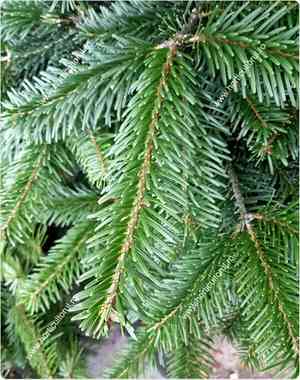
For caucasian fir, the ideal period unfolds as the mild warmth of early to mid-summer settles. This is the prime opportunity to foster new root development in sun-kissed, adequately drained locations. Enhance the process by providing generous room for expansionâa valuable tip to remember!
Essential Preparations Before Relocating Caucasian Fir?
Optimal Timing for Caucasian Fir Relocation?
The beginning of mid-summer, typically late June to July, marks the perfect window to move caucasian fir. Transplanting during these months allows it to adapt during its peak growth phase, fostering a strong root system before winter. The warm ground and extended daylight hours promote development, ensuring caucasian fir flourishes post-transplant. Choosing this season guarantees a smooth transition, maximizing the plant's vitality and growth potential. Furthermore, relocating caucasian fir as summer reaches its peak isn't just about practical timingâit's a period bursting with life, setting the stage for your caucasian fir to thrive in its new spot.
Recommended Spacing Between Caucasian Fir Plants?
For your caucasian fir, provide ample room for growth by positioning them approximately 20-30 feet (6-9 meters) apart. This spacing ensures they have sufficient area to develop freely without competing for nutrients and water.
Ideal Soil Blend for Caucasian Fir Transplanting?
Your caucasian fir will flourish best in well-drained, loamy soil. Enhance it with a base fertilizer rich in nitrogen, phosphorus, and potassium for vigorous growth. Be sure to prepare it before planting for optimal outcomes.
Where to Position Your Caucasian Fir?
Place your caucasian fir in a location that receives full sun, yet offers protection from intense afternoon sunlight. This helps the plant grow healthier and more robust.
Equipment Needed Before Transplanting Caucasian Fir?
Gardening Gloves
To safeguard your hands during the transplanting process and prevent direct contact with soil.
Shovel or Spade
To assist in digging the hole for transplanting and carefully removing the plant from its original spot, without harming the root ball.
Wheelbarrow or Plant Carrier
To move the caucasian fir from its current location to the new transplant site.
Mulch
To aid in retaining soil moisture after transplanting.
Watering Can or Hose
For hydrating the plant both before removal and following the transplanting procedure.
How to Extract Caucasian Fir from the Soil?
How to Extract Caucasian Fir from the Soil?
From Ground: First, moderately water the caucasian fir a day prior to transplanting to soften the soil. Then, use a spade or shovel to dig a wide and deep circle around the plant, ensuring the root ball remains intact. Aim to dig as deeply as possible to encompass the entire root system. Once this is done, carefully lift the plant from the ground, keeping the soil around the roots undisturbed.From Pot: Thoroughly water the caucasian fir a few hours before transplanting. Tilt the pot sideways, tap on the sides and bottom to loosen the soil and plant. Then, gently pull out the plant, retaining as much soil attached to the roots as possible. If the plant is firmly rooted inside the pot, it may be helpful to use a knife to carefully loosen the edges without damaging the roots.From Seedling Tray: Ensure the caucasian fir seedlings have matured enough for transplanting (typically when they possess at least 2 sets of true leaves). Use a spoon or a small tool to gently lift the seedlings, taking care not to harm their delicate root systems.
Step-by-Step Guide for Transplanting Caucasian Fir
Preparation
Water the caucasian fir thoroughly before you plan to excavate it. Prepare the new site by digging a hole that is twice the width and the same depth as the root ball.
Transplantation
Carefully position the caucasian fir in the middle of the hole. Backfill the hole with the excavated soil, pressing down firmly to ensure no air pockets remain.
Final Touch
Once transplanted, water the caucasian fir generously. Spread a 2 to 4-inch layer of mulch around the base of the tree, but not touching the trunk, to conserve water and reduce weed competition.
Post-Transplant Care for Caucasian Fir?
Watering
Keep the soil around the caucasian fir adequately moist, but not waterlogged, for the initial few weeks to help the plant recover from transplant shock.
Pruning
Avoid any significant pruning immediately after transplant. Limit it to removing only damaged or diseased branches, if present.
Monitoring
Closely observe the caucasian fir for any indications of transplant shock, such as drooping leaves and a lack of new growth. If noticed, ensure the plant is well-hydrated and shielded from extreme sun and wind.
Protection
Consider installing a tree guard to protect the newly transplanted tree from pests and other potential harm.
Addressing Common Issues with Caucasian Fir Transplantation.
When is the best time to transplant caucasian fir?
Mid to late spring (S4-S5) is the optimal period to transplant caucasian fir as the weather conditions are ideal for root establishment and growth.
What is the ideal spacing between caucasian fir when transplanting?
Ensure to space caucasian fir approximately 20-30 feet (6-9 meters) apart. This allows ample room for growth and good air circulation.
How deep should the hole be when transplanting caucasian fir?
Prepare a hole that is twice the width and the same depth as the root ball. This provides the roots sufficient space to spread and establish.
What is the best soil type for transplanting caucasian fir?
Caucasian fir thrives in well-draining, fertile soil. It also prefers slightly acidic to neutral pH levels. Amend soil with organic matter to improve its structure if necessary.
Should I water caucasian fir immediately after transplanting?
Yes, it is crucial to water caucasian fir thoroughly after transplanting. This helps to settle the soil, eliminate air pockets, and ensure the roots have immediate access to moisture.
What if the leaves of caucasian fir turn brown after transplanting?
Brown leaves on caucasian fir after transplanting could indicate transplant shock. A consistent watering schedule and pruning dead parts can generally help the tree recover.
How to protect the newly transplanted caucasian fir from extreme weather?
If forecasts predict extreme weather, you can protect caucasian fir by creating a windbreak or temporarily covering it with a frost blanket. Remove the cover once conditions improve.
Do I need to apply fertilizer immediately after transplanting caucasian fir?
Avoid fertilizing caucasian fir immediately after transplanting as this could cause root burn. Instead, wait for a few weeks or even several months until the plant is well-settled.
How to handle roots when transplanting caucasian fir?
Handle the roots of caucasian fir with care during transplant. Any damage can stress the plant and hinder its ability to establish quickly in the new location.
Should I prune caucasian fir after transplanting?
Avoid heavy pruning right after transplanting caucasian fir as this could cause additional stress. You may, however, trim dead or diseased branches to maintain plant health.



