How to Transplant Virginia threeseed mercury?
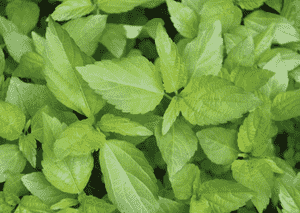
The optimal period for transplanting virginia threeseed mercury is in early spring, as environmental conditions and ground composition favor root development. Select a location that receives full sun to partial shade and possesses soil with good drainage. Exercise caution during the process to protect fragile root systems.
What Preparations are Needed Before Transplanting Virginia Threeseed Mercury?
What is the Ideal Time for Transplanting Virginia Threeseed Mercury?
The optimal period for relocating virginia threeseed mercury is the spring season, a time when mild temperatures and increased daylight encourage vigorous development. Moving virginia threeseed mercury during this window facilitates quick root establishment and adaptation, essential for a thriving growth cycle. This favorable period also ensures the plant has ample time to stabilize before the summer heat. With its pleasant climate, spring guarantees virginia threeseed mercury the best start in its new location, with natureâs full support for a lush, vibrant display.
How Much Space Should You Leave Between Virginia Threeseed Mercury Plants?
When getting ready to transplant your virginia threeseed mercury plants, position each one approximately 1 to 2 feet (30 to 60 cm) apart. This provides ample room for growth without overcrowding. An estimation is perfectly fine!
What is the Best Soil Mix for Virginia Threeseed Mercury Transplanting?
Your virginia threeseed mercury will flourish best in soil that drains well! Before planting, enrich your soil with a foundational fertilizer. This will nourish your virginia threeseed mercury and aid its establishment in its new spot.
Where Should You Relocate Your Virginia Threeseed Mercury?
Regarding placement, your virginia threeseed mercury enjoys ample sunlight. Select a location where it will receive full sun to partial shade. This will keep your virginia threeseed mercury content and ensure optimal development.
What Equipments Should You Prepare Before Transplantation Virginia Threeseed Mercury?
Gardening Gloves
To prevent potential skin irritation from handling virginia threeseed mercury and to offer protection while working with soil and tools.
Shovel or Trowel
Required for excavating the plant and preparing the new hole at the transplant site.
Watering Can
For hydrating the plant both before and after the transplanting procedure.
Organic Mulch
Helps maintain soil moisture and regulates soil temperature post-transplant.
Wheelbarrow or Garden Cart
Useful for moving the plant from its original position to the new spot.
How Do You Remove Virginia Threeseed Mercury from the Soil?
How Do You Remove Virginia Threeseed Mercury from the Soil?
From Ground: First, thoroughly water the virginia threeseed mercury plant, which will help alleviate transplant stress and keep the roots hydrated. Then, carefully dig a wide circle around the plant using a shovel or trowel, ensuring the root ball remains intact. Gently work the shovel beneath the root ball and lift the plant from the ground. Be cautious not to harm the roots during removal.From Pot: Water the virginia threeseed mercury plant thoroughly. With one hand at the plant's base and the other holding the pot, gently pull while rotating the pot to loosen it. You can tap the pot's rim to help dislodge the plant. Support the plant at its base and the root ball as you extract it.From Seedling Tray: Ensure the seedling is well-hydrated before transplanting. Gently loosen the soil around the base of the virginia threeseed mercury. Use a seeding spoon or similar tool to scoop under the root ball, taking care to minimize root damage. Hold it by the leaf, not the stem, as you lift it.
Step-by-Step Guide for Transplanting Virginia Threeseed Mercury
Preparation
Ensure the new site for your virginia threeseed mercury plant is ready before you begin the removal process. The ground should be cleared of any debris, and a hole should already be excavated. The hole should be at least twice as wide and the same depth as the root ball of the virginia threeseed mercury.
Transplanting
Position the virginia threeseed mercury plant in the prepared hole. The top of the root ball should be level with the surrounding soil. Backfill around the root ball with the excavated soil. Gently firm down the soil around the plant to ensure it is stable and securely in place.
Watering
Water the virginia threeseed mercury immediately after transplanting. This will help the plant settle into its new home and also ensure it receives adequate hydration following the transplanting process.
Mulching
Apply a layer of organic mulch around the plant's base. This will help maintain soil moisture and regulate the temperature, especially during the initial weeks after transplanting.
How Do You Care For Virginia Threeseed Mercury After Transplanting?
Pruning
If the virginia threeseed mercury plant appears stressed after the transplant, consider lightly trimming it back. This reduces its need for water and nutrients, allowing it to adapt more easily to its new location.
Monitoring
Keep a close watch on the virginia threeseed mercury plant, particularly in the first few weeks. Look for any signs of transplant shock, such as wilting, yellowing, or dropped leaves. If you observe such symptoms, reduce sunlight exposure and water more frequently.
Pest Control
After transplanting, inspect the virginia threeseed mercury plant for pests or diseases. Consider using organic pest controls if necessary to ensure the plant's health.
Troubleshooting Common Issues with Virginia Threeseed Mercury Transplantation.
What's the best period to transplant virginia threeseed mercury?
The optimal time to transplant virginia threeseed mercury is during the first to third season. This is when virginia threeseed mercury thrives most effectively.
How much space should I leave between my virginia threeseed mercury plants?
When planting virginia threeseed mercury, ensure to provide each plant a generous 1-2 feet (30-60 cm) of space. This encourages optimal growth and health.
Does virginia threeseed mercury require any special soil conditions for successful transplantation?
Virginia threeseed mercury is quite adaptable, but it prefers moist, well-draining soil. Make sure you prepare the transplanting site accordingly.
What should I do if my transplanted virginia threeseed mercury isn't thriving?
First, check the soil and water conditions. Virginia threeseed mercury dislikes overly dry or waterlogged soil. It might need a bit more or less watering. If that doesn't help, consider a balanced slow-release fertilizer.
How deep should I plant virginia threeseed mercury when transplanting?
Aim to keep the transplant depth roughly the same as its original growing conditions. Virginia threeseed mercury does not prefer to be buried too deeply.
What kind of sunlight does virginia threeseed mercury need post-transplant?
Virginia threeseed mercury prefers full sun to partial shade. Following transplantation, be sure to place it in a well-lit location but avoid harsh, direct sunlight which could cause it to wilt.
What should I do to minimize shock to virginia threeseed mercury during transplantation?
Reduce transplant shock by watering thoroughly after transplanting, initially avoiding full sun or strong winds, and maintaining moist soil until virginia threeseed mercury establishes.
If I notice yellow leaves on my transplanted virginia threeseed mercury, what could be the issue?
Yellow leaves might indicate water stress. Ensure virginia threeseed mercury is neither over- nor under-watered. If the problem persists, check for pests or disease.
Should I prune virginia threeseed mercury after transplantation?
Pruning is not necessary immediately after transplanting. However, later on, you can prune virginia threeseed mercury to maintain its shape and encourage bushier growth.
How should I water virginia threeseed mercury following transplantation?
For the initial one to two weeks after transplantation, keep the soil of virginia threeseed mercury consistently moist. Afterward, you can reduce watering, but avoid letting the soil completely dry out.



