How to Transplant Copperleaf?
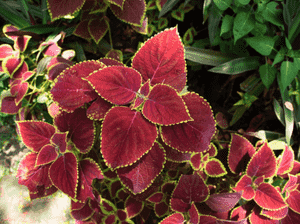
The ideal period for relocating copperleaf is from mid-spring to late spring, since elevated soil temperatures foster robust root development. Select a site with full sun to partial shade, making sure the soil drains effectively. Carefully untangle the roots before planting to facilitate the best possible establishment.
Essential Preparations Before Relocating Copperleaf
Optimal Period for Copperleaf Relocation?
The best time to move your copperleaf is from mid-spring to early summer. This timeframe encourages vigorous development due to consistent sun exposure and warming soil. Transplanting at this prime moment helps your copperleaf establish a strong root system and vibrant foliage.
Recommended Spacing Between Copperleaf Specimens?
When moving copperleaf, ensure adequate growth room by maintaining a 12-18 inch (30-45 cm) separation in your garden. This guarantees ample space for foliage expansion and promotes good air circulation.
Ideal Soil Blend for Copperleaf Transplanting?
For peak growth, copperleaf prefers well-draining soil rich in organic matter. Begin by incorporating compost or other organic material into your soil and apply a balanced slow-release granular fertilizer for a solid nutrient foundation.
Optimal Site for Your Copperleaf's New Home?
Select a spot where copperleaf will receive at least 6 hours of daily sunlight for best development. While they can tolerate some shade, sufficient light is crucial for their vivid foliage colors and overall healthy appearance.
Tools Required for Copperleaf Transplantation
Gardening Gloves
To protect your hands from dirt and abrasions during the relocation process.
Shovel or Spade
For excavating holes and extracting the plant from its original spot. Choose a size suitable for the copperleaf's dimensions.
Gardening Fork
Useful for loosening the soil and the copperleaf's root structure.
Hand Trowel
For creating appropriately sized holes in the ground for the copperleaf's transfer.
Watering Can
For hydrating the plant before and after its move, and to maintain soil moisture in subsequent days.
Scissors
May be necessary for trimming overly long or tangled roots of your copperleaf plant.
Gardening Knife
Helpful for separating roots from the soil without causing damage.
Method for Extracting Copperleaf from the Ground
How to Remove Copperleaf from its Current Location?
From Ground: Start by watering the copperleaf plant to moisten the soil. Next, use your shovel or spade to dig a wide circle around the plant, being careful to keep the root ball intact. Gently lift the plant from its original position, aiming to minimize root damage.From Pot: Water the copperleaf plant to dampen the soil. Tilt the pot sideways and apply gentle pressure until the plant slides out. Be especially careful not to harm the roots. Gently shake off any excess soil clinging to the plant's roots.From Seedling Tray: Water the copperleaf seedlings, then slowly push each seedling upwards from the tray's bottom. Exercise extreme caution as seedlings are typically very delicate, and you want to avoid disturbing the roots.
Detailed Steps for Transplanting Copperleaf
Preparation
First, prepare the new site by digging a hole with your shovel or hand trowel. The hole should be wide and deep enough to accommodate the copperleaf plant's roots comfortably.
Placement
Position the copperleaf plant in the hole, ensuring the top of the root ball is level with the soil surface. Gently spread the roots if they are compacted or twisted.
Backfill the Hole
Refill the hole with the same soil removed during excavation, gently firming it around the plant.
Watering
Thoroughly water the copperleaf plant. This helps the soil settle around the roots and eliminates any air pockets. Ensure the soil remains consistently moist, but not waterlogged.
Mulching
Apply mulch around the plant's base to retain moisture and suppress weed growth.
Post-Transplant Care for Copperleaf
Monitoring
Inspect the copperleaf plant daily for the initial few weeks. Look for any indications of transplant shock, such as wilting or yellowing leaves. If observed, reduce sun exposure and check soil moisture levels.
Watering
The recently transplanted copperleaf will require consistent watering. Keep the soil around the plant uniformly moist, but avoid saturation. Excessive water can lead to root rot.
Pruning
Remove any dead or damaged leaves to allow the copperleaf plant to prioritize new growth. Pruning also helps maintain a desirable shape as your plant matures.
Protection
Shield the copperleaf plant from strong winds and harsh weather for a period after transplanting, as it is in a vulnerable state. A protective cover can be used if necessary.
Resolving Common Copperleaf Transplantation Issues
When is the best time to transplant copperleaf?
The ideal period to move copperleaf is during mid-spring to late spring. This allows the plant to establish roots and adapt before the summer heat.
What's the suggested spacing for copperleaf?
Provide copperleaf with ample room, approximately 12-18 inches (30-46 cm), to facilitate optimal growth and development.
How deep should I plant the copperleaf during transplant?
Plant your copperleaf at the same depth it was growing in its previous location. This prevents stem rot from planting too deeply.
How much sunlight is required after transplant?
Copperleaf thrives with a good amount of daily sunlight. Aim for at least 6 hours, as insufficient light can hinder its growth.
Do I need to water copperleaf immediately after transplant?
Absolutely! Watering copperleaf after transplanting is crucial. It helps settle the soil and eases the shock of changing environments.
What soil type is suitable for the copperleaf transplantation?
Copperleaf grows best in well-drained yet moist soil. You can enrich the transplanting site's fertility by adding some compost.
Is fertilization necessary after transplanting copperleaf?
Refrain from fertilizing immediately after transplanting copperleaf. Wait about 4-6 weeks for the plant to adjust. Then, begin a regular feeding schedule.
How to handle copperleaf during transplanting?
Handle copperleaf gently during transplanting. Be careful not to break the stem or excessively disturb the roots during the process.
Are there any signs of successful transplantation in copperleaf?
Yes. If copperleaf produces new growth and its leaves are vibrant, it indicates a successful transplantation.
Can copperleaf survive if I mess up the transplantation?
Yes, copperleaf is a resilient plant, capable of recovering from transplantation errors. Simply correct the issue and provide proper care.



