How to Transplant Bear's breech?
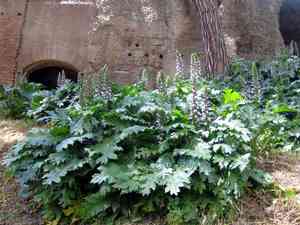
Relocate Acanthus mollis in the period spanning early to mid-spring, or from late autumn through late winter, to achieve peak development. Select a site featuring soil that drains effectively and offers partial shade. During the relocation process, verify the presence of robust root structures. Bear in mind that appropriate timing for transplanting is crucial for this attractive specimen!
What Preparations are Needed Before Transplanting Bear's Breech?
What is the Ideal Time for Transplanting Bear's Breech?
The optimal time to move bear's breech is from early spring to mid-spring or from late autumn to late winter. This timeframe allows bear's breech to establish strong roots and develop into a healthier specimen. Proper timing is crucial to minimize transplant shock.
How Much Space Should You Leave Between Bear's Breech Plants?
For bear's breech, it's advisable to provide ample room for growth. Ideally, position them 24-36 inches (60-90 cm) apart when relocating. This spacing promotes vigorous growth and prevents competition for resources!
What is the Best Soil Mix for Bear's Breech Transplanting?
When preparing the soil for bear's breech, ensure it drains well and is rich in organic material. You can incorporate compost or aged manure as a foundational fertilizer for an optimal environment. Bear's breech is not overly particular and will thrive in various soil types!
Where Should You Relocate Your Bear's Breech?
To help bear's breech flourish, select a spot that receives abundant sunlight – at least 6 hours daily. They can even tolerate some partial shade! This sun exposure will aid in their robust growth and the production of beautiful flowers for your enjoyment.
What Equipments Should You Prepare Before Transplantation Bear's Breech?
Gardening Gloves
To safeguard your hands while handling soil and plants.
Shovel or Spade
For excavating holes and extracting the plant from its original spot.
Hand Trowel
For scooping earth and assisting with precise planting.
Watering Can or Hose
To hydrate the soil and the plant before and after relocation.
Tape Measure or Ruler
To guarantee adequate spacing between individual plants.
How Do You Remove Bear's Breech from the Soil?
How Do You Remove Bear's Breech from the Soil?
From Ground: First, moisten the bear's breech plant to soften the soil. Next, dig a wide trench around the plant using a shovel or spade, ensuring the plant's root ball remains intact. Carefully work the spade beneath the root ball to lift the plant from its initial position.From Pot: Begin by watering the bear's breech plant in its container, then gently invert it while supporting the plant's base. Lightly tap the sides and bottom of the pot, allowing the plant and soil to slide out as a single unit.From Seedling Tray: Fill the tray cells with water to help loosen the soil. Then, use a pencil or spoon handle to carefully lift the bear's breech plant by pushing the soil and roots upwards instead of pulling them out.
Step-by-Step Guide for Transplanting Bear's Breech
Space Measurement
Verify the recommended spacing for bear's breech plants (typically 24 to 36 inches apart) and mark out the planting area accordingly.
Digging Holes
Use the shovel or spade to create holes approximately twice the diameter of the bear's breech plant's root ball and as deep as the original soil line.
Preparing the Hole
Form small mounds at the base of the holes and score the soil around the edges to encourage root expansion.
Plant Placement
Gently position the bear's breech plant in the hole, ensuring the root ball is level with the surrounding soil or slightly elevated.
Backfilling
Refill the hole with amended soil, using your hands to lightly compact it around the root ball to eliminate air pockets.
Watering
Thoroughly irrigate the newly planted bear's breech using a watering can or the gentle spray setting on a hose nozzle.
Mulching (optional)
Apply a layer of organic mulch around the base of the bear's breech plant, leaving a small gap around the stem to prevent rot.
How Do You Care For Bear's Breech After Transplanting?
Monitoring
Observe the bear's breech plant for any indications of stress, such as wilting or yellowing foliage.
Watering Needs
Maintain consistent soil moisture, but avoid saturation, for the initial few weeks post-transplant to facilitate strong root development. Gradually decrease watering frequency as the bear's breech plant establishes itself.
Pruning
After the first year, lightly trim any weak or dead stems to promote new growth. For perennial varieties, cut back to ground level once the foliage dies back in winter.
Pest and Disease Control
Keep an eye out for pests like snails and aphids. If necessary, employ organic or chemical controls as appropriate, strictly following product instructions.
Troubleshooting Common Issues with Bear's Breech Transplantation.
When is the best time to transplant bear's breech?
The ideal period to move bear's breech is either during the mild conditions of early to mid-spring or throughout the cooler months of late fall to late winter.
What space requirements does bear's breech have for successful transplanting?
To allow bear's breech ample room to thrive, plant them 24-36 inches (60-90 cm) apart. This also improves air circulation and helps prevent disease spread.
What depth should bear's breech be planted after transplantation?
Transplant bear's breech at the same depth it was in its original container. This prevents stem rot and promotes healthy development.
What type of soil does bear's breech prefer?
For the highest chance of a successful transplant, bear's breech requires well-draining soil and performs particularly well in chalky, loamy soil types.
What should I do if my transplanted bear's breech starts wilting?
Provide your bear's breech with attentive care—ensure it receives sufficient water, but not excessively. Check for pests or diseases, and confirm the temperature is suitable.
How do I water bear's breech after transplanting?
Ensure the roots of bear's breech are thoroughly hydrated immediately after transplantation. During the first couple of weeks, water them regularly, but prevent waterlogging.
What if the leaves of the bear's breech turn yellow after transplantation?
Yellow leaves might indicate overwatering or a nutrient deficiency. To correct this, ensure proper drainage, and consider adding a balanced fertilizer to the soil.
How do I handle bear's breech roots during transplantation?
Handle bear's breech roots gently when removing them from previous pots or the ground. Loosen them slightly before transplanting to help them establish in their new location.
How much sunlight does bear's breech require after transplantation?
Bear's breech enjoys moderate to full sun exposure. Following transplantation, place them where they can receive at least 4-6 hours of direct sunlight daily.
What happens if the transplanted bear's breech isn't growing?
Patience is essential. If after 2-3 weeks there's still no growth, check to ensure bear's breech has adequate sunlight, water, and nutrients, and that pests are under control.



