How to Transplant Faber's maple?
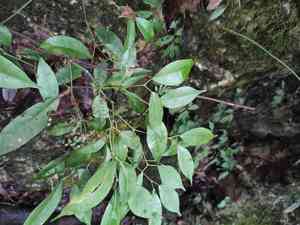
For best results, relocate faber's maple during the mild period of late spring transitioning into early summer, or from late autumn leading into early winter, to reduce shock. Select locations that are well-lit and protected, and enhance its establishment with soil that drains effectively, applying mulch gently once it's situated.
Essential Preparations Before Relocating Faber's Maple
Optimal Timing for Faber's Maple Relocation
The best time to move faber's maple is from the vibrant peak of late spring through the warm height of mid-summer, or during the calm period from late autumn to the heart of winter. This schedule allows faber's maple to settle in comfortably and establish roots before harsh temperatures arrive. During these seasons, mild weather supports root development without the added stress of intense heat or severe cold. Transplanting faber's maple within these windows ensures a smooth transition, promoting strong growth and a lush appearance in subsequent seasons.
Required Spacing Between Faber's Maple Plants
Hello, gardener! Before placing your lovely faber's maple in its new spot, ensure you provide ample space, allowing each plant about 12-24 feet (3.7-7.3 meters) between them. This clearance will enable them to spread their branches and thrive!
Best Soil Mixture for Faber's Maple Transplanting
Your faber's maple prefers a comfortable location with well-draining soil. Before the move, incorporate some leaf mold or compost to enrich the soil. A small amount of balanced, slow-release fertilizer will greatly assist a healthy beginning!
Ideal Location for Your Faber's Maple Relocation
These leafy companions happily absorb sunlight but don't mind some shade. Choose a spot where your faber's maple can enjoy full to partial sun throughout the day. A balanced environment will keep them vibrant and growing robustly!
Equipment Needed Before Transplanting Faber's Maple
Gardening Gloves
To safeguard your hands while handling soil and the plant.
Shovel or Spade
For excavating around and beneath the faber's maple's root ball.
Garden Fork
To loosen the earth surrounding the plant's original site.
Hand Trowel
For detailed work and separating smaller, tangled roots.
Watering Can or Hose
To hydrate the faber's maple before and after its relocation.
Wheelbarrow or Garden Cart
To move the faber's maple from one spot to another.
Pruning Shears
To trim any damaged or broken roots and branches.
Bypass Loppers
For making larger cuts, if required.
Rooting Hormone (optional)
To encourage root development post-transplantation.
Mulch
To retain moisture and inhibit weed growth around the new planting area.
How to Extract Faber's Maple from the Soil
How to Extract Faber's Maple from the Soil?
From Ground: First, moisten the faber's maple plant to dampen the soil. Next, dig a wide trench around the plant using a shovel or spade, ensuring the plant's root ball remains intact. Carefully work the spade beneath the root ball to lift the plant from its initial position.From Pot: Begin by watering the faber's maple to facilitate root ball removal. Turn the pot on its side and gently tap to loosen the roots. Slowly and carefully pull the plant out, supporting the root ball.From Seedling Tray: Water the tray to ensure the soil is moist, which will aid removal. Use a hand trowel or spoon to scoop around each faber's maple seedling, lifting it out with the root ball and attached soil, taking extra care not to disturb the roots.
Detailed Guide for Transplanting Faber's Maple
Preparation
Gather all necessary tools listed above. Ensure everything is at hand before beginning to prevent any interruptions during the transplanting process.
Root Ball Care
Gently remove excess soil from around the faber's maple's root ball to inspect for any damaged or diseased roots. Use pruning shears to carefully trim these.
Plant Removal
Follow the appropriate removal procedure to extract your faber's maple from the ground, pot, or seedling tray with minimal root disturbance.
Hole Preparation
Dig a hole in the chosen location that is twice the width of the root ball and the same depth. Loosen the soil at the bottom of the hole with a garden fork.
Transplanting
Place your faber's maple into the center of the hole. Fill in around the root ball with soil, gently firming it down as you go to eliminate air pockets.
Watering In
Water the faber's maple thoroughly immediately after planting to settle the soil and hydrate the roots. Be careful not to overwater.
Post-Transplanting Care for Faber's Maple
Immediate Aftercare
After transplanting, shield your faber's maple from direct sunlight for a few days if possible, to reduce stress and water loss through its leaves.
Regular Watering
Maintain a consistent watering schedule, ensuring the soil stays moist but not waterlogged to support new root development.
Observation
Regularly inspect the faber's maple for any indications of stress, such as wilting or yellowing leaves, and address them promptly.
Support Structures
If the faber's maple is tall or top-heavy, consider staking it to prevent wind damage and encourage upright growth until it is well-established.
Mulching
Apply a layer of mulch around the base of your faber's maple to help conserve moisture, maintain a stable soil temperature, and reduce weed competition.
Resolving Common Issues with Faber's Maple Transplantation.
When is the best time to transplant faber's maple?
Optimal transplanting times are late spring to early summer, or from late fall into mid-winter, to encourage root establishment when the weather is mild.
How far apart should I space faber's maple saplings?
Space faber's maple saplings 12-24 feet (3.7-7.3 meters) apart to ensure enough room for growth and development.
What soil conditions favor faber's maple after transplanting?
Choose well-draining soil with a slightly acidic to neutral pH. Amend with organic matter if needed to improve soil structure.
How much should I water faber's maple after transplanting?
Water deeply after transplanting and keep the soil evenly moist, not waterlogged, until the plant is established.
Should I prune faber's maple during transplanting?
Minimal pruning to remove damaged or dead branches can be done during transplanting, but save major pruning for dormancy.
How do I prepare the root ball of faber's maple for transplanting?
Gently loosen the root ball and trim any circling roots to encourage outward growth in the new location.
Can I use mulch around faber's maple after transplanting?
Yes, mulch helps retain moisture and regulate soil temperature. Apply a 2-4 inch (5-10 cm) layer, keeping it away from the trunk.
How do I handle faber's maple's transplant shock?
Maintain consistent watering and protect faber's maple from extreme temperatures. Use root stimulators if necessary to aid recovery.
What signs indicate faber's maple is not thriving after transplant?
Yellowing leaves, wilting, or lack of new growth indicate stress. Ensure optimal care and consult an expert if conditions persist.
Can faber's maple be transplanted in hot weather?
Transplanting in extreme heat is risky. Aim for cooler days or wait until temperatures are more favorable for the plant's transition.



