How to Transplant Rocky mountain maple?
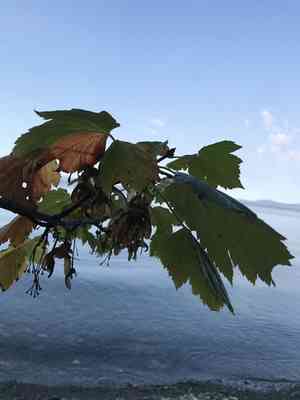
The optimal period for relocating rocky mountain maple is at the onset of nature's revitalization â from the melting of early spring through the threshold of summer. Choose a location that replicates its indigenous, adequately drained environment, and always bear in mind that careful manipulation guarantees a smooth adaptation.
What Preparations are Needed Before Transplanting Rocky Mountain Maple?
What is the Ideal Time for Transplanting Rocky Mountain Maple?
Move rocky mountain maple once the ground thaws, during the period of reawakening from dormancy â typically from late winter's end to the full bloom of spring. Placing rocky mountain maple in this lively season promotes strong root development before summer. This timing leverages natural growth signals, optimizing development as rocky mountain maple benefits from rising temperatures and longer days â a smooth integration into its growth cycle!
How Much Space Should You Leave Between Rocky Mountain Maple Plants?
Allow your rocky mountain maple ample room to flourish! Aim to plant them approximately 20-30 feet apart (6-9 meters). This spacing will prevent competition for sunlight or nutrients, providing sufficient area for each to thrive.
What is the Best Soil Mix for Rocky Mountain Maple Transplanting?
For your rocky mountain maple, a well-draining soil enriched with organic material is an excellent starting point. Before transplanting, incorporate a balanced, slow-release fertilizer to nourish your rocky mountain maple and provide a robust foundation for healthy growth.
Where Should You Relocate Your Rocky Mountain Maple?
Your rocky mountain maple thrives in sunlight! Select a location where it can receive full to partial sun. This means a spot that gets direct sunlight for at least 4-6 hours daily to support its growth and vitality.
What Equipments Should You Prepare Before Transplantation Rocky Mountain Maple?
Gardening Gloves
To safeguard your hands while handling soil and plants.
Shovel or Spade
For excavating the plant and preparing the new planting site.
Watering Can or Hose
To hydrate the rocky mountain maple before and after relocation.
Wheelbarrow or Garden Cart
To transport the rocky mountain maple and any necessary soil amendments.
Pruning Shears
To trim any damaged roots or branches prior to transplanting.
Burlap or Tarp
To wrap the root ball during transit if moving from the ground.
Rooting Hormone (optional)
To stimulate root development post-transplant.
Mulch
To help maintain soil moisture and regulate temperature after transplanting.
How Do You Remove Rocky Mountain Maple from the Soil?
How Do You Remove Rocky Mountain Maple from the Soil?
From Ground: First, moisten the soil around the rocky mountain maple to ease removal and reduce plant stress. Then, dig a wide circle around the rocky mountain maple with your shovel or spade, being careful not to harm the root system. Gently work the tool beneath the root ball and carefully lift the plant, placing it on burlap or a tarp if needed.From Pot: Water the rocky mountain maple to allow the root ball to slide out easily. Invert the pot and gently pull the rocky mountain maple out by its base. If the plant is root-bound, you might need to roll or tap the pot to loosen the roots before extraction.From Seedling Tray: Water the seedlings to ensure the soil is damp. Use a spoon or a dibber to carefully lift the rocky mountain maple seedlings from the tray, ensuring support for the root ball and avoiding contact with the delicate stem and leaves.
Step-by-Step Guide for Transplanting Rocky Mountain Maple
Preparation
Gather all required tools and ensure you have ample time to complete the transplanting process without rushing, which could harm the rocky mountain maple. Have your wheelbarrow or garden cart ready to move the rocky mountain maple if necessary. Also, consider weather conditions to avoid transplanting during extreme weather that can stress the plant, like intense heat or cold snaps. It's best to transplant on a cloudy day or in the late afternoon if possible to reduce transplant shock.
Root Pruning
Before extracting the rocky mountain maple from its current spot, trim away any dead, damaged, or excessively long roots to encourage healthy regrowth. If using a rooting hormone, apply it according to the product's instructions after pruning.
Excavating the New Site
At the new location, dig a hole twice as wide and just as deep as the rocky mountain maple's root ball. This will provide ample space for the roots to spread and establish. If from a pot or seedling tray, ensure the hole is also a few inches wider than the container the rocky mountain maple was in. Place the excavated soil nearby on a tarp or in a wheelbarrow; you'll need it to backfill the hole after the rocky mountain maple is positioned.
Planting
Place the rocky mountain maple into the hole at the same depth it was originally growingâneither deeper nor shallower. Refill the hole with the excavated soil, gently firming it around the root ball to eliminate air pockets. Water the rocky mountain maple thoroughly to settle the soil around the roots.
Mulching
After planting, apply a layer of mulch around, but not touching, the stem of the rocky mountain maple to help conserve soil moisture and regulate soil temperature.
Final Touches
Use any remaining soil to create a small water basin around the newly planted rocky mountain maple to help direct water to the root zone during irrigation. Give the rocky mountain maple another good watering immediately after the mulch is in place to aid in further settling the soil.
How Do You Care For Rocky Mountain Maple After Transplanting?
Stabilization
If the rocky mountain maple is larger or being planted in an exposed area, consider staking it for additional support. Use soft ties and stakes that are tall enough to support the plant without damaging any branches or roots. Remove the stakes after the first year once the rocky mountain maple is established.
Regular Watering
Continue to provide water so that the soil remains consistently moist, but not waterlogged, throughout the first growing season. This is vital for helping the rocky mountain maple establish in its new location.
Pruning
Remove any branches that may have been damaged during the transplant. In subsequent seasons, only light pruning is necessary to shape the plant or to remove any dead or diseased wood.
Observing
Monitor the rocky mountain maple regularly for signs of transplant shock, such as wilting leaves or a lack of new growth. If symptoms occur, adjust care accordingly and give the plant time to recover.
Troubleshooting Common Issues with Rocky Mountain Maple Transplantation.
When's the ideal time to transplant rocky mountain maple for best growth?
Transplant rocky mountain maple from early to mid-spring, ensuring the soil is workable and frost-free.
Why are my transplanted rocky mountain maple saplings wilting?
Wilt may signal water stress. Ensure you're providing consistent moisture, but avoid waterlogging the roots.
How far apart should I plant rocky mountain maple saplings?
Space rocky mountain maple at least 20-30 feet (6-9 meters) apart to allow room for growth.
What sun exposure is best when transplanting rocky mountain maple?
Rocky mountain maple thrives in full to partial sun. Choose a site that meets these requirements for robust growth.
How large should the planting hole be for rocky mountain maple?
The hole should be twice as wide and just as deep as the root ball for proper establishment.
Can I transplant rocky mountain maple during the summer?
It's best to avoid summer transplanting due to heat stress. Early to mid-spring is ideal for rocky mountain maple.
What should I do if my rocky mountain maple's leaves turn yellow after transplanting?
Yellowing may suggest nutrient deficiency or shock. Ensure proper soil nutrition and give the plant time to adjust.
How often to water rocky mountain maple after transplanting?
Water newly transplanted rocky mountain maple deeply once a week, allowing soil to partially dry between watering.
Should I fertilize rocky mountain maple right after transplanting?
Wait a few weeks before fertilizing to allow rocky mountain maple to establish. Use a balanced, slow-release fertilizer.
How to protect newly transplanted rocky mountain maple in unpredictable weather?
Use mulch to insulate roots and consider temporary shade or windbreaks for extreme conditions.



