How to Transplant Fullmoon maple?
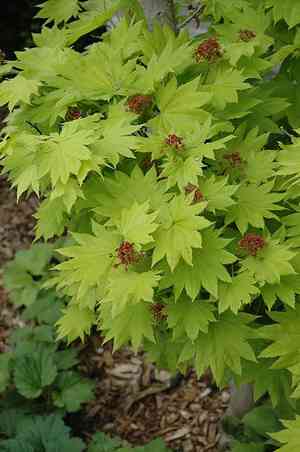
The optimal period for relocating fullmoon maple is during its dormant phaseâundertake this task when cooler temperatures have paused its growth, ensuring reduced shock and a seamless adjustment. Select a location offering filtered sunlight and verify that the ground provides adequate drainage for superior establishment.
What Preparations are Needed Before Transplanting Fullmoon Maple?
What is the Ideal Time for Transplanting Fullmoon Maple?
The optimal period for relocating fullmoon maple is during its dormant winter phase. This season allows for root establishment, boosting spring vitality.
How Much Space Should You Leave Between Fullmoon Maple Plants?
For fullmoon maple, allow ample growing space. Position your plants approximately 10 to 15 feet (3 to 4.5 meters) apart. This spacing is suitable for these beautiful perennials to flourish.
What is the Best Soil Mix for Fullmoon Maple Transplanting?
Understand your soil type - fullmoon maple thrives in well-drained soils, ideally sandy or loamy. Incorporate an all-purpose slow-release granular fertilizer for a nourishing start; it will greatly benefit this perennial's development.
Where Should You Relocate Your Fullmoon Maple?
Site fullmoon maple where it will receive partial to full sunlight, yet also have some protection during the day's hottest hours. Morning sun and afternoon shade is perfect - a healthy balance is key.
What Equipments Should You Prepare Before Transplantation Fullmoon Maple?
Shovel or Spade
For digging the planting hole and extracting the fullmoon maple from its original spot.
Gardening Gloves
To safeguard your hands while handling soil and the plant.
Measuring Tape
To ensure accurate depth and spacing when planting the fullmoon maple.
Organic Compost
To enrich the planting area and supply nutrients to the fullmoon maple.
Watering Can or Hose
To hydrate the fullmoon maple during and after its relocation.
Mulch
To aid in retaining soil moisture post-planting.
Pruning Shears
To trim any damaged roots or branches during the transplanting process.
How Do You Remove Fullmoon Maple from the Soil?
How Do You Remove Fullmoon Maple from the Soil?
From Ground: Begin by watering the fullmoon maple plant to moisten the soil. This will facilitate a smoother, less stressful removal process for the plant. Using a spade or shovel, carefully dig a wide trench around the plant, ensuring the root ball remains intact. Gently work your spade beneath the root ball and lift the plant from the ground.From Pot: If the fullmoon maple is in a pot, water it thoroughly. Turn the pot on its side, steady the plant, and tap the pot's rim against a firm surface to loosen it. Carefully slide the fullmoon maple out, supporting the plant's base.From Seedling Tray: For a fullmoon maple seedling, water the tray first. Gently lift the seedling by its leaves, to prevent damage to the stem or roots, and carefully pull it from the tray.
Step-by-Step Guide for Transplanting Fullmoon Maple
Preparation
Using your shovel, excavate a hole at your chosen planting location that is twice as wide, but the same depth as the fullmoon maple's root ball. Spread a layer of compost at the bottom of the hole for added nutrients.
Placement
Carefully lower the fullmoon maple into the hole, paying attention to its alignment. The plant should be at the same soil level as it was in its previous spot.
Backfill
Refill the hole with the excavated soil, gently firming it around the root ball to eliminate any air pockets.
Watering
Thoroughly water the fullmoon maple immediately after transplanting, ensuring the entire root zone is saturated.
Mulching
Apply a layer of mulch around the base of the fullmoon maple to help conserve moisture.
How Do You Care For Fullmoon Maple After Transplanting?
Watering
Properly water the fullmoon maple after transplanting. For the initial few weeks, keep the soil consistently moist, but not waterlogged. Both over and under-watering can be detrimental.
Pruning
Avoid extensive pruning immediately after transplanting. Limit pruning to only dead or damaged branches. More thorough pruning can be performed the following year.
Protection
Shield newly transplanted fullmoon maple from harsh weather conditions. Depending on the season, temporary shade or a windbreak may be necessary.
Observation
Monitor the fullmoon maple closely in the weeks following transplantation. Watch for any signs of stress such as wilting or yellowing leaves, which could indicate issues like disease, pests, or insufficient watering
Troubleshooting Common Issues with Fullmoon Maple Transplantation.
When is the best time to transplant the fullmoon maple?
Transplanting fullmoon maple is best done during the dormant period from late fall to early winter (S10-S12). This aids in good root establishment.
What's the recommended distance between fullmoon maple when planting?
To allow for growth, fullmoon maple should be spaced approximately 10 to 15 feet (3 to 4.5 meters) apart. This provides adequate room for their full development.
What type of soil is best for transplanting fullmoon maple?
Fullmoon maple prefers well-draining, fertile soil. It can tolerate various pH levels, but thrives best in slightly acidic to neutral conditions.
How deep should I plant fullmoon maple?
Dig a hole twice as wide and the same depth as the root ball. Position the fullmoon maple in the hole so it is level with the soil surface.
How do I ensure successful transplanting of fullmoon maple?
Water the fullmoon maple a day before moving. Dig it up with a large soil mass, preserving as many roots as possible. After placement, backfill and water thoroughly.
What are the watering requirements after transplanting fullmoon maple?
Water fullmoon maple immediately after transplanting, then regularly for the first few weeks. Ensure the soil is consistently moist but not saturated.
Should I fertilize fullmoon maple soon after transplanting?
No, wait until active growth is observed before fertilizing. Then use a slow-release, balanced fertilizer to promote healthy development.
What should I do if the transplanted fullmoon maple shows signs of stress?
Yellow leaves or wilting may indicate transplant shock. Maintain proper watering and consider a shade cloth to reduce light intensity until it recovers.
Do I need to prune fullmoon maple during transplanting?
It's not essential, though you may prune to shape or remove any dead, damaged parts. Avoid heavy pruning as it can cause unnecessary stress.
How should I prepare the fullmoon maple for transplanting?
Slightly reducing the foliage before transplanting can minimize moisture loss, but do not prune heavily. Thoroughly soak the root ball before moving the fullmoon maple.



