How to Transplant Striped maple?
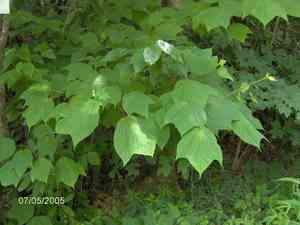
Relocate striped maple during the revitalizing period of mid-to-late spring to ensure superior root development. Select a site offering partial shade and damp, adequately draining earth. Careful manipulation is crucial to safeguard the fragile root structure throughout the transfer.
What Preparations are Needed Before Transplanting Striped Maple?
What is the Ideal Time for Transplanting Striped Maple?
The optimal period for relocating striped maple is during the gentle onset of mid-spring, or as late spring's vitality emerges. In these times, the combination of cooler temperatures and damp soil encourages robust root development without the strain of summer heat. Moving striped maple now aligns with nature's cycle, fostering vigorous growth and improved adaptation. By selecting this timeframe, you ensure a smooth transition for striped maple, setting the stage for flourishing future seasons.
How Much Space Should You Leave Between Striped Maple Plants?
When relocating your striped maple, always remember to provide ample room. Ideally, you'll want to position each young plant approximately 10-20 feet (3-6 meters) apart. This allows your striped maple to expand and thrive without competing for nutrients and light.
What is the Best Soil Mix for Striped Maple Transplanting?
Prior to transplanting, prepare a rich, well-draining soil for your striped maple. Incorporate a foundational fertilizer abundant in organic material to enrich the earth. This will provide your striped maple with an excellent beginning and vigorous development.
Where Should You Relocate Your Striped Maple?
Regarding placement, your striped maple prefers to enjoy partial to full shade. Therefore, endeavor to locate a spot in your garden that receives indirect sunlight throughout the day. This way, your striped maple will flourish contentedly in its new environment.
What Equipments Should You Prepare Before Transplantation Striped Maple?
Gardening Gloves
To safeguard your hands while managing the striped maple plant and working with the earth.
Garden Shovel or Spade
To excavate a hole in the new spot and extract the plant from its original position.
Garden Trowel
For removing plants grown in pots or young seedlings, it will cause less root damage and is generally simpler to manage.
Pruning Shears
To trim any impaired roots or branches that might impact the well-being of the striped maple plant.
Watering Can or Hose
To hydrate the plant before and after relocation.
Wheelbarrow or Container
If the striped maple plant is larger, you might require something to move it from its initial location to the new site.
How Do You Remove Striped Maple from the Soil?
How Do You Remove Striped Maple from the Soil?
From Ground: First, irrigate the striped maple plant so the soil becomes damp. Then, using your garden shovel, dig a wide trench around it, being careful to keep the plant's root ball intact. Gently work the spade beneath the root ball and lift the plant out. If you discover that some roots are too deep, they can be severed with pruning shears, but this should be a last resort.From Pot: Water the striped maple plant thoroughly. Turn the container sideways, gently hold the plant by its stems or leaves, and tap the base of its pot until the plant slides free. Remember not to yank the plant out by its stems as it might harm the plant.From Seedling Tray: First, water the striped maple seedlings thoroughly. Then, using a garden trowel or even a specialized seedling lifter if available, carefully lift the striped maple seedling from below, taking care to minimize damage to the roots. Hold the seedling by its leaves, not the stem, to avoid causing any injury.
Step-by-Step Guide for Transplanting Striped Maple
Preparation
Before extracting the striped maple plant from its initial spot, prepare a hole in the new location. The hole should be twice as wide as the root ball but of equal depth. Moisten the hole by filling it with water, then allow it to drain.
Removal & Inspection
Extract the striped maple plant from its original location using the method described above, and examine the root ball. Trim away any damaged or diseased roots with pruning shears.
Transplanting
Position the root ball of the striped maple plant into the hole. Ensure the plant stands upright, and the top of the root ball is level with the ground surface. Then backfill the hole with soil, making sure there are no air pockets.
Watering
After the striped maple plant has been relocated, water it thoroughly. This aids in settling the soil around the roots and establishing initial contact between them and the new soil.
How Do You Care For Striped Maple After Transplanting?
Watering
Following the relocation of striped maple, maintain consistently moist but not waterlogged soil. This will assist in the establishment of new roots. Once settled, striped maple prefers irrigation when the top inch of soil becomes dry.
Pruning
Trim back any branches of the striped maple that sustained damage during the transplant process. This encourages fresh growth and a healthier plant.
Monitoring
Observe the striped maple for indications of transplant shock, which include wilting, yellowing leaves, or leaf drop. If symptoms persist, seek advice from a local nursery or plant specialist.
Protection
Avoid transplanting just before severe weather events like freezes or heatwaves. Applying mulch around the base of the striped maple can help conserve water, shield the plant from excessive heat, and also deter weeds.
Troubleshooting Common Issues with Striped Maple Transplantation.
When is the ideal time to transplant striped maple?
The optimal period for relocating striped maple is during the late spring to early summer season, known as S2-S3 period.
How far apart should I space my striped maple when transplanting?
Friendly reminder: For a happy, healthy striped maple, maintain a minimum distance of 10-20 feet (about 3-6 meters) between each plant.
Why is my transplanted striped maple wilting or showing signs of stress?
Striped maple can experience stress due to insufficient water supply after relocation. Ensure a consistent watering schedule to help it adapt to the new spot.
My striped maple's leaves are turning yellow after transplanting. What's causing this?
Yellow foliage often signals waterlogged soil. Over-watering can lead to root damage in striped maple. Adjust irrigation based on soil moisture and drainage.
What type of soil does striped maple prefer for successful transplanting?
Striped maple thrives in well-draining, moist soil. Earth rich in organic matter helps to promote successful relocation.
What kind of sunlight exposure does striped maple need after transplanting?
Striped maple prefers partial to full shade. Ensure it is protected from intense midday sun, especially after being moved.
How to handle any pest problems after transplanting striped maple?
Pest issues may emerge post-relocation. Gentle, organic pest sprays could be beneficial. Consistent observation and early detection simplify control.
What if my transplanted striped maple does not show new growth?
Patience is crucial! Striped maple might require time to adjust to its new environment. Also, proper watering, soil, and light conditions are essential.
How much should I water striped maple after transplanting?
Keep the soil consistently moist but avoid saturating it. Excessive water can result in root rot.
Why are the leaf margins of my striped maple turning brown after transplanting?
Brown leaf edges can indicate insufficient watering or a nutrient deficiency. Adjust your irrigation routine and consider a balanced slow-release fertilizer.



