How to Transplant Golden full-moon maple?
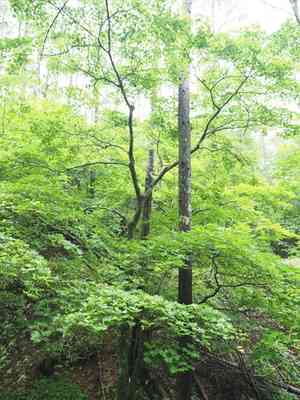
Acer shirasawanum 'Aureum' flourishes when relocated from late summer through mid-autumn, benefiting from the mild climate. Select a location offering partial shade and soil that drains effectively. Maintain steady hydration, yet prevent excessive wetness, to facilitate a smooth acclimatization.
Essential Preparations Before Relocating Golden Full-moon Maple
Optimal Timing for Golden Full-moon Maple Relocation?
The best time to move golden full-moon maple is from late summer through mid-autumn. During this period, the soil retains warmth while the air cools, reducing the risk of transplant shock. Additionally, roots have ample opportunity to establish before winter dormancy, improving survival rates and spring vitality.
Recommended Spacing Between Golden Full-moon Maple Plants?
When moving golden full-moon maple, ensure a spacing of 10-15 feet (3-4.5 meters) between them. This provides sufficient room for each plant to develop and flourish without competing for resources.
Ideal Soil Mixture for Golden Full-moon Maple Transplanting?
For golden full-moon maple, select a well-draining soil that is slightly acidic to neutral (pH 5.5-7.0). Enhance the soil with compost or an organic-rich base fertilizer to supply vital nutrients.
Preferred Location for Your Golden Full-moon Maple?
Golden full-moon maple thrives best in a spot with partial shade. An area with filtered sunlight or morning sun and afternoon shade is perfect to shield its delicate leaves from scorching.
Equipment Needed Before Transplanting Golden Full-moon Maple
Gardening Gloves
To safeguard your hands while handling soil and the plant.
Shovel or Spade
For excavating around the plant and preparing the new site.
Watering Can or Hose
To hydrate the plant before and after its move.
Pruning Shears
To trim any damaged roots or branches.
Wheelbarrow or Tarp
To transport the plant to its new position.
Mulch
To help retain moisture and prevent weed growth post-transplant.
How to Extract Golden Full-moon Maple from the Ground?
How to Extract Golden Full-moon Maple from the Ground?
From Ground: First, moisten the golden full-moon maple plant to dampen the soil. Then, dig a wide trench around the plant using a shovel or spade, ensuring the plant's root ball remains intact. Carefully work the spade beneath the root ball to lift the plant from its original spot.From Pot: Water the golden full-moon maple thoroughly before removal to minimize stress. Gently tip the pot on its side and tap the edges to loosen the soil and roots. Carefully slide the plant out, supporting the root ball with your hand.From Seedling Tray: Ensure the soil is damp, then use a small tool like a spoon or pencil to gently lift each golden full-moon maple seedling from the tray, supporting the root ball. Be careful not to harm the delicate roots.
Step-by-Step Guide for Relocating Golden Full-moon Maple
Site Preparation
Select a location with adequate sunlight and room for your golden full-moon maple plant to reach its mature size. Clear any weeds and debris from the transplanting area.
Digging the Hole
Excavate a hole that is twice as wide and the same depth as the root ball of the golden full-moon maple plant to encourage root expansion.
Planting Depth
Ensure that the golden full-moon maple plant is positioned at the same depth it was previously growing. The top of the root ball should be level with or slightly above the surrounding soil.
Backfilling
Gently refill the hole with soil, firming it around the root ball to eliminate air pockets. Water the plant thoroughly after backfilling.
Mulching
Apply a 2-3 inch layer of mulch around the base of the golden full-moon maple plant, keeping it a few inches away from the trunk to prevent rot.
Post-Transplant Care for Golden Full-moon Maple
Watering
Keep the soil around the golden full-moon maple consistently moist, but not waterlogged, for the initial weeks after transplanting to aid in root establishment.
Monitoring
Observe for signs of stress such as wilting or yellowing leaves, and adjust care as necessary.
Pruning
Remove any damaged or dead branches to promote new growth and help the plant focus its energy on establishing roots.
Protection
Consider using a shade cloth or temporary windbreak if the weather is excessively hot or windy to reduce transplant shock.
Addressing Common Issues with Golden Full-moon Maple Transplantation.
When is the best time to transplant golden full-moon maple?
Late summer to mid-fall is ideal for relocating golden full-moon maple for optimal establishment.
What's the proper spacing when transplanting golden full-moon maple?
Space golden full-moon maple 10-15 feet (3-4.5 meters) apart to allow for mature growth.
How deep should I dig the hole for golden full-moon maple?
Dig a hole twice as wide and as deep as the root ball of golden full-moon maple.
How do I prepare the soil for golden full-moon maple?
Mix native soil with compost to improve drainage and nutrient content for golden full-moon maple.
How often should newly transplanted golden full-moon maple be watered?
Water golden full-moon maple deeply every week for the first year to establish roots.
What should I do if the leaves of golden full-moon maple turn yellow after transplanting?
Yellow leaves may indicate stress; ensure proper watering and check for root damage.
Should I prune golden full-moon maple after transplanting?
Lightly prune damaged branches of golden full-moon maple to stimulate new growth post-transplant.
How much mulch should I use around golden full-moon maple?
Apply a 2-3 inch (5-7.5 cm) layer of mulch around golden full-moon maple to retain moisture.
Does golden full-moon maple require fertilization after transplanting?
Avoid fertilizing golden full-moon maple immediately after transplanting; wait until the following spring.
What if golden full-moon maple is not thriving post-transplant?
Ensure it's not planted too deep, check soil moisture, and adjust watering accordingly.



