How to Transplant Mountain maple?
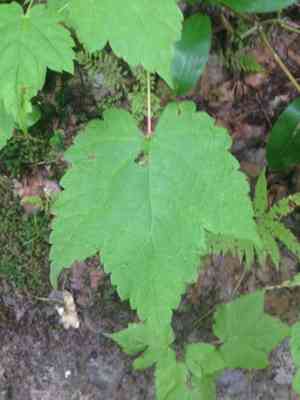
The optimal period for relocating mountain maple extends from the initial spring thaw through the warming of the soil in late spring, which encourages vigorous root development. Select a location offering partial shade and possessing damp, adequately draining earth. Should it be required, augment the site with compost to facilitate the mountain maple's flourishing.
What Preparations are Required Before Moving Mountain Maple?
When is the Best Time to Relocate Mountain Maple?
For mountain maple, the most favorable period for relocation spans from the initial spring thaw to the vibrant bloom of late spring. This timeframe allows mountain maple's root system to establish itself in cool, damp soil, thereby avoiding the harshness of summer. Moving mountain maple during this window guarantees a smooth adjustment, providing the plant ample opportunity to recover and thrive before the onset of summer's heat. This timing aligns with its inherent growth cycle, fostering robust development and a more abundant display of lively foliage.
How Much Distance Should Be Maintained Between Mountain Maple Plants?
When selecting a site for your mountain maple, remember to provide ample room for growth! Aim for a separation of 15-25 feet (4.5-7.5 meters) from other vegetation. This will enable your mountain maple to develop without competing for space or nutrients.
What is the Optimal Soil Blend for Mountain Maple Relocation?
For a flourishing mountain maple, blend the garden soil with some organic compost to boost fertility. A balanced, slow-release fertilizer will provide your mountain maple with an extra push. Ensure the soil drains effectively to prevent waterlogged roots.
Where Should You Replant Your Mountain Maple?
Your mountain maple enjoys some sun but also appreciates a degree of shade. Select a spot that offers partial sunlight, particularly one that receives morning light and is shielded from the intense afternoon sun. This will help your mountain maple flourish without receiving excessive direct light.
What Tools Should You Prepare Before Moving Mountain Maple?
Gardening Gloves
To safeguard your hands while handling soil and mountain maple.
Spade or Shovel
To excavate and transfer the mountain maple.
Watering Can or Hose
To hydrate the mountain maple before and after its relocation.
Wheelbarrow
For moving the mountain maple if necessary.
Pruning Shears
To trim any damaged roots or branches.
Measuring Tape
To ensure appropriate spacing from other plants.
Mulch
To help retain soil moisture and regulate temperature around the mountain maple's roots.
Garden Fork
To loosen the soil in the new planting area.
Rooting Hormone (optional)
To stimulate root development after relocation.
How Do You Extract Mountain Maple from the Ground?
How Do You Extract Mountain Maple from the Ground?
From Ground: First, ensure the soil around the mountain maple is damp to minimize root damage. Dig a wide circle around the mountain maple, maintaining a safe distance from the main root ball. Gently insert a spade or shovel beneath and carefully lift to preserve as much of the root structure as possible.From Pot: Water the mountain maple and allow it to drain. Turn the pot sideways and gently tap to loosen the soil. Grasp the base of the mountain maple and carefully slide it out, keeping the root ball intact.From Seedling Tray: Prepare by watering the soil to prevent root stress. Use a dibber or small trowel to guide the seedling out of the tray while holding the base of the mountain maple to keep the soil around the roots.
Step-by-Step Guide for Relocating Mountain Maple
Preparation
Ensure the ground where you will relocate the mountain maple has been prepared with loosened soil. Remove any weeds or debris.
Digging Hole
Create a hole that is twice the width of the mountain maple's root ball but no deeper than its current height in the original location, to prevent settling or water accumulation.
Plant Positioning
Carefully place the mountain maple into the hole. The top of the root ball should be level with the ground surface to ensure optimal growing conditions.
Refilling the Hole
Gently refill the hole with soil, working it around the roots of the mountain maple without compacting it too tightly.
Watering
Thoroughly water the mountain maple after planting to eliminate air pockets and help settle the soil.
Mulching
Apply mulch around the base of the mountain maple, a few inches away from the stem, to aid in moisture retention and provide temperature regulation.
Supporting
If the mountain maple is tall or unstable, use garden stakes or supports to secure it in its new position until it is well-established.
How Do You Care For Mountain Maple After Relocation?
Monitoring
Regularly check on the mountain maple to observe its adjustment to the new location, looking for signs of stress or growth.
Watering
Ensure that the mountain maple receives sufficient water, especially during the initial growing season, to help establish its roots.
Pruning
Trim any dead or damaged branches to direct the mountain maple's energy towards establishing its roots and new growth. However, avoid extensive pruning at this stage.
Protection
Implement measures to safeguard the mountain maple from pests, diseases, and extreme weather conditions as it recovers from relocation.
Feeding
Wait until the mountain maple shows signs of new growth before feeding, and then opt for a balanced, slow-release fertilizer if necessary, being careful not to over-fertilize.
Troubleshooting Common Issues with Mountain Maple Relocation.
What's the ideal period for moving mountain maple?
Relocate mountain maple when nature reawakens, typically early to late spring for a seamless transition.
How far apart should I space my mountain maple plants?
Position mountain maple plants with a generous distance of 15-25 feet (4.5-7.6 meters) to ensure healthy development.
Why are my mountain maple's leaves wilting after relocation?
Wilting could be due to transplant shock. Ensure soil is moist and plants are well-hydrated, especially in the initial weeks post-relocation.
What is the best soil for mountain maple relocation?
For successful establishment, use a well-draining soil rich in organic matter to mimic mountain maple's natural environment.
How much should I water mountain maple after relocation?
Water mountain maple generously at the start to help roots settle, then adjust to moderate watering as the plant establishes.
Can mountain maple be relocated in partial shade?
Absolutely! Mountain maple adapts well to varying light conditions, though partial to full shade can be ideal for its flourishing.
Is it necessary to prune mountain maple when relocating?
Light pruning can encourage growth. Remove damaged or dead branches to help mountain maple focus its energy on establishing roots.
How deep should I dig to relocate mountain maple?
Dig a hole that's twice as wide and equally as deep as the root ball to give mountain maple ample space to expand.
What signs indicate successful relocation for mountain maple?
Signs of success include new growth in leaves and stems, indicating mountain maple is adapting well to its new location.
My mountain maple is not thriving post-relocation, what should I do?
Examine its environment; ensure soil moisture, sun exposure, and spacing are appropriate. If issues persist, consult a local horticulturist.



