How to Transplant Tartarian maple?
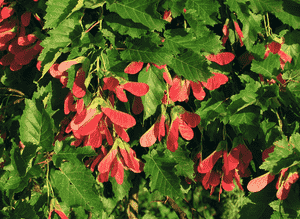
The most favorable periods for relocating tartarian maple are during the earth's rejuvenation from early to late spring, or as it transitions to dormancy from mid to late autumn, facilitating root integration. Select a location offering full sun to partial shade with adequately draining soil for peak development.
What Preparations are Needed Before Transplanting Tartarian Maple?
What is the Ideal Time for Transplanting Tartarian Maple?
The optimal period to relocate tartarian maple is during the mild conditions of early to late spring or the cool days of mid to late autumn. This timing allows tartarian maple to establish its root system in moderate temperatures, promoting vigorous growth. Choosing these seasons for transplanting tartarian maple ensures it benefits from spring's ample moisture or fall's preparation for dormancy, setting the stage for strong development.
How Much Space Should You Leave Between Tartarian Maple Plants?
When rehoming your tartarian maple, position them approximately 15-20 feet (4.5-6 meters) apart. This provides each plant with sufficient room to expand its canopy and thrive without overcrowding.
What is the Best Soil Mix for Tartarian Maple Transplanting?
To prepare the ground for your tartarian maple, create a well-draining soil mixture abundant in organic material. Prior to planting, incorporate a balanced, slow-release fertilizer to give your tartarian maple a nourishing start.
Where Should You Relocate Your Tartarian Maple?
Select a sunny location for your tartarian maple that receives at least 6 hours of direct sunlight daily. An area that enjoys morning sun and offers some afternoon shade is perfect for these sun-loving perennials.
What Equipments Should You Prepare Before Transplantation Tartarian Maple?
Gardening Gloves
To safeguard your hands while handling soil and the plant.
Spade or Shovel
For excavating the plant and preparing the new planting site.
Wheelbarrow or Garden Cart
To transport the tartarian maple and soil.
Watering Can or Garden Hose
To hydrate the tartarian maple before and after relocation.
Pruning Shears
To trim any damaged roots or branches.
Mulch
To aid in retaining soil moisture and regulating temperature around the new planting area.
Stake
To offer support for the tartarian maple if needed post-transplant.
How Do You Remove Tartarian Maple from the Soil?
How Do You Remove Tartarian Maple from the Soil?
From Ground: First, moisten the tartarian maple's soil. Dig a wide trench around the plant using a spade or shovel, taking care to preserve the root ball. Gently work the tool beneath the root ball to lift the tartarian maple from its original spot.From Pot: Thoroughly water the container. Tilt the pot sideways and gently tap to loosen the root ball. If it resists, run a knife along the inner edge to free the roots. Carefully ease the tartarian maple out while supporting its base and roots.From Seedling Tray: Dampen the soil in the tray. Use a spoon or a dibber to carefully pry the tartarian maple seedling out, ensuring to support the root system and avoid excessive damage to the delicate roots.
Step-by-Step Guide for Transplanting Tartarian Maple
Digging the New Hole
Measure the width and depth of the tartarian maple's root ball. Excavate a hole in the new location that is twice as wide and equal in depth to the root ball. This ensures the tartarian maple has ample space for root expansion.
Preparing the tartarian maple
Inspect the root ball for circling or girdling roots and straighten or prune them as necessary. Trim any damaged or broken roots and branches to encourage healthy growth.
Placing tartarian maple Into the Hole
Carefully position the tartarian maple in the center of the new hole at the same depth it was originally growing. Partially backfill the hole with removed soil and water deeply to settle the soil and eliminate air pockets.
Finishing the Planting
Add the remaining soil to fill the hole, gently tamping it down. Water the tartarian maple again, thoroughly saturating the soil. Apply a 2 to 3-inch layer of mulch around the planting area, but not directly against the trunk.
How Do You Care For Tartarian Maple After Transplanting?
Initial Watering
Water the tartarian maple generously after planting and then regularly to maintain consistent soil moisture, especially during the first growing season until established.
Mulching
Replenish or apply mulch as needed to conserve moisture and suppress weeds, keeping it away from the trunk to prevent rot.
Pruning
Only prune damaged or dead branches in the weeks following transplant, reserving major pruning for later seasons to avoid stressing the tartarian maple.
Staking
If the tartarian maple shows signs of instability, use a stake for support. Secure it loosely with tree ties to allow for natural movement and growth.
Troubleshooting Common Issues with Tartarian Maple Transplantation.
What's the best time to transplant tartarian maple?
Relocate tartarian maple during the pleasant conditions of early to late spring or the comfortable mid to late fall for optimal results.
How far apart should tartarian maple be planted?
Space tartarian maple generously, approximately 15-20 feet (4.5-6 meters) apart, to allow them to achieve their full magnificence.
Why is my tartarian maple wilting after transplanting?
Wilting may indicate transplant shock. Ensure the soil is moist, not waterlogged, and protect tartarian maple from intense sunlight for a few days.
How deep should the hole be for tartarian maple transplant?
Dig a hole as deep as the root ball and twice as wide to accommodate tartarian maple's roots without constriction.
Can I transplant tartarian maple during summer?
It's advisable to avoid summer's heat. Transplant tartarian maple when temperatures are milder to prevent stress and dehydration.
What soil type is best for transplanting tartarian maple?
Provide tartarian maple with well-draining soil rich in organic matter to nourish and stabilize its new location.
Should I prune tartarian maple when transplanting?
Minimal pruning to remove damaged or dead branches can help tartarian maple direct energy towards root establishment.
How much should I water tartarian maple after transplanting?
Water the tartarian maple generously after transplanting, then regularly to keep the soil consistently moist without becoming waterlogged.
How can I tell if tartarian maple is properly rooted after transplant?
Gently tug on tartarian maple after a few weeks. A lack of movement indicates successful root establishment.
What signs indicate transplant failure in tartarian maple?
Persistent wilting, discoloration, and leaf drop may signal transplant difficulties for tartarian maple. Reassess planting depth, spacing, and watering.



