How to Transplant Sweet flag?
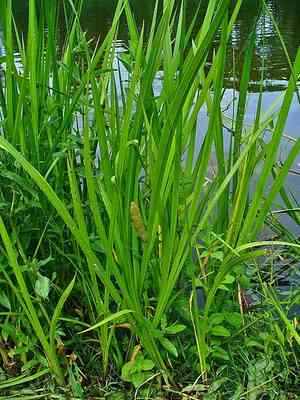
Relocate sweet flag in the mild period of late spring to early summer, allowing for robust root development prior to intense summer temperatures or cold winter conditions. Select a damp, partially shaded spot to replicate sweet flag's inherent wetland environment, and if transferring it, proceed cautiously to prevent harm to its root system.
What Preparations are Needed Before Transplanting Sweet Flag?
What is the Ideal Time for Transplanting Sweet Flag?
Moving sweet flag during the peak of spring or the start of summer offers optimal warmth and stable conditions, promoting strong root development and vigorous growth. Choosing this season boosts sweet flag's ability to flourish, thanks to the mild soil and gradual increase in daylight. Rely on this period to give your sweet flag an excellent chance for successful relocation, providing it with the full benefit of the season's nurturing embrace.
How Much Space Should You Leave Between Sweet Flag Plants?
When relocating sweet flag, consider providing ample room. Placing them approximately 1-2 feet (30-60 cm) apart would be just right! This allows each plant to develop freely without competing for nutrients or light. Eager to see your sweet flag thrive!
What is the Best Soil Mix for Sweet Flag Transplanting?
Establishing the correct base for sweet flag is crucial. Select well-draining soil, and blend it with organic material such as compost to enrich it. Before planting, add an initial dose of balanced granular fertilizer. This will nourish your sweet flag and aid in developing a robust root system.
Where Should You Relocate Your Sweet Flag?
Selecting the appropriate location for your sweet flag is vital. Find an area with full sun to partial shade, as sweet flag enjoys light but tolerates some shaded periods. Choosing a spot with good sunlight will encourage healthy development. Observe the light in your garden throughout the day to find the optimal position!
What Equipments Should You Prepare Before Transplantation Sweet Flag?
Gardening Gloves
To protect your hands from dirt, potential thorns, and irritants.
Shovel or Spade
Used for digging around the plant during removal and preparing the new site.
Trowel
Useful for loosening soil around the plant during extraction and making small holes for replanting.
Wheelbarrow or Pot
Helpful for transporting the plant to its new spot.
Watering Can
Crucial for hydrating the sweet flag before and after the move.
Pruning Shears
To trim any damaged or excess roots and/or foliage during relocation.
How Do You Remove Sweet Flag from the Soil?
How Do You Remove Sweet Flag from the Soil?
From Ground: Start by saturating the ground around the sweet flag to loosen it. Next, dig a wide trench around the plant with a shovel or spade, being careful to keep the plant's root ball intact. Gently work the spade beneath the root ball to lift the plant from its original position.From Pot: If the sweet flag is in a container, begin by watering it. Then, place your hand on the soil surface with the plant's stem between your fingers. Invert the pot and gently tap it until the plant and root ball slide out.From Seedling Tray: For young plants, first water the tray. Then, use a trowel or your fingers to carefully lift the sweet flag seedling, taking care not to break or harm the developing roots.
Step-by-Step Guide for Transplanting Sweet Flag
Preparation
Water the sweet flag before beginning the relocation process to minimize shock for the plant.
Digging
Excavate a hole in your chosen spot, making it wide and deep enough to accommodate the root ball of sweet flag with some room to expand.
Placement
Gently position the sweet flag in the hole, ensuring it is at the same depth as its previous location.
Backfilling
Refill the hole with soil, gently patting it down around the base of the sweet flag.
Watering
After relocating, water sweet flag thoroughly to help settle the soil around the roots.
How Do You Care For Sweet Flag After Transplanting?
Monitoring
Observe the sweet flag closely for the initial few weeks following transplantation. If the leaves begin to wilt or droop, it may need more water or a shadier spot.
Watering
Always keep the soil around sweet flag moist, but not excessively wet. Extended dryness or waterlogged conditions can harm the plant.
Trimming
Lightly prune the sweet flag after transplanting to reduce stress on the plant during recovery and subsequent growth. Only trim damaged parts and avoid heavy pruning at this time.
Diseases and Pests
Watch for any indications of diseases or pests. If detected, identify the specific problem and treat appropriately using organic pesticides or fungicides.
Troubleshooting Common Issues with Sweet Flag Transplantation.
When is the best time to transplant sweet flag?
The optimal period to relocate sweet flag is from late spring to early fall (S2-S4). This season allows the plant time to establish before winter.
What's the ideal spacing between sweet flag plants when I transplant?
It's best to space sweet flag plants approximately 1-2 feet (30-60 cm) apart. This spacing enables them to grow fully without competing for resources.
What type of soil conditions does sweet flag prefer for transplanting?
For relocating sweet flag, slightly acidic, fertile, and well-drained soil is ideal. They thrive in loamy or sandy soil compositions.
How deep should I plant the sweet flag during transplant?
The sweet flag should be planted so that the top of its root system is level with the soil surface. Avoid planting too deeply.
How much should I water sweet flag after transplanting?
Sweet flag prefers moist soil, so water thoroughly after relocating. However, prevent waterlogging the soil as this can lead to root rot.
What if sweet flag starts wilting post transplantation?
Wilting can be a sign of transplant shock. Keep the plant well-hydrated, maintain a moderate temperature, and shield it from harsh direct sunlight for a few days.
How to care for sweet flag after transplanting?
After relocation, keep the soil consistently damp, but not overly saturated. Protect sweet flag from strong winds and extreme temperatures until it is established.
What Should I Do if leaves of sweet flag are turning yellow after transplanting?
If sweet flag's leaves are yellowing, your plant might be waterlogged, or suffering from poor-draining soil. Check moisture levels and improve soil conditions.
Should I apply any fertilizer after transplanting sweet flag?
Applying a slow-release, balanced fertilizer (like a 10-10-10) after relocating can help sweet flag acquire the nutrients it needs to establish itself.
How can I ensure successful transplantation for sweet flag?
For a successful relocation, ensure you select a well-draining site, maintain adequate spacing, provide ample care immediately after transplantation, and use the correct type of soil.



