How to Transplant Horse Chestnut?
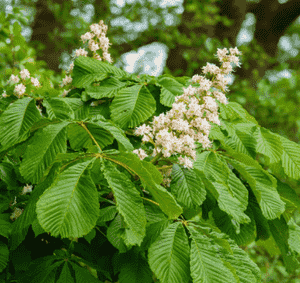
For horse Chestnut, the ideal period for relocation is from late spring through early summer, once the ground temperature rises, facilitating root development prior to its dormant phase. Select locations with good drainage and rich soil, safeguarding horse Chestnut from powerful gusts. During the transplanting process, ensure sufficient soil hydration and safeguard the root system to aid in its adaptation.
What Preparations are Needed Before Transplanting Horse Chestnut ?
What is the Ideal Time for Transplanting Horse Chestnut ?
Choose the transition from late spring to early summer for relocating horse Chestnut . This period offers stable weather and reduces transplant shock, encouraging strong root development and adaptation.
How Much Space Should You Leave Between Horse Chestnut Plants?
Ensure ample room for your horse Chestnut to develop and flourish, allowing approximately 25-35 feet (7.62-10.67 meters) between each specimen. This provides sufficient area for their full growth.
What is the Best Soil Mix for Horse Chestnut Transplanting?
Prepare your soil by enriching loamy soil with abundant organic material and incorporating a balanced base fertilizer. This creates an optimal environment for your horse Chestnut to thrive.
Where Should You Relocate Your Horse Chestnut ?
Select a site that receives a combination of sun and shade throughout the day for your horse Chestnut . Excessive sun exposure or complete shade might be detrimental. Happy planting!
What Equipments Should You Prepare Before Transplantation Horse Chestnut ?
Gardening Gloves
To protect your hands from potential injury when handling soil and the horse Chestnut plant.
Shovel or Spade
These tools are useful for excavating holes and properly arranging the soil for the plant's root ball.
Watering Can
Essential for moistening the soil during plant removal and for providing crucial hydration post-transplant.
Pruning Shears
Required for trimming away any dead or damaged roots.
Wheelbarrow or a Tarp
Helpful for moving the plant from its original spot to the new transplantation site.
How Do You Remove Horse Chestnut from the Soil?
How Do You Remove Horse Chestnut from the Soil?
From Ground: First, ensure the soil around the horse Chestnut is well-watered to soften it. Once soft, begin digging around the plant with your shovel or spade, leaving ample room to avoid damaging the root ball. Carefully work the tool under the root ball and start lifting the plant from its initial position, striving to keep the root ball intact.From Pot: Water the horse Chestnut until water begins to drain from the pot's bottom hole. Gently tilt the plant and tap the base of the pot. As the plant loosens, slowly pull it out, being careful not to harm the roots.From Seedling Tray: Fill a small pot with compost and create a hole in the center. Gently push the tray from below, extracting one seedling. Holding the leaves, not the stem, place it into the hole and firm the compost around it.
Step-by-Step Guide for Transplanting Horse Chestnut
Preparation
Start by preparing the new location. Dig a hole approximately twice the size of the root ball. It should be deep enough so the top of the root ball is level with or slightly above the surrounding ground.
Cutting
Before moving the horse Chestnut , ensure you trim away any dead or damaged roots using pruning shears.
Moving
Utilize a wheelbarrow or a tarp to transport the plant to its new spot. Keep the transfer as brief as possible, as horse Chestnut dislikes being out of the ground for extended periods.
Planting
Position the horse Chestnut in the prepared hole, spread out its roots, and backfill with soil, gently compacting it. The root flare should be visible above the soil surface.
Watering
Water the horse Chestnut thoroughly after transplanting, saturating the soil sufficiently to eliminate any air pockets.
How Do You Care For Horse Chestnut After Transplanting?
Monitoring
Closely observe the horse Chestnut for the initial few weeks post-transplant. If leaves begin to wilt or brown, it might signal an issue such as insufficient or excessive watering, or transplant shock.
Protection
Consider installing a tree guard or similar barrier to shield the horse Chestnut from pests and lawnmowers during its early growth phase.
Pruning
Any diseased, damaged, or broken branches should be removed. However, avoid significant pruning during the first year, as the plant should prioritize developing new roots.
Troubleshooting Common Issues with Horse Chestnut Transplantation.
When is the best time to transplant the horse Chestnut ?
The optimal period to relocate your horse Chestnut is between late Summer and early Autumn (S3-S5). This allows the horse Chestnut ample time to establish before Winter.
How much space does each horse Chestnut need when transplanting?
For successful growth, each horse Chestnut requires approximately 25 to 35 feet (7.6 to 10.7 meters) of spacing. This provides room for root expansion and branch spread.
What is the ideal depth for transplanting horse Chestnut ?
The horse Chestnut should be planted at the same depth it was previously growing. Ensure that the graft union, if present, remains above ground level.
Can horse Chestnut be transplanted in Containers?
Yes, but horse Chestnut is a large tree and will eventually need to be transplanted into the ground. Choose a spacious container initially to postpone this process.
My transplanted horse Chestnut looks sick, what could be wrong?
Transplant shock might be the cause. Ensure correct transplanting timing, adequate watering, mulching, and proper planting depth to aid the horse Chestnut's recovery.
Should I prune the horse Chestnut before transplanting?
It's generally not necessary. However, if branches appear crowded, a light pruning could benefit the horse Chestnut . Remember to keep pruning minimal as it is a stressful process for the plant.
What type of soil is ideal for transplanting horse Chestnut ?
Horse Chestnut prefers well-drained soil rich in organic matter. Ensure the soil pH is between 6.0 and 7.0 for optimal growth.
Should I fertilize horse Chestnut immediately after transplanting?
Avoid immediate fertilization as this can further stress the plant. Wait until new growth appears, indicating the horse Chestnut has begun to adapt to its new location.
What is the ideal watering regimen after transplanting horse Chestnut ?
Initially, water your horse Chestnut thoroughly and then maintain consistent moisture until the horse Chestnut establishes. However, avoid waterlogged conditions which can lead to root rot.
What to do if the horse Chestnut doesn't show any growth after transplanting?
Be patient as horse Chestnut may take time to establish. If no new growth appears over several weeks, consider consulting a local horticulturist or arborist about your specific situation.



