How to Transplant Red buckeye?
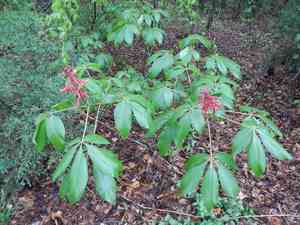
Maximize the growth prospects of red buckeye by relocating it during the mild temperatures of late spring through early summer. Select a location that offers abundant light and soil that drains effectively. A crucial tip: diligent watering after the move is vital for establishing robust initial development.
What Preparations are Necessary Before Relocating Red Buckeye?
When is the Best Time to Move Red Buckeye?
Moving red buckeye during the transition from late spring to early summer allows roots to settle in warm soil before winter. This timing provides ideal conditions for development, boosting red buckeye's vigor and flowering potential.
How Much Room Should You Provide Between Red Buckeye Plants?
When relocating your red buckeye, ensure ample space for its development. Ideally, position new plants approximately 15-20 feet (4.6-6.1 meters) apart. They truly benefit from room to expand and thrive!
What is the Optimal Soil Mixture for Red Buckeye Relocation?
Your red buckeye will flourish in soil that is consistently moist and drains effectively, though it can endure various soil types. For beginners, consider incorporating a balanced, granular base fertilizer into your soil preparation. You can't go wrong with that!
Where Should You Replant Your Red Buckeye?
Choose a spot for red buckeye that offers full sun exposure to partial shade. They appreciate abundant light, but can also tolerate some shade throughout the day. With adequate sunlight, your red buckeye will undoubtedly prosper!
What Equipment Should You Prepare Before Relocating Red Buckeye?
Spade or Shovel
For excavating the hole and extracting the red buckeye plant from its initial position.
Gardening Gloves
To safeguard your hands from soil and potential harm while handling earth and plants.
Garden Trowel
Useful for making precise measurements and adjustments to the planting cavity.
Watering Can or Hose
To hydrate the plant following its relocation.
Compost or Organic fertilizer
To enrich soil fertility and encourage plant growth.
Mulch
To assist the soil in retaining moisture and temperature, which benefits red buckeye's development.
Wheelbarrow (optional)
To move the plant and soil, particularly for larger specimens.
How Do You Extract Red Buckeye from the Ground?
How Do You Extract Red Buckeye from the Ground?
From ground: Begin by thoroughly watering the red buckeye plant a day prior to relocation. This should sufficiently moisten the soil and roots for safe and easy removal. Use a spade or shovel to dig a wide trench around the red buckeye, ensuring the root ball remains intact. Gently work the spade beneath the root ball and carefully lift the plant from the ground without harming the roots.From pot: Water the red buckeye plant well before the relocation process. Carefully tilt the pot sideways and gently slide out the plant while supporting the root ball. If it resists, you may need to tap the container's rim to loosen it.From seedling tray: Watering the tray will help loosen the soil. Hold the red buckeye by its true leaves and gently pull it, taking care of delicate roots. Do not hold it by the stem as young seedlings are very fragile.
Step-by-Step Guide for Relocating Red Buckeye
Prepare the new location
Dig a hole in the ground twice as wide and as deep as the red buckeye's root ball. Break up the soil at the bottom and sides of the hole with a garden trowel to facilitate root spread.
Soil Enhancements
Incorporate organic compost or a slow-release granular fertilizer into the hole to boost soil fertility. Mix it with the existing soil at the base of the planting hole.
Plant Placement
Position the red buckeye in the center of the hole. The top of the root ball should be level with or slightly higher than the surrounding soil to prevent water accumulation around the stem.
Backfill the hole
Refill the hole with soil, gently firming it around the root ball as you proceed. Ensure there are no air pockets, as these can dehydrate the roots.
Watering
Water the plant generously immediately after planting. This will settle the soil around the roots and help the plant adapt to its new spot.
Mulch application
Apply a layer of mulch around the base of the red buckeye, keeping it a few inches from the stem to prevent rot.
How Do You Care For Red Buckeye After Relocation?
Watering frequency
Water the red buckeye regularly, especially for the initial two weeks post-relocation. Moist soil aids root recovery and growth. However, ensure the soil is not waterlogged, as this can lead to root rot.
Monitoring
Closely observe your red buckeye, particularly during the first few days. Watch for signs of relocation shock, such as leaf drop or wilting leaves. If such symptoms appear, ensure proper watering and consider using transplant treatments available at garden centers.
Pruning
If the red buckeye plant is established and large, some light post-relocation pruning may be beneficial to lessen the strain on the stressed root system. However, remember that pruning is plant-specific and may not be suitable for all.
Troubleshooting Common Issues with Red Buckeye Relocation.
What is the optimal time of year to relocate red buckeye?
The ideal period to relocate red buckeye is between late summer and early fall, referred to as S3-S4.
How much space should be allotted when relocating red buckeye?
Ensure to place red buckeye approximately 15-20 feet (4.5-6 meters) apart. This allows for its full development and prevents overcrowding.
What are the indicators that red buckeye is ready for relocation?
Red buckeye will display new budding or leaf growth, signaling its readiness for relocation.
Should I water red buckeye immediately after relocating?
Absolutely, you should thoroughly water red buckeye after relocating. This assists in establishing roots in the new spot.
How deep should I excavate the hole when relocating red buckeye?
Dig a hole twice as wide and equal in depth to the plant's root ball. This ensures roots spread well for red buckeye's optimal growth.
What kind of soil does red buckeye require for successful relocation?
Red buckeye prefers well-drained soils. It does not thrive in overly waterlogged conditions. Ensure your chosen location has good drainage.
Why is my relocated red buckeye wilting?
Wilting after relocation is common, typically due to root shock. Keep the soil moist and avoid excessive heat or light exposure for red buckeye.
How should I handle the root ball during red buckeye relocation?
Handle the root ball of red buckeye gently to prevent damage to the roots, which could impact its ability to establish itself in the new location.
Why is my relocated red buckeye not showing signs of growth?
This could be due to relocation shock or improper planting. Maintain correct watering practices and ensure red buckeye is not overcrowded or under excessive direct sunlight.
Can I trim red buckeye before or after relocating?
You can trim any diseased or dead branches before relocating red buckeye but refrain from any major pruning until red buckeye establishes itself in the new location.



