How to Transplant Smooth-barked kauri?
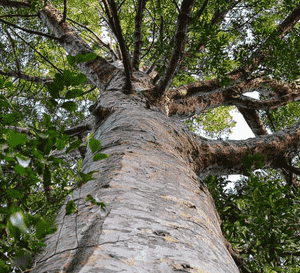
The most favorable period for relocating smooth-barked kauri is from the onset of spring's warmth until the brink of summer, a timeframe conducive to robust development. Choose a brightly lit location featuring soil that drains effectively, and allocate sufficient room for its extensive root structure to guarantee proper integration.
Essential Preparations Before Relocating Smooth-barked Kauri
Optimal Period for Smooth-barked Kauri Relocation?
The ideal period to move smooth-barked kauri is during the gentle onset of spring, from its early to late stages. This timeframe provides a perfect mix of moderate temperatures and increasing daylight, which collectively stimulate root development and allow the plant to adapt before the intensity of summer heat. Replanting smooth-barked kauri during this season leverages spring's supportive environment, establishing a strong base for vigorous growth and health throughout the year. This timely relocation perfectly aligns with the plant's natural growth cycle, maximizing transplant success.
Recommended Spacing Between Smooth-barked Kauri Plants?
When relocating smooth-barked kauri, aim for ample spacing. Ideally, position them approximately 6 meters (20 feet) apart. This provides sufficient room for their development and flourishing, preventing competition for vital resources.
Preferred Soil Blend for Smooth-barked Kauri Relocation?
Smooth-barked kauri thrives in well-draining soil abundant in organic material. Prepare the soil by incorporating compost or a balanced, slow-release fertilizer. This will establish a robust foundation for your smooth-barked kauri's development.
Optimal Site for Your Smooth-barked Kauri's New Home?
Select a sunny location where smooth-barked kauri can receive at least six hours of direct sunlight daily. Partial shade is acceptable, but full sun promotes the best growth. Also, choose a spot that offers protection from strong winds.
Tools Required Before Relocating Smooth-barked Kauri
Gardening Gloves
To safeguard your hands while handling soil and the plant.
Spade or Shovel
For excavating and moving the smooth-barked kauri.
Wheelbarrow
To transport the smooth-barked kauri and soil without back strain.
Pruning Shears
To trim any broken or excessively long roots.
Watering Can or Hose
To hydrate the smooth-barked kauri before and after its move.
Garden Trowel
For detailed work around the root ball during excavation.
Burlap or Tarp
To secure the root ball for transportation.
Rooting Hormone (optional)
To encourage root development post-relocation.
Method for Extracting Smooth-barked Kauri from the Ground
Method for Extracting Smooth-barked Kauri from the Ground?
From Ground: First, moisten the smooth-barked kauri to dampen the soil. Dig a wide circle around the plant using a spade or shovel, being careful to preserve the root ball's integrity. Gently leverage beneath the root ball to lift the smooth-barked kauri from the earth.From Pot: Hydrate the smooth-barked kauri and gently tap the pot's sides to loosen the soil. Tilt the pot sideways and carefully slide the smooth-barked kauri out, supporting the plant by its stem base.From Seedling Tray: Carefully separate the smooth-barked kauri from its tray cells. Use a garden trowel to gently lift the soil and roots, preventing trauma or damage to the root system.
Detailed Guide for Relocating Smooth-barked Kauri
Preparation
Prepare the new site by digging a hole that is twice the width and equal to the depth of the smooth-barked kauri's root ball.
Root Trimming
Trim any broken or overly long roots with pruning shears. If appropriate, apply rooting hormone to the trimmed areas.
Plant Positioning
Place the smooth-barked kauri in the center of the hole so that the top of its root ball is level with the surrounding ground.
Backfilling the Hole
Refill the hole with native soil, gently but firmly compacting it around the root ball to ensure stability and eliminate air pockets.
Initial Hydration
Water the smooth-barked kauri thoroughly to settle the soil and provide moisture. Stake the plant if needed for additional support.
Mulching
Apply a layer of mulch around the base of the smooth-barked kauri to retain moisture and regulate soil temperature.
Post-Relocation Care for Smooth-barked Kauri
Initial Watering
Water the smooth-barked kauri to keep the soil moist and promote new root growth. Regularly check the soil and adjust watering based on rainfall and temperature.
Support Alignment
Periodically inspect the stakes to ensure they remain secure and are not harming the smooth-barked kauri.
Pruning
Only prune dead, damaged, or diseased branches to encourage healthy development. Avoid extensive pruning immediately after relocation.
Resolving Common Issues with Smooth-barked Kauri Relocation.
When is the best time to move smooth-barked kauri?
The optimal period is during the mild transition from early to late spring, once the risk of frost has passed.
What spacing is recommended for smooth-barked kauri during relocation?
Ensure a generous distance of approximately 20 feet (6 meters) to accommodate their growth.
What size should the hole be for smooth-barked kauri relocation?
Excavate a hole twice as wide and as deep as the root ball to facilitate root expansion.
Can I move smooth-barked kauri in summer?
It's preferable to wait for spring's milder conditions, as summer heat can stress young smooth-barked kauri.
Why are the leaves of my relocated smooth-barked kauri turning brown?
Browning leaves often signal transplant shock. Ensure adequate watering and initially avoid direct sunlight.
How should I water smooth-barked kauri after relocation?
Water deeply to encourage deeper roots but prevent waterlogging. Consistency is crucial in the initial stages.
Should I fertilize smooth-barked kauri after relocation?
Wait until smooth-barked kauri is established before fertilizing. Excessive fertilization can harm delicate roots.
What soil conditions does smooth-barked kauri prefer for successful relocation?
Smooth-barked kauri thrives in well-draining soil, rich in organic matter. Avoid dense clay or overly sandy soils.
How should I handle the roots of smooth-barked kauri during relocation?
Handle gently to prevent damage. Untangle any circling roots to promote outward growth.
Is pruning necessary when relocating smooth-barked kauri?
Minimal pruning to remove dead or damaged branches is beneficial, but avoid extensive trimming to reduce stress.



