How to Transplant Foxtail agave?
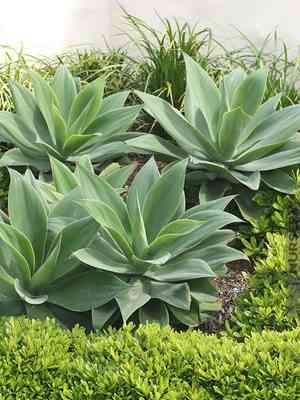
The optimal period for relocating foxtail agave spans from mid-summer through late summer, given that these warmer months encourage vigorous development. Select a site featuring soil that drains effectively and offers partial shade. During the transplanting process, take care not to harm the root system and supply ample hydration to help the plant establish itself in its new environment.
Essential Preparations Before Relocating Foxtail Agave?
Optimal Period for Foxtail Agave Relocation?
Relocating foxtail agave is best undertaken from mid-to-late summer, as this period offers the plant the best chance to acclimate to its new environment. This timing provides ample opportunity for the plant to establish and strengthen its root system before the onset of colder weather. It's a vital step that significantly contributes to giving your perennial a thriving start. Remember, the beauty and vitality of your foxtail agave largely depend on this initial preparation phase.
Recommended Spacing Between Foxtail Agave Plants?
When relocating foxtail agave, maintain a distance of approximately 3-6 feet (0.9-1.8 meters) between each specimen. This will provide them with sufficient room to develop and display their attractive foliage.
Ideal Soil Blend for Foxtail Agave Relocation?
For relocating foxtail agave, select a well-draining soil composed of sand, loam, and some organic material. Incorporate a slow-release, low-nitrogen base fertilizer to promote robust root development and overall plant health.
Optimal Location for Your Foxtail Agave?
Ensure you select a site with full sun to partial shade for your foxtail agave plant. These beautiful plants thrive on at least 6-8 hours of direct sunlight daily but can also tolerate some filtered shade.
Necessary Equipment for Foxtail Agave Relocation?
Gardening Gloves
To safeguard your hands while handling the soil and foxtail agave plant.
Shovel or Spade
For excavating the plant from its current spot and preparing the new planting hole.
Gardening Trowel
Required for smaller digging tasks or for planting in containers.
Wheelbarrow
Useful for moving the foxtail agave plant, especially if it is large.
Watering Can or Hose
For hydrating the plant after relocation.
How to Extract Foxtail Agave from the Soil?
How to Extract Foxtail Agave from the Soil?
From Ground: First, thoroughly water the foxtail agave plant until the soil is moist. Next, create a wide trench around the plant using your shovel, ensuring the root ball remains undisturbed. Carefully position your spade beneath the root ball to lift the plant from its current location. From Pot: To remove foxtail agave from a pot, water the plant beforehand to facilitate the extraction process. Gently jiggle the pot to loosen the soil around the edges. If necessary, tilt the pot sideways while supporting the top of the plant and slide the pot off. Remember to avoid yanking the plant. From Seedling Tray: Water the foxtail agave plant and gently press the underside of the tray cell. Carefully lift it out, taking care not to damage the plant's roots. These young plants can be delicate.
Step-by-Step Guide for Relocating Foxtail Agave
Preparation
Begin by preparing the hole where you intend to relocate the foxtail agave plant. The hole should be twice the width and equal to the depth of the plant's root ball or container.
Placement
Carefully position the foxtail agave plant into the hole, ensuring it stands upright. The top of the root ball should be level with the top of the hole.
Backfill
Backfill the hole with soil, gently compacting it. Do not cover the top of the root ball with soil, as this can lead to rot.
Watering
Generously water the foxtail agave plant immediately after the relocation process, ensuring the soil settles around the roots.
Post-Relocation Care for Foxtail Agave
Regular check-ups
For the initial weeks following relocation, consistently monitor your foxtail agave. Look for any indications of stress, such as wilting or discoloration.
Pruning
Postpone any pruning until the foxtail agave plant is well-established in its new site. This will direct all energy resources towards root development.
Watering
It's essential to provide adequate water but prevent the soil from becoming waterlogged. Once established, foxtail agave exhibits considerable drought tolerance.
Protection
If the relocated foxtail agave is exposed to strong winds or extreme temperatures, consider installing a windbreak or shade cloth for protection. Temporary safeguarding of your plant can aid its establishment in its new home.
Addressing Common Issues During Foxtail Agave Relocation.
When is the optimal time to relocate my foxtail agave?
The best period to relocate your foxtail agave is from mid to late summer. This provides it with an excellent opportunity to settle in before cooler weather arrives.
What spacing should I maintain between each foxtail agave in my garden?
For healthier development, each foxtail agave requires approximately 3-6 feet (0.9 - 1.8 meters) of space. This ensures proper airflow and root growth.
What type of soil should I prepare for relocating my foxtail agave?
Foxtail agave thrives in well-draining soil. If your soil is heavy or clay-like, incorporate some coarse sand or perlite to enhance drainage.
What steps should I follow when relocating my foxtail agave?
First, excavate a hole about twice the size of your foxtail agave's root ball. Place the plant in the hole, backfill with soil, and water thoroughly. Afterward, maintain consistent watering but avoid waterlogging.
Is my foxtail agave in distress if its leaves are yellowing?
Yellowing leaves may indicate over-watering. Although foxtail agave needs regular watering after relocation, it's crucial to prevent over-saturation. Your plant's soil should be moist, but not waterlogged.
Why isn't my foxtail agave showing new growth after relocation?
Don't be concerned. Foxtail agave may require some time to establish itself in a new location before initiating new growth. Ensure it receives proper care and exercise patience.
Should I prune my foxtail agave after relocation?
You should not prune immediately after relocation, as the foxtail agave is already experiencing some stress. Allow the plant to settle, typically after a few weeks, then consider modest pruning if necessary.
What indicators of successful relocation should I look for in my foxtail agave?
Signs of a successful relocation include new growth and vibrant, healthy-looking leaves. This might take a few weeks, so do not rush. Your foxtail agave needs time to adapt to its new environment.
What actions can I take if the roots of my foxtail agave were damaged during relocation?
If the roots are damaged, trim the broken sections using a clean, sharp tool. Then, relocate and water it promptly. Consistent care can help the foxtail agave recover gradually.
How deep should I plant my foxtail agave?
The hole for the foxtail agave should be twice as wide and as deep as the root ball. This ensures the roots have ample space to spread and grow.



