How to Transplant Chinese evergreen?
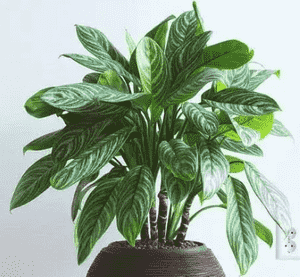
Relocate chinese evergreen between early and late spring, or from mid to late autumn, to ensure prime growth circumstances. Select a site with good drainage and diffused light. Relocation advice: Verify adequate soil ventilation and structure to foster robust root expansion.
What Preparations are Needed Before Transplanting Chinese Evergreen?
What is the Ideal Time for Transplanting Chinese Evergreen?
Moving chinese evergreen from early spring to its conclusion, or from mid-autumn to late autumn, provides an optimal timeframe. These periods are perfect for chinese evergreen as they offer moderate temperatures and humidity levels, allowing the plant to adjust to its new environment without severe weather shock. By transplanting during these seasons, you're setting chinese evergreen up for successful development, reducing its risk of transplant shock and encouraging strong root growth. Remember, a timely relocation can significantly impact chinese evergreen's health and longevity.
How Much Space Should You Leave Between Chinese Evergreen Plants?
When relocating chinese evergreen, ensure plants are spaced approximately 8-12 inches (20-30 cm) apart. This will guarantee ample room for their growth and flourishing.
What is the Best Soil Mix for Chinese Evergreen Transplanting?
Prepare a well-draining soil mixture for chinese evergreen. The perfect blend should feature rich, loamy soil, with added peat moss or coconut coir for moisture retention. A slow-release granular fertilizer can be incorporated to supply nutrients.
Where Should You Relocate Your Chinese Evergreen?
Select a spot for moving chinese evergreen with filtered or indirect sunlight, as they do not prefer direct sun. An east or north-facing window indoors or a shaded outdoor area would be ideal.
What Equipments Should You Prepare Before Transplantation Chinese Evergreen?
Gardening Gloves
To safeguard your hands while handling soil and plants.
Garden Trowel
This implement is essential for excavating small holes to accommodate the plant's root system.
Watering Can
To hydrate the chinese evergreen before and after the relocation process.
Shovel or Spade
These might be necessary for digging larger holes, especially if you're moving an older chinese evergreen plant.
Garden Pruner
To trim off dead or damaged leaves or roots prior to transplanting.
Organic Compost
To supply vital nutrients to the soil during transplantation.
How Do You Remove Chinese Evergreen from the Soil?
How Do You Remove Chinese Evergreen from the Soil?
From Ground: First, moisten the chinese evergreen plant to dampen the soil. Then, using a garden trowel or a spade, dig a wide circle around the plant. Ensure the root ball remains intact while working the tool beneath it. Gently lift the plant with the root ball from its original spot. Shake off excess soil and trim any damaged roots before preparing it for relocation.From Pot or Container: Before extracting the chinese evergreen plant from a pot, make sure to water it. Invert the pot and gently tap it to dislodge the plant. Do not pull on the plant's stem to avoid harming its structure. Slide the chinese evergreen out from the pot, keeping the root ball intact.From Seedling Tray: For young plants, moisten the tray first. Use a clean spatula or similar tool to carefully ease the soil and seedling out of the cell. Take extra care not to harm the delicate roots. Hold the seedling by its leaves to prevent stem damage.
Step-by-Step Guide for Transplanting Chinese Evergreen
Preparation
Begin by preparing the planting cavity. It should be twice as wide and the same depth as the root ball of the chinese evergreen. Mix some organic compost with the soil you've removed from the hole.
Amending the Soil
Place some enriched soil back into the cavity. This should form a mound for the root ball to rest on, positioning the plant at its desired depth.
Placement
Position the chinese evergreen in the planting cavity. Ensure that the top of the root ball is at or slightly above ground level.
Backfill
Refill the planting cavity with the enriched soil, gently firming it around the root ball.
Watering
Thoroughly water the chinese evergreen plant. The water will help settle the soil around the roots.
How Do You Care For Chinese Evergreen After Transplanting?
Watering
Keep the soil around the chinese evergreen consistently moist but not waterlogged, especially during the initial weeks following relocation.
Trimming
Remove any yellow or withered leaves after transplanting. This allows the plant to direct its energy towards producing new roots and foliage.
Humidity
Chinese evergreen prefers humidity. Therefore, maintaining humidity levels can aid its growth post-transplanting. You can place a tray of water near the plant or occasionally mist its leaves for this purpose.
Regular Check-up
Closely monitor your chinese evergreen after relocation for any indications of stress or illness. Some leaf drop is normal after transplanting. However, if you observe extensive leaf drop or wilting, your plant is likely stressed and requires attention.
Troubleshooting Common Issues with Chinese Evergreen Transplantation.
When is the ideal time to transplant the chinese evergreen?
It's best to move chinese evergreen from early to late spring, as well as from mid to late autumn.
What is the correct distance to leave between chinese evergreen plants during transplanting?
To provide chinese evergreen ample room to grow, position them 8-12 inches (20-30 cm) apart.
How to prepare the soil for chinese evergreen transplanting?
Ensure the soil drains well. Incorporate some organic matter or compost to enhance fertility and moisture retention.
What should the depth of the planting hole be for chinese evergreen?
Dig a hole as deep as the root ball—allow a few extra inches for better root development.
What care should be taken while planting chinese evergreen in the hole?
Avoid burying the stem. Place the plant in the hole so it's at the same level it was growing at previously.
How can I water chinese evergreen after transplanting correctly?
Water the chinese evergreen thoroughly immediately after transplanting. Continue watering consistently, but prevent soggy soil.
Should I prune chinese evergreen after transplanting?
Give chinese evergreen a light trim to encourage growth. Remove any dead or damaged leaves, but avoid excessive pruning.
Why are the leaves of my transplanted chinese evergreen turning yellow?
Yellowing leaves can signal stress from the relocation, or waterlogged soil. Moderate watering can aid in recovery.
What should I do if my chinese evergreen is wilting after transplanting?
Don't worry! Chinese evergreen might wilt after moving due to shock. Maintain consistent care, and it should recover.
How long will it take for chinese evergreen to establish after transplanting?
Typically, chinese evergreen can take a few weeks to establish after transplanting. Regular watering and avoiding extreme temperatures will accelerate this process.



