How to Transplant Common corncockle?
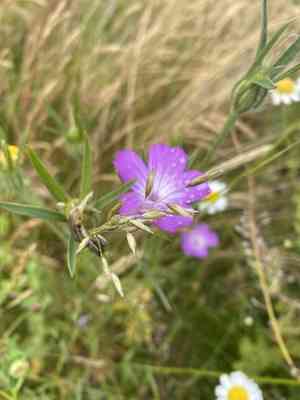
For common corncockle, the arrival of warmer temperatures from late winter to early spring provides ideal conditions for relocation. Select a bright location with soil that drains effectively and allow ample room between plants for optimal development. Bear in mind, a delicate approach is crucial when establishing common corncockle in its new environment.
What Preparations are Needed Before Transplanting Common Corncockle?
What is the Ideal Time for Transplanting Common Corncockle?
Relocate common corncockle as the ground thaws, allowing the awakening earth to support new development, promoting strong root systems and vigorous budding. This capitalizes on nature's signal for renewal, optimizing plant vitality and survival.
How Much Space Should You Leave Between Common Corncockle Plants?
When preparing to transplant common corncockle, ensure adequate spacing for each plant to thrive. Position them approximately 1-2 feet (30-60 cm) apart. This provides ample room for root expansion and nutrient absorption from the soil.
What is the Best Soil Mix for Common Corncockle Transplanting?
The optimal soil type for common corncockle is well-drained. Enrich it with compost to nourish your plants. Incorporating bone meal as a foundational fertilizer is beneficial, boosting phosphorus levels crucial for root development.
Where Should You Relocate Your Common Corncockle?
Consider the placement carefully when planting common corncockle! They thrive in full sun, so select a spot that receives at least 6 hours of daily sunlight. This will encourage robust and healthy growth.
What Equipments Should You Prepare Before Transplantation Common Corncockle?
Hand Trowel
Useful for loosening the soil around the common corncockle plant's roots during the removal process.
Gardening Gloves
To safeguard your hands while handling soil and the plant.
Shovel
Essential for excavating appropriately sized holes for transplanting the plant.
Garden Hose or Watering Can
For hydrating the plant immediately after transplanting and during subsequent care.
Pruning Shears
Aids in trimming any damaged, dead, or diseased foliage before and after the transplant occurs.
How Do You Remove Common Corncockle from the Soil?
How Do You Remove Common Corncockle from the Soil?
From Ground: Begin by moistening the soil surrounding the common corncockle plant with a garden hose or watering can. This facilitates easier extraction and helps maintain the root ball's integrity. Use a hand trowel to loosen the soil around the roots, then carefully dig a wide trench around the plant, ensuring the root ball remains intact. Gradually work the trowel beneath the root ball, then gently lift the plant from the ground.From Pot: Water the potted common corncockle plant thoroughly to ease its removal. Turn the pot on its side, hold the plant firmly, and gently slide it out. If the plant doesn't come out easily, gently tap the pot's rim on a firm surface and try again.From Seedling Tray: Dampen the soil in the tray. Then, using a small tool or your finger, carefully penetrate the soil and lift the common corncockle seedling out, ensuring to support the root section and minimize disturbance to the growing plant.
Step-by-Step Guide for Transplanting Common Corncockle
Digging the Hole
Use your shovel to excavate a hole that is twice as wide and as deep as the root ball of your common corncockle plant.
Positioning the Plant
Place your common corncockle plant into the prepared hole. The top of the root ball should be flush with or slightly below the surrounding ground level.
Filling in the Hole
Backfill the planting hole with the soil you previously removed, gently pressing down with your hands to secure the plant upright and firm in the ground.
Watering
Immediately after planting, water the common corncockle plant gently but thoroughly. Continue this practice regularly over the subsequent weeks.
How Do You Care For Common Corncockle After Transplanting?
Watering
Following transplantation, the common corncockle plant will require frequent watering until it has fully established itself. Water whenever the soil feels dry to the touch, but be cautious not to overwater as this can lead to root rot.
Pruning
Some stress-related leaf drop may occur after transplanting. If this happens, do not be concerned; simply remove the withered leaves using pruning shears. This will allow the plant to prioritize developing strong roots.
Monitoring
Keep a close watch on the common corncockle plant. If it exhibits signs of stress such as wilting, yellowing leaves, or stunted growth, it may necessitate an adjustment in watering frequency or other care modifications.
Troubleshooting Common Issues with Common Corncockle Transplantation.
What is the ideal time to transplant common corncockle?
The optimal period to transplant common corncockle is in season 1. This is the prime time for the plant's development, allowing it to adapt smoothly to its new location.
How should I prepare the soil before transplanting common corncockle?
To give your common corncockle an excellent start, prepare well-drained soil rich in organic matter. A pH level of 6.5-7.0 is perfect for common corncockle.
What should be the ideal spacing while transplanting common corncockle?
Maintain a distance of 1-2 feet (30-60 cm) between each common corncockle transplant. This provides ample room for their growth and proper expansion.
How much sunlight does common corncockle need after transplanting?
Common corncockle thrives in full sun. Aim to provide it with at least 6 hours of direct sunlight daily; this will promote healthy growth.
Should I water common corncockle right after transplanting?
Yes, thoroughly water common corncockle immediately after transplanting. This helps settle the soil around the plant's roots and minimizes transplant shock.
What care practices should I follow after the common corncockle's transplant?
Regularly inspect for pest activity, water the plant when the topsoil feels dry, and lightly fertilize every 4-6 weeks.
How should I handle common corncockle during transplanting?
Handle common corncockle carefully by the root ball or root zone, avoiding pulling or tugging on the stems or leaves to prevent damage.
Should common corncockle be transplanted during blooming?
Avoid transplanting common corncockle while it is blooming as this can cause stress to the plant. Wait until the plant has finished its flowering cycle.
How deep should I dig a hole for common corncockle when transplanting?
Excavate a hole at least twice the width and the same depth as the root ball of your common corncockle plant. This ensures sufficient space for growth.
Is it normal for common corncockle to wilt just after transplanting?
Yes, wilting can occur due to transplant shock. However, with proper care (such as watering and maintaining ideal light), common corncockle should recover quickly.



