How to Transplant Broadleaf wild leek?
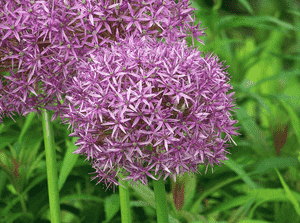
Broadleaf wild leek is ideally relocated from mid-spring through early summer, a period when the plant flourishes in warmer temperatures. Verify that the new location offers good drainage and abundant solar exposure. Exercise caution to prevent harm to the fragile root system during the transfer, which is crucial for robust development.
Essential Preparations Before Relocating Broadleaf Wild Leek
Optimal Timing for Broadleaf Wild Leek Relocation?
The best period for moving broadleaf wild leek is from mid-spring through early summer. This timeframe offers ample sunlight and moisture, vital for optimal bulb development. Transplanting during this season reduces the risk of winter damage and, more importantly, allows broadleaf wild leek to establish a robust root system before winter dormancy. There's nothing more rewarding than seeing your broadleaf wild leek flourish and bloom thanks to your precise timing!
Recommended Spacing for Broadleaf Wild Leek Plants?
When transplanting broadleaf wild leek, maintain a distance of approximately 6-8 inches (15-20 cm) between plants. This provides sufficient room for growth and expansion, leading to a fuller, more vigorous display.
Ideal Soil Blend for Broadleaf Wild Leek Transplanting?
Select well-draining soil rich in organic matter for broadleaf wild leek. Incorporate a balanced fertilizer containing nitrogen, phosphorus, and potassium to support healthy growth. Mix the fertilizer into the top few inches of soil before planting.
Choosing a New Location for Your Broadleaf Wild Leek?
Relocate broadleaf wild leek to an area that receives abundant sunlight, ideally around 6 hours daily. This promotes strong growth and better yields. Ensure the chosen spot is protected from strong winds and waterlogged conditions for optimal health.
Equipment Needed Before Transplanting Broadleaf Wild Leek
Gardening Gloves
Protect your hands when handling rough soil and sharp tools.
Spade or a Shovel
To carefully excavate the plant while keeping its root ball intact.
Garden Fork
To loosen the soil before and after moving the broadleaf wild leek.
Watering Can
To hydrate the plant before and after relocation.
Garden Trowel
For digging the new planting hole.
A Cloth or Plastic Bag
To hold the plant and shield its roots from sun and wind during the move.
Garden Shears
To trim any damaged roots or leaves before transplanting.
How to Extract Broadleaf Wild Leek from the Ground?
How to Extract Broadleaf Wild Leek from the Soil?
From Ground: First, thoroughly water the broadleaf wild leek plant to moisten the soil, making extraction easier. Using a spade or shovel, dig a wide circle around the plant, being careful not to damage the root system. Gently pry the soil away and gradually lift the plant from its original spot. Ensure the root ball remains intact. Wrap it in a cloth or plastic bag to protect the roots from sunlight and wind.From Pot: Water the potted broadleaf wild leek plant and let it sit for an hour. Invert the pot while gently supporting the plant at its base. Tap the pot's rim on a firm surface to release the plant.From Seedling Tray: Water the tray, then gently push the seedling up from the bottom. Carefully pull it out, ensuring no roots or stems are torn.
Step-by-Step Guide for Relocating Broadleaf Wild Leek
Depth and Width
Dig a hole in the ground that is approximately twice the width of the broadleaf wild leek's root ball and of equal depth.
Preparing the Hole
Use a garden fork to loosen the soil at the bottom and sides of the hole. This aids in root expansion.
Placing the Plant
Position the broadleaf wild leek plant in the center of the hole, ensuring the top of the root ball is level with the surrounding soil surface.
Backfill
Gently backfill the hole, lightly firming the soil around the lower half of the root ball.
Watering
After planting, water thoroughly and allow it to drain.
Post-Transplant Care for Broadleaf Wild Leek
Watering
Maintain consistent soil moisture levels for broadleaf wild leek. Regular watering, especially in the initial weeks, helps the plant recover from transplant stress.
Pruning
If you observe any dead or withered leaves after transplanting, remove them promptly. This allows the plant to direct energy towards new growth.
Monitor
Keep a close watch for any indications of pest or disease infestation. Early detection facilitates easier management, ensuring your plant thrives.
Mulching
Applying mulch around the base helps retain soil moisture and suppresses weed growth. It also provides protection during colder temperatures.
Addressing Common Issues with Broadleaf Wild Leek Transplantation.
When is the optimal time to transplant broadleaf wild leek?
The most suitable period to move broadleaf wild leek is from mid-spring to early summer.
What spacing is required between each broadleaf wild leek during transplanting?
As broadleaf wild leek grows, it requires adequate space to thrive, so allow roughly 6-8 inches (15-20 cm) between each plant.
What to do if broadleaf wild leek exhibits drooping leaves after transplanting?
Drooping leaves may indicate transplant shock. Ensure broadleaf wild leek is adequately watered and not experiencing drought stress.
Why are my transplanted broadleaf wild leek leaves turning yellow?
Yellowing leaves could be due to excessive water. Ensure the soil drains well and avoid over-watering broadleaf wild leek.
How deep should broadleaf wild leek bulbs be planted?
Plant broadleaf wild leek bulbs approximately 2 inches (5 cm) deep. This depth ensures stability and promotes proper root development.
Why is broadleaf wild leek not growing after transplanting?
Broadleaf wild leek might be in a dormant state or require time to recover from transplanting. Be patient, keep the plant well-watered, and ensure it receives sufficient sunlight.
How to manage broadleaf wild leek bulb rot after transplanting?
Bulb rot often results from overwatering or poorly draining soil. Ensure your broadleaf wild leek is planted in well-draining soil and avoid unnecessary watering.
What type of soil does broadleaf wild leek prefer for transplanting?
Broadleaf wild leek thrives in well-draining soil. This prevents water-logging, which can lead to bulb rot. A mix of loam and sand would be excellent.
What should I do if pests infest my transplanted broadleaf wild leek?
Utilize eco-friendly pest treatments to safeguard your broadleaf wild leek. Regularly inspect your plant for signs of pests and maintain good garden hygiene.
Should I fertilize broadleaf wild leek after transplanting?
Yes, applying a balanced fertilizer after transplanting broadleaf wild leek helps encourage healthier growth. However, avoid over-fertilizing as it can harm the plant.



