How to Transplant Onion?
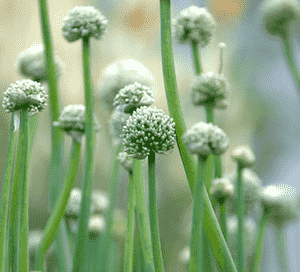
The ideal period for relocating onion plants is from late spring into early summer, as temperatures and ground conditions are most favorable. Select a well-lit spot for your onion, making sure to allow adequate room between plants. Bear in mind that a delicate approach is crucial during transplantation to prevent harm to the roots.
What Preparations are Needed Before Transplanting Onion?
What is the Ideal Time for Transplanting Onion?
The perfect time for moving onion is from late spring to early summer. This period offers ample sunlight and suitable temperatures for onion to grow and develop. Transplanting onion at this time leads to a high yield of healthy, mature onion. This is the optimal moment to relocate your onion to their permanent spot. Rest assured, these vibrant greens will reward you later!
How Much Space Should You Leave Between Onion Plants?
For onion, it's best to provide sufficient room for growth. Aim for 3-4 inches (7.6-10 cm) between each plant to ensure they can fully develop.
What is the Best Soil Mix for Onion Transplanting?
Before transplanting onion, prepare the soil by ensuring it's well-drained and enriched with organic material. Add a balanced slow-release fertilizer to supply essential nutrients for robust growth.
Where Should You Relocate Your Onion?
Choose a location with ample sun exposure for onion. It flourishes in areas receiving 6-8 hours of direct sunlight daily. If possible, position it in a south-facing spot to capture maximum sunlight.
What Equipments Should You Prepare Before Transplantation Onion?
Gardening Gloves
To protect your hands while working with soil and plants.
Shovel or Trowel
A small hand tool primarily used for digging; you'll need this to scoop soil and create planting holes.
Watering Can
Essential for hydrating onion after transplantation.
Organic Compost
It boosts the soil's nutrient content, providing a strong start for your onion.
How Do You Remove Onion from the Soil?
How Do You Remove Onion from the Soil?
From Ground: Thoroughly wet the onion plant's soil; this will reduce stress on the plant during transplantation. Now, use a shovel to dig around the plant, ensuring you don't harm the plant's roots. Gently lift the plant by placing the spade under the root ball, making sure to keep some soil around the roots during removal. Avoid direct contact with plant roots using bare hands.From Pot: First, water the onion plant well so that the soil and roots come out easily. Slowly tilt the pot sideways, hold the plant at its base, and gently coax it out. The root ball should slide out. If it doesn't, gently tap the sides or bottom of the pot to loosen it.
Step-by-Step Guide for Transplanting Onion
Preparation
Begin by thoroughly watering the onion plant in its original spot. This will keep the plant hydrated, minimizing transplant shock.
Hole Digging
Dig a hole twice as wide and equal in depth to the plant's previous location. Incorporate some organic compost into this hole to enhance nutrition.
Placing Plant
Carefully place the onion plant into the hole, ensuring it sits at the same level it was in its original spot. Avoid burying the plant too deeply or leaving roots exposed.
Backfill
Surround your onion with the removed soil, and use gentle hand pressure to firm it.
Water Thoroughly
After transplanting, give your onion a good drink of water. This aids in establishing strong roots and helps the plant adjust to its new home.
How Do You Care For Onion After Transplanting?
Watering
Since onion is a plant with shallow roots, consistent watering after transplanting is necessary to prevent wilting.
Weeding
Keep the growing area free from weeds, as they can compete with your onion for nutrients and water.
Monitoring
Keep an eye on your onion to observe how it adapts to its new location. Depending on the climate, regular moisture might be required.
Pest control
Watch out for pests such as onion flies and take appropriate measures at their early appearance. Regularly check the health of leaves and roots.
Troubleshooting Common Issues with Onion Transplantation.
When is the best time to transplant onion?
Aim to transplant your onion from late spring to early summer. This period of the year offers the most hospitable environment for onion.
What should be the ideal spacing between the onion plants when transplanting?
Ensure sufficient room for growth by maintaining a spacing of about 3-4 inches (7.5-10 cm) between each onion. Too close and they could compete for sunlight and nutrients.
What depth should the onion be planted when transplanting?
When transplanting your onion, the bulbs should be barely covered by soil. A depth of 1-2 inches (2.5-5 cm) is typically suitable.
Why are my transplanted onion wilting?
Wilting after transplanting usually is a sign of transplant shock. Ensure your onion is properly watered, getting adequate sunlight, and not overcrowded with other plants.
How often should I water my transplanted onion?
Why not water your transplanted onion once a week deeply? It encourages onion to develop deeper roots, resulting in a healthier and stronger plant over shallow watering.
Why are the leaves of my transplanted onion turning yellow?
Yellow leaves can be a result of overwatering or a lack of nutrients. Make sure your onion is not waterlogged, and consider adding a balanced slow-release fertilizer if deficient.
Can I transplant onion in the shade?
Onion prefer full sun for optimal growth. While they can tolerate some shade, their development might be slower and the harvest may be smaller.
What type of soil is best for transplanting onion?
Onion thrive in well-draining soil, rich in organic matter. Avoid heavy, waterlogged soils as they can lead to bulb rot and poor growth.
Why aren't my transplanted onion growing?
The reasons could be diverse, from under watering, poor sunlight, pests or diseases to insufficient nutrients. Inspect the plant and its environment to identify any issue.
Can I transplant onion next to other plants?
Yes, but it's advised to be considerate about companion plants. Onion grow well with most vegetables and herbs but avoid transplanting them close to beans and peas.



