How to Transplant Giant onion?
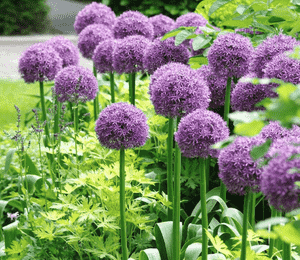
Relocating giant onion is most effective from the beginning to the middle of spring, facilitating prime root development and expansion. Verify that the chosen site offers soil with good drainage and ample sunlight. Handle the roots with care during the transfer process to prevent harm. Enjoy your gardening!
What Preparations are Needed Before Transplanting Giant Onion?
What is the Ideal Time for Transplanting Giant Onion?
Moving giant onion is best done from late winter to early spring, specifically early to mid-spring. This timing ensures the plant starts growing in favorable conditions, benefiting from the gradually warming weather. Transplanting at this opportune moment allows giant onion to develop a robust root system before summer's heat, thus promoting health and vigorous growth. Remember, a timely transplant is crucial for a thriving giant onion! Please follow proper preparation steps before transplanting for success.
How Much Space Should You Leave Between Giant Onion Plants?
When relocating your giant onion, ensure they are spaced approximately 6-8 inches (15-20 cm) apart. This provides ample room for their growth and the development of healthy root systems.
What is the Best Soil Mix for Giant Onion Transplanting?
For your giant onion, select fertile, well-draining soil with a slightly acidic pH of about 6.5-6.8. Incorporate a base fertilizer, such as compost or aged manure, to supply essential nutrients. Mix it thoroughly into the soil before planting.
Where Should You Relocate Your Giant Onion?
Locate a sunny spot in your garden for your giant onion â they thrive in full sun to light shade. Ideally, choose an area that receives at least 6 hours of direct sunlight daily. This will encourage strong and tall growth.
What Equipments Should You Prepare Before Transplantation Giant Onion?
Gardening Gloves
To safeguard your hands while handling soil and plants.
Shovel or Spade
For digging holes and trenches during transplantation.
Trowel
Used for precise digging and scooping when moving the giant onion plant.
Gardening Fork
To loosen the soil around the plant prior to removal.
Watering Can or Hose
To hydrate the plant before and after its relocation.
Pruning Shears
For trimming any damaged or excessively long roots.
Organic Compost or Fertilizer
To enhance soil quality and stimulate growth of the giant onion plant post-transplant.
How Do You Remove Giant Onion from the Soil?
How Do You Remove Giant Onion from the Soil?
From Ground: First, water the giant onion plant to moisten the soil. Then, dig a wide trench around the plant using a shovel or spade, ensuring the plant's root ball remains intact. Carefully work the spade beneath the root ball to lift the plant from its original spot.From Pot: Water the giant onion plant and gently tap the pot's sides to loosen the root ball. Tilt the pot sideways and carefully slide the plant and its root ball out while supporting the plant's base.From Seedling Tray: Moisten the soil around the giant onion seedling. Using a small fork or your fingers, gently loosen the soil around the seedling, being careful not to harm the roots. Carefully lift the seedling from its cell by holding the base of the stem.
Step-by-Step Guide for Transplanting Giant Onion
Site Preparation
Clear the transplanting area of any debris, weeds, or rocks. Dig a hole twice as wide and as deep as the giant onion plant's root ball. Mix organic compost or fertilizer into the excavated soil.
Root Inspection
Examine the giant onion plant's root system, trimming any damaged or overly long roots with pruning shears.
Plant Positioning
Place the giant onion plant into the hole, ensuring it sits at the same depth as it was previously growing. Keep the plant upright by holding the base of the stem.
Backfilling
Fill the hole with the amended soil, gently patting it down to remove air pockets. Ensure the soil is firmly packed around the plant's base, keeping the plant stable.
Watering
Thoroughly water the transplant area, allowing the soil to settle around the root ball.
Mulching (optional)
Apply a layer of mulch around the base of the giant onion to help retain moisture and suppress weeds.
How Do You Care For Giant Onion After Transplanting?
Watering
Keep the soil around the giant onion consistently moist, but not waterlogged, for the initial weeks after transplanting to aid in root establishment.
Fertilization
Apply a balanced, slow-release fertilizer around the giant onion plant several weeks post-transplant to encourage growth and vitality.
Weed Control
Regularly remove any weeds from the transplant area to prevent competition for water and nutrients.
Pest Management
Monitor the giant onion for any indications of pests or diseases, and promptly address any issues to maintain plant health.
Troubleshooting Common Issues with Giant Onion Transplantation.
When's the optimal time to transplant giant onion?
The best period for relocating giant onion is from early to mid-spring. This provides ideal conditions for your plants to become well-established.
How far apart should giant onion be placed during transplant?
Spacing giant onion approximately 6-8 inches (15-20cm) apart is optimal. This allows each plant sufficient room to grow and thrive.
What should I keep an eye on after transplanting giant onion?
Closely monitor soil moisture levels. While giant onion requires well-drained soil, they should not completely dry out. Avoid both over and under-watering.
My transplanted giant onion looks unhappy, what could be wrong?
Check for signs of under or overwatering. Insufficient sunlight or nutrient-deficient soil could also be factors. A soil test can offer further insights.
What should be the depth of the hole for transplanting giant onion?
The hole should be deep enough to fully cover the bulb. Typically, 2-3 times the bulb's height is adequate.
Is there a special soil mix required for transplanting giant onion?
Giant onion prefers well-draining, fertile soil. Incorporating compost or a balanced slow-release fertilizer can enrich your soil.
Can I transplant giant onion in a pot?
Absolutely! Ensure the pot has adequate drainage and is large enough for the plant's growth. Maintain the same 6-8 inches (15-20cm) spacing rule.
How do I care for giant onion during a surprise spring frost?
Move potted giant onion indoors. If planted in the ground, cover them with frost cloths. However, giant onion is generally frost-resistant once established.
Why are my transplanted giant onion not flowering?
Insufficient sunlight, water, or nutrients can hinder blooming. Ensure your giant onion receives at least six hours of sunlight and that your soil is nutritionally balanced.
The foliage of my giant onion is starting to yellow, what could be the issue?
Yellowing often indicates watering problems. Overwatering can lead to soggy roots, while underwatering causes dehydration. Review and adjust your watering routine accordingly.



