How to Transplant Chives?
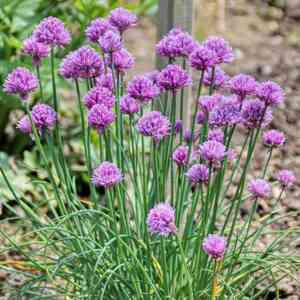
For chives, the optimal period for relocation is from mid to late spring, providing sufficient time for a strong root structure to establish. Select a bright spot with soil that drains effectively, and consider enhancing the soil with organic matter prior to moving the plants. Enjoy your cultivation!
What Preparations are Necessary Before Relocating Chives?
When is the Optimal Time for Moving Chives?
The ideal period to transfer chives is from mid to late spring. This timeframe provides chives with favorable weather conditions for root development. The warmth encourages quicker establishment, leading to a more productive, vibrant plant. Remember, timing is crucial in transplanting to maximize chives's health and vitality.
What Spacing Should You Maintain Between Chives Plants?
When relocating chives, it's important to allow each plant ample room to grow. A distance of 6-8 inches (15-20 cm) between them is perfect for their flourishing.
What is the Best Soil Mixture for Chives Relocation?
For chives, a soil that drains well is optimal. Incorporate some compost or aged manure to create a nutrient-rich foundation that will support their growth. A balanced, slow-release fertilizer like 10-10-10 can also aid their development.
Where Should You Replant Your Chives?
Location is key for chives's success! Find a spot in your garden that receives at least 6 hours of direct sunlight daily, as these perennials thrive in sunny conditions.
What Equipment Should You Prepare Before Relocating Chives?
Gardening Gloves
To protect your hands from soil and minor injuries while handling earth and plants.
Shovel or Spade
To assist in excavating the soil and removing the plant from its original spot.
Trowel
A smaller hand tool used to create a hole in the ground for your chives plant.
Garden Hose or Watering Can
For moistening the soil and irrigating the chives plant after relocation.
Organic Mulch
To help retain soil moisture and suppress weeds after transplanting.
Stake
For supporting the plant as it establishes new roots, if the plant is mature.
How Do You Extract Chives from the Soil?
How Do You Extract Chives from the Soil?
From Ground: First, thoroughly water the chives plant to soften the soil and make it easier to work with. Then, using a shovel, dig around the plant, being careful to avoid cutting into the root system. The aim is to remove the plant with as much soil attached to the roots as possible. Gently lift the plant out of the hole, preserving the root ball.From Pot: Water the chives plant thoroughly until water drains from the bottom of the pot. This will also facilitate the removal process. Then, tilt the pot and gently ease out the plant. Again, be cautious not to damage the roots.From Seedling Tray: After watering, using a trowel or your fingers, gently remove each seedling from its cell. Make sure to hold the seedling by its leaf, as squeezing the stem can cause damage. Keep the root system intact during this process.
Step-by-Step Guide for Relocating Chives
Plant Removal
Gently extract the chives plant from its initial location, keeping in mind the techniques shared above, whether it's being moved from the ground, a pot, or a seedling tray.
Prepare The Hole
Using your shovel or trowel, dig a hole wide and deep enough to accommodate the chives's root ball. The goal is to allow the roots to spread comfortably in their new spot.
Insertion
Place the chives plant into the hole. Ensure the plant is at the same level as it was in its original position. This helps prevent significant root or stem damage.
Backfill The Hole
While holding the plant upright, gently fill the hole with native soil. Firm the soil around the root zone to provide the plant with stability.
Basic Establishment Care
Water the chives plant thoroughly and spread a layer of organic mulch around it. If the plant is mature, use the stake to keep it upright and stable.
How Do You Care For Chives After Relocation?
Initial Watering
Provide the chives with a generous amount of water immediately after transplanting. This prevents shock and helps the plant establish easily in its new environment.
Regular Watering
Except on rainy days, ensure the chives plant is watered consistently until it is well established in its new location.
Monitor Progress
Keep a close watch on the chives plant's development. If it starts to wilt or show signs of stress, it may require more water or protection from strong winds.
Mulching
Replenish the mulch as needed; maintaining an adequate layer helps suppress weeds and retain soil moisture.
Troubleshooting Common Issues with Chives Relocation.
When is the best time to relocate chives?
The optimal period to transfer chives is from mid to late spring. This is when chives develops most effectively.
How far apart should chives be spaced when relocating?
Space the chives at intervals of 6-8 inches (15-20 cm). This accounts for the plant's growth requirements, providing ample room for successful development.
What happens if my chives wilts after relocating?
Wilting after transplanting can be a temporary shock for chives. Keep the soil moist and allow a few days for recovery. If wilting persists, it might be due to root damage.
Why are my chives turning yellow after relocating?
Yellowing may indicate overwatering or a nutrient deficiency. Ensure the soil has good drainage and consider adding compost or a slow-release fertilizer to boost nutrition.
How deep should the hole be when relocating chives?
Dig a hole that matches the depth of your plant's root ball. This will help chives establish quickly without the risk of being planted too shallow or too deep.
Should I fertilize chives immediately upon relocating?
Yes, lightly! It promotes root development. When you transplant, use a balanced slow-release fertilizer. Over time, this encourages healthier, more stable growth.
How often should chives be watered after relocating?
Water chives thoroughly right after transplanting. Afterward, only water when the top inch (2.5 cm) of soil is dry. Overwatering could lead to root rot.
Are there special soil requirements when relocating chives?
Chives prefers well-draining soil that is rich in organic matter. Before transplanting, enrich the soil with mature compost or high-quality potting mix for ideal plant nutrition.
Why are my relocated chives not growing?
Insufficient sunlight, inadequate or excessive water, or a lack of nutrients could be the reason. Evaluate your care routine to ensure chives have what they need.
Why are my relocated chives leaves turning brown at the tips?
Brown tips usually indicate either dry air or a nutrient deficiency. Make sure chives are not placed near heaters or air conditioners, and that fertilization is regular and balanced.



