How to Transplant Wild garlic?
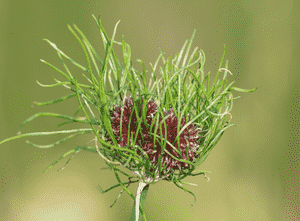
The most favorable period for relocating wild garlic is from mid to late spring, capitalizing on its robust development. Choose a sunny location featuring soil that drains effectively. Carefully manage the bulbs during transplantation to guarantee a smooth adjustment.
What Preparations are Needed Before Transplanting Wild Garlic?
What is the Ideal Time for Transplanting Wild Garlic?
The perfect time for moving wild garlic is during mid-spring. This specific period offers balanced temperatures and a burst of growth energy, crucial for root establishment. Relocating wild garlic in this season capitalizes on nature's drive for sprouting and root development, ensuring a strong transition. With weather that's neither too cold to harm nor too hot to dry out, wild garlic thrives as it adapts to its new spot.
How Much Space Should You Leave Between Wild Garlic Plants?
When relocating your lovely wild garlic, aim to position each plant roughly 0.5-1 foot (15-30 cm) apart. This spacing guarantees they have ample room to develop, while still allowing for friendly proximity. Remember, nature dislikes isolation!
What is the Best Soil Mix for Wild Garlic Transplanting?
Preparing the soil is crucial for wild garlic's success. This seemingly humble plant flourishes in soil that drains well. Incorporate some good quality compost during soil preparation, which provides a strong nutrient base and improves soil health.
Where Should You Relocate Your Wild Garlic?
Select a spot where your wild garlic can receive full sun or partial shade. Remember, like us, they require sunlight to flourish and grow, but a bit of shade during the hottest part of the day can be beneficial.
What Equipments Should You Prepare Before Transplantation Wild Garlic?
Gardening Gloves
To handle wild garlic without skin irritation from potential sap.
Garden Trowel
For digging a hole at the new location and for loosening the wild garlic's roots from its original spot.
Watering Can
To hydrate the wild garlic both before and after transplanting, helping to prevent shock.
Gardening Fork
For aerating the soil around the new transplant site, which can encourage better root development.
Mulch
To insulate the ground and help the soil retain moisture after the wild garlic is moved.
How Do You Remove Wild Garlic from the Soil?
How Do You Remove Wild Garlic from the Soil?
From Ground: First, water the wild garlic plant to moisten the soil. Gently dig around the plant with your garden trowel, ensuring a wide enough margin to avoid cutting into the roots. Carefully work the trowel under the root ball to lift the plant from its original location, trying to keep as much of the root ball intact as possible.From Pot: Begin by watering the soil in the pot to facilitate removal. Tip the pot on its side and gently pull out the plant by its base, avoiding pulling on the stems or leaves of the wild garlic. If the plant is stuck, you might need to tap around the edges of the pot to loosen it.From Seedling Tray: With a spoon or small trowel, gently scoop out each wild garlic seedling, being careful not to harm the roots. Try to keep the surrounding soil attached to the seedling's roots to help it transition to the new site.
Step-by-Step Guide for Transplanting Wild Garlic
Prep Site
Dig a hole at the new location using a garden trowel. The hole should be twice as wide as the root ball and the same depth as the root ball's height. Break up any compacted soil in the hole with a gardening fork.
Insert Plant
Place the wild garlic in the center of the hole, ensuring the top of the root ball is level with the ground surface.
Backfilling
Gently refill the hole with soil, pressing it lightly around the base of the wild garlic to ensure stability.
Watering
Water the wild garlic thoroughly after planting to settle the soil and reduce air pockets around the root ball.
Mulching
Apply a 2-3 inch layer of mulch around the wild garlic to help maintain soil moisture and temperature.
How Do You Care For Wild Garlic After Transplanting?
Regular Watering
To help the wild garlic establish in its new spot, keep the soil consistently moist -- neither too wet nor too dry.
Inspect for Pests/Diseases
Regularly check the wild garlic for signs of pests or disease. Detecting a problem early will allow you to manage it before it becomes severe.
Pruning
Depending on the growth of wild garlic, trimming may be necessary. Cutting back some stems will direct energy into root development rather than leaf production.
Protection from Elements
Shield the wild garlic from harsh weather conditions like strong wind or intense heat in the initial weeks after transplanting.
Troubleshooting Common Issues with Wild Garlic Transplantation.
When is the best time to transplant wild garlic?
The optimal period to relocate wild garlic is between the second and third season of its life cycle. This timeframe offers the best conditions for root establishment.
What is the ideal spacing when I transplant wild garlic?
Leave a gap of 0.5 to 1 foot (15-30 cm) between each wild garlic to ensure each plant has sufficient room to grow without competition.
Why is wild garlic not thriving after transplanting?
Examine the soil conditions. Wild garlic prefers well-drained soil and partial shade. Overwatering or excessive sun exposure could have negative effects.
How deep should I plant wild garlic when transplanting?
When transplanting, plant wild garlic to the same depth it grew previously. This is typically about 2-3 inches (5-8 cm) deep.
How soon after transplanting will wild garlic start to grow?
Wild garlic should show signs of growth within a few weeks of transplanting, provided it has good soil, proper spacing, and has been cared for appropriately.
What's responsible for yellow leaves in transplanted wild garlic?
Yellow leaves on transplanted wild garlic could result from transplant shock, insufficient hydration, or a nutrient deficiency. Ensure it receives enough water and consider adding a balanced fertilizer to the soil.
Why is my transplanted wild garlic wilting?
Wilting after transplanting often indicates transplant shock. Ensure wild garlic is given adequate water without waterlogging the soil; also avoid too much direct sun initially.
How to prepare the soil for wild garlic transplantation?
Ensure the soil drains well and is slightly acidic to neutral. For nutrient-rich soil, mix compost into the top 4-6 inches (10-15 cm) before transplanting.
Why are the transplanted wild garlic bulbs not sprouting?
The bulbs may have been planted at the wrong depth or aren't receiving enough water. Make sure they're planted 2-3 inches (5-8 cm) deep and the soil remains adequately moist.
What to do if transplanted wild garlic is not blooming?
Wild garlic may not bloom if they're not getting enough light, water, or nutrients, or if overcrowded. Make sure they have proper spacing, adequate sunshine, and enoughâbut not too muchâwater.



