How to Transplant Love-lies-bleeding?
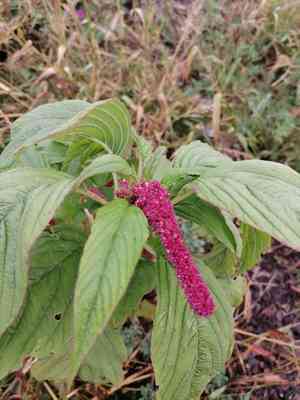
The ideal period for relocating love-lies-bleeding is throughout the pleasant warmth of early to late summer, when conditions are most favorable. Select a bright spot with adequately draining earth for love-lies-bleeding to flourish. A friendly tip - ensure the plant has ample room for its best development!
What Preparations are Needed Before Transplanting Love-lies-bleeding?
What is the Ideal Time for Transplanting Love-lies-bleeding?
The most favorable period to relocate love-lies-bleeding is from early summer through its conclusion. During this timeframe, the plant flourishes due to ample sunlight and warmth. Moving love-lies-bleeding in this prime season guarantees robust growth and vibrant blooms. It's like the plant's personal showcase for its beauty, so ensure you don't miss this excellent window. Remember, good planning leads to a healthy, lush love-lies-bleeding!
How Much Space Should You Leave Between Love-lies-bleeding Plants?
For your love-lies-bleeding plants, provide sufficient room for development by spacing them 6-18 inches (15-46 cm) apart. This will ensure they have adequate area to thrive and display their beautiful cascading flowers.
What is the Best Soil Mix for Love-lies-bleeding Transplanting?
Begin by preparing well-draining soil for your love-lies-bleeding plants, incorporating organic matter and compost. Add a mild, slow-release fertilizer at planting to supply essential nutrients and promote a strong start.
Where Should You Relocate Your Love-lies-bleeding?
Select a new location where your love-lies-bleeding plants can absorb sunlight! Aim for an area that receives full sun or at least 6 hours of daily sunlight to maintain their health and vigorous growth.
What Equipments Should You Prepare Before Transplantation Love-lies-bleeding?
Gardening Gloves
To protect your hands when handling soil and plants.
Spade
For excavating holes in the ground where the love-lies-bleeding plant will be moved.
Watering Can
To supply water during and after the relocation.
Compost
To enrich the soil and provide necessary nutrients to the love-lies-bleeding plant.
Garden Trowel
For loosening earth and extracting the plant from its current container.-Pot or Container (Only if you transplant from pot to ground)
How Do You Remove Love-lies-bleeding from the Soil?
How Do You Remove Love-lies-bleeding from the Soil?
From Ground: Start by irrigating the love-lies-bleeding plant to moisten the surrounding earth. Use a spade to dig a wide circle around the plant, ensuring the entire root ball remains intact. Gently leverage under the root ball with the spade and lift the plant from its current spot.From Pot: Ensure the plant is well-watered before beginning the process. Invert the pot while supporting the plant with your other hand. Tap to release it. If it resists, you might need to run a knife along the pot's inner edge to loosen the root ball.From Seedling Tray: Water the love-lies-bleeding seedlings first. Carefully separate the seedlings, taking care not to harm the root ball. Lift it gently, making sure you have the complete plant, from foliage to root tip.
Step-by-Step Guide for Transplanting Love-lies-bleeding
Prepare the Hole
Excavate a hole that is roughly twice the diameter of the love-lies-bleeding plant's root ball. This allows roots ample space to spread and develop.
Analyze Roots
Inspect for any broken, damaged, or excessively long roots and trim them before planting.
Plant Placement
Position the love-lies-bleeding plant in the hole. The top of the root ball should be flush with the soil surface.
Backfill the Hole
Gradually refill the hole with soil, ensuring the plant stays upright. Gently firm the soil around the root ball to stabilize the plant.
Water Generously
Thoroughly water the plant after planting. The soil should be damp, but not waterlogged.
How Do You Care For Love-lies-bleeding After Transplanting?
Watering
Ensure the soil remains consistently moist, not saturated, for the initial weeks post-transplantation to aid in establishing strong roots.
Mulching
Cover the soil surface with a layer of mulch to help retain moisture, suppress weeds, and regulate soil temperature.
Regular Check
Periodically inspect the love-lies-bleeding plant for indications of stress, such as wilting or discoloration. Addressing issues promptly can facilitate recovery.
Feeding
Once established in its new location, provide it with a balanced fertilizer to support its growth.
Troubleshooting Common Issues with Love-lies-bleeding Transplantation.
When's the best time to transplant love-lies-bleeding?
You'll achieve optimal results with love-lies-bleeding transplants during the period spanning from early to late summer.
How much space should I leave between love-lies-bleeding plants when transplanting?
Aim to maintain a gap of 6-18 inches (15-46 cm) when relocating love-lies-bleeding to provide sufficient room for growth.
Why is my transplanted love-lies-bleeding plant wilting?
Love-lies-bleeding may wilt due to shock from the transplanting process. Ensure it receives adequate water and avoid harsh direct sunlight.
What soil type suits love-lies-bleeding best for transplanting?
Love-lies-bleeding thrives in well-drained, loamy soil rich in organic matter. Confirm your soil meets these conditions before transplanting.
How deep should the planting hole be for love-lies-bleeding?
The transplanting hole should be approximately twice the width and the same depth as the root ball of love-lies-bleeding.
Why are the leaves of my transplanted love-lies-bleeding turning yellow?
Yellowing leaves might indicate water stress or nutrient deficiency. Check the soil's moisture level and consider a balanced fertilizer.
Are there companion plants that may benefit love-lies-bleeding while transplanting?
Love-lies-bleeding pairs well with plants that have similar sun and water requirements. Consider companions like marigolds or zinnias.
What to do if the transplanted love-lies-bleeding is not growing well?
Ensure adequate sunlight, water, and nourishing soil for your love-lies-bleeding. If these conditions are met, stake it for support to aid its development.
What watering schedule should I adhere to after transplanting love-lies-bleeding?
Give love-lies-bleeding a thorough watering after transplanting. Then maintain consistently moist, but not waterlogged, soil, especially on hot, dry days.
Do love-lies-bleeding accept any form of mulching after transplanting?
Absolutely! A generous layer of organic mulch around love-lies-bleeding will help retain moisture and control weeds, contributing to successful transplant.



