How to Transplant Redroot amaranth?
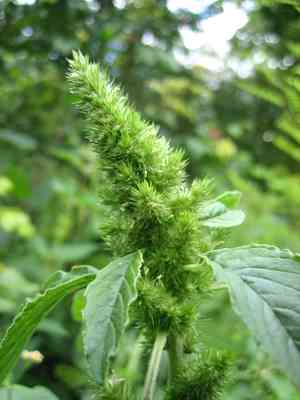
The optimal period for relocating redroot amaranth extends from the close of spring into the middle of summer, capitalizing on the warm ground for root development. Select sunny spots featuring fertile, adequately draining earth. Should redroot amaranth sprouts appear elongated, embed their stalks more profoundly to foster robust development.
What Preparations are Needed Before Relocating Redroot Amaranth?
What is the Ideal Time for Relocating Redroot Amaranth?
The best time to move redroot amaranth is at the transition from late spring to early summer. This period, bridging the end of spring and the start of summer, offers redroot amaranth gentle warmth and stable weather, facilitating a smooth move from its container to the garden, promoting strong growth. Moving redroot amaranth at this point takes advantage of longer daylight hours and mild evenings, encouraging vigorous root development and leaf growth. The favorable seasonal climate helps redroot amaranth adapt and thrive easily in its new spot.
How Much Space Should You Leave Between Redroot Amaranth Plants?
When moving redroot amaranth, aim for a separation of 1-2 feet (30-60 cm) between plants. This provides each plant ample room to develop and flourish. Remember, it's always better to give them a bit more space!
What is the Best Soil Mix for Redroot Amaranth Relocation?
Prepare a soil mixture abundant in organic material as the base. Incorporating a slow-release all-purpose fertilizer will supply redroot amaranth with necessary nutrients. If your soil is dense clay or sandy, consider enriching it with compost to improve its texture and fertility.
Where Should You Relocate Your Redroot Amaranth?
Select a sunny location in your garden for redroot amaranth. They thrive in sunlight! Additionally, an area where the plant receives 6-8 hours of direct sun daily would be perfect. Redroot amaranth enjoys bright conditions, but can also endure partial shade in warmer climates.
What Equipment Should You Prepare Before Moving Redroot Amaranth?
Gardening Gloves
To safeguard your hands while handling the soil and redroot amaranth plant.
Garden Spade or Shovel
These tools will be used for the removal and relocation process. A smaller spade might be necessary for moving from pots or seedling trays.
Garden Pruning Shears
To trim off any dead foliage or to reduce the plant's size prior to relocation.
Watering Can
For hydrating the redroot amaranth plant before and after its move.
Transplanting Trowel
This smaller implement is used for more precise digging at the new location.
How Do You Remove Redroot Amaranth from the Soil?
How Do You Remove Redroot Amaranth from the Soil?
From Ground: If your redroot amaranth plant is currently in the ground, first water the plant to moisten the surrounding soil. Using your spade or shovel, gently dig around the plant to loosen the soil, being careful not to harm the roots. Once the soil is loose, slide your spade beneath the plant and lift it carefully.From Pot: Start by watering your potted redroot amaranth. Then, tip the pot on its side and gently slide the redroot amaranth out, ensuring you hold onto the base of the plant as you do so. Avoid pulling on the plant's stem to prevent damage.From Seedling Tray: Water your seedling tray before beginning the removal process. Then, gently lift the redroot amaranth seedling from the tray using a small trowel or your hands, making sure to avoid damaging the roots.
Step-by-Step Guide for Relocating Redroot Amaranth
Digging
Dig a hole of the same depth and twice the width of the redroot amaranth's root ball. This should provide ample space for the roots to spread and grow.
Placing
Now position the redroot amaranth in the hole. The top of the roots should be level with or slightly below the soil surface.
Backfill
Refill the hole with the excavated soil, gently compacting it around the redroot amaranth's base.
Watering
Immediately after planting, thoroughly water the redroot amaranth. This helps the soil settle around the roots.
Mulching
Finally, apply a layer of mulch around the redroot amaranth to help retain moisture and suppress weeds.
How Do You Care For Redroot Amaranth After Relocation?
Watering
Consistent watering is crucial after the move. Keep the soil around the redroot amaranth moist but not saturated. Avoid both dry and waterlogged soil as both can harm the plant.
Pruning
If the redroot amaranth appears droopy or has yellowing leaves after relocation, you might need to trim it back to lessen stress on the plant. Always use clean, sharp garden pruning shears for this.
Monitoring
Closely observe your redroot amaranth over the next few weeks. Look for any signs of relocation shock, such as wilting or discoloration. If this occurs, consider seeking advice from a local garden center.
Troubleshooting Common Issues with Redroot Amaranth Relocation.
During which seasons should I consider relocating redroot amaranth?
The best seasons to relocate redroot amaranth are from late spring to early autumn (S3-S5). These periods offer optimal conditions for growth.
What's the proper distance I should adhere to when relocating redroot amaranth?
To ensure proper growth, it's ideal to maintain a distance of 1-2 feet (30-60 cm) apart during relocation.
Why are my newly relocated redroot amaranth plants wilting?
Redroot amaranth plants might wilt due to relocation shock. Ensure to water them immediately after relocation and keep them at the right temperature and sunlight exposure.
How much water do redroot amaranth need post-relocation?
Water redroot amaranth thoroughly after relocation. Keep the soil moist, but avoid overwatering as it can cause root rot. Adjust based on heat and sunlight exposure.
Why are the leaves of my redroot amaranth turning yellow post-relocation?
Yellow leaves can indicate excessive watering or poor drainage. Ensure that your redroot amaranth plants are not left in waterlogged soil.
How do I manage pests after relocating redroot amaranth?
Regularly inspect your redroot amaranth plants for pests. If detected early, natural remedies can be an effective way to treat without harming the plant.
How should I prepare the soil before relocating redroot amaranth?
The soil should be well-draining and rich in organic matter. Adding compost can improve soil texture and nutrient content, ensuring healthier redroot amaranth plants.
What kind of sunlight exposure do redroot amaranth need after relocating?
Redroot amaranth plants require full sunlight to partial shade conditions for optimal growth. However, newly relocated plants may need some shade until they are well established.
How do I properly handle redroot amaranth during relocation?
Handle redroot amaranth with care during relocation. Try not to disturb the roots much and always hold the plant from its root ball, not the stem or leaves.
When should I start fertilizing after relocating redroot amaranth?
Wait until the redroot amaranth has established itself in the new location, usually 2-3 weeks post-relocation, before starting a regular fertilizer regimen.



