How to Transplant Belladonna lily?
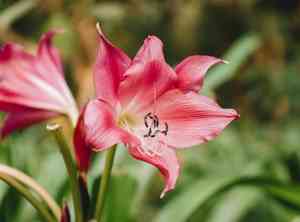
The ideal period for relocating belladonna lily is from late autumn to mid-winter, since its dormant state facilitates a smooth adjustment. Confirm that belladonna lily is situated in soil that drains effectively and receives adequate sunlight. During the relocation process, carefully manage its fragile root system to encourage robust development.
What Preparations are Needed Before Transplanting Belladonna Lily?
What is the Ideal Time for Transplanting Belladonna Lily?
For belladonna lily, the calm period between late fall and mid-winter is perfect for relocation. This timeframe allows belladonna lily to settle during cooler months, ensuring abundant blooms in the subsequent growing season. This crucial gardening step prepares belladonna lily for a display of beautiful flowers. Your belladonna lily will appreciate this advice!
How Much Space Should You Leave Between Belladonna Lily Plants?
To provide your belladonna lily ample room to develop, position your plants approximately 12-18 inches (30-45 cm) apart. This ensures they receive adequate sunlight and air circulation, helping them flourish in your garden.
What is the Best Soil Mix for Belladonna Lily Transplanting?
Prepare a well-draining soil mixture with a slightly acidic to neutral pH (6.0-7.0) for your belladonna lily. You can incorporate an organic, slow-release fertilizer such as compost or aged manure to enrich the soil, promoting vigorous growth.
Where Should You Relocate Your Belladonna Lily?
Select a spot with full sun or partial shade for your belladonna lily. It needs at least 4-6 hours of daily sunlight to grow well and produce lovely flowers. Ensure the location allows for proper spacing and drainage.
What Equipments Should You Prepare Before Transplantation Belladonna Lily?
Gardening Gloves
To protect your hands when handling soil and the belladonna lily plant.
Shovel or Spade
Required for digging trenches around belladonna lily, especially when removing it from the ground or creating a new planting hole.
Hand trowel
A smaller gardening tool for managing potted plants and delicate root systems.
Pruning Shears
To trim any damaged roots or foliage from the belladonna lily.
Garden Hose or Watering Can
For providing moisture to the belladonna lily after its relocation.
Wheelbarrow or Large Bucket
Useful for moving the belladonna lily from its original spot to its new planting location.
How Do You Remove Belladonna Lily from the Soil?
How Do You Remove Belladonna Lily from the Soil?
From Ground: Begin by watering your belladonna lily to slightly moisten the surrounding soil. Using your shovel or spade, dig a wide trench around the plant, being careful not to disturb or harm its root system. Slowly work the spade beneath the root ball to lift the plant from its initial position, ensuring the root ball stays as intact as possible.From Pot: If you are relocating a potted belladonna lily, start by watering the plant in its container to moisten the root ball. Invert the pot while holding the stem of your belladonna lily between your fingers. Gently tap the pot's rim on a firm surface until the plant and root ball slide out. Be cautious not to pull the stem or injure the plant.From Seedling Tray: If moving young belladonna lily from a seedling tray, use a dibber or a thin spatula to lift the seedling, along with its surrounding soil, out of the tray. Handle the seedling by its leaves rather than its stem to prevent damage.
Step-by-Step Guide for Transplanting Belladonna Lily
Root Preparation
Trim any damaged roots from the belladonna lily using pruning shears before transplanting.
Digging
Excavate a hole at the transplant site, which should be twice as wide and as deep as the existing root ball of your belladonna lily.
Placing the Plant
Carefully position the belladonna lily in the hole, ensuring the top of the root ball is level with the ground surface.
Soil Backfill
Gradually refill the hole with some soil to provide stability for the belladonna lily. Be careful not to cover the plant's stem with the backfill to prevent rot.
Watering
After transplanting, water the belladonna lily plant generously, ensuring the soil is thoroughly hydrated but not waterlogged.
How Do You Care For Belladonna Lily After Transplanting?
Careful Monitoring
After relocating your belladonna lily, closely observe the plant for indications of stress or wilting. If noticed, try shading the plant from direct sunlight for a few days to aid its recovery.
Regular Watering
For the initial weeks, ensure the soil around the plant remains consistently moist. However, avoid over-watering as it could lead to root rot.
Checking for Pests/Disease
While the belladonna lily plant is regaining its vigor, it might be more vulnerable to pests and diseases. Any sign of insect infestation or unusual discoloration on leaves should be addressed promptly.
Pruning
Remove any wilted or damaged foliage to help the belladonna lily direct its energy into new growth. Don't be discouraged if your plant sheds a few leaves initially, as this is a normal part of the transplanting process.
Troubleshooting Common Issues with Belladonna Lily Transplantation.
When is the best time to transplant belladonna lily?
The optimal period to move belladonna lily is from late autumn to mid-winter. This timing gives the plant the best possible start.
What's the ideal spacing when planting multiple belladonna lily?
To ensure healthy development and proper blooming, each belladonna lily bulb should be spaced approximately 12-18 inches (30-45 cm) apart from one another.
Are there specific soil conditions belladonna lily prefers for successful transplant?
Belladonna lily thrives in well-draining soil. If the soil is heavy clay, consider adding organic material to enhance its texture and drainage capabilities.
What to do if my transplanted belladonna lily doesn't bloom?
Ensure belladonna lily is receiving adequate light. Also, confirm your bulb isn't planted too deeply. The top third of the bulb should be above the soil surface.
Why are the leaves of my transplanted belladonna lily turning yellow?
Yellowing leaves might indicate overwatering. Make sure your belladonna lily is not sitting in waterlogged soil, and only water when the top inch of soil is dry.
Do I need to water belladonna lily immediately after transplanting?
Yes, but only a small amount. After relocation, water the belladonna lily sparingly until it shows signs of growth. Excessive watering can lead to bulb rot.
What's the optimal sunlight exposure for belladonna lily after transplanting?
Belladonna lily prefers full sun to partial shade. It's recommended that your freshly transplanted belladonna lily receives at least 6 hours of sunlight daily.
How deep should I plant the belladonna lily bulb?
Dig a hole deep enough so that the top one-third of the belladonna lily bulb remains above the soil surface. This encourages strong, healthy growth.
How can I protect my transplanted belladonna lily from pests and diseases?
Use organic mulch around the plant base to deter weeds and pests. Regularly inspect your belladonna lily for signs of disease or pests for prompt action.
Can I use fertilizers when transplanting belladonna lily?
Certainly! Apply a balanced, slow-release fertilizer at transplanting time to help the belladonna lily establish more quickly. However, don't overdo it – too much can harm the roots.



