How to Transplant Konjac?
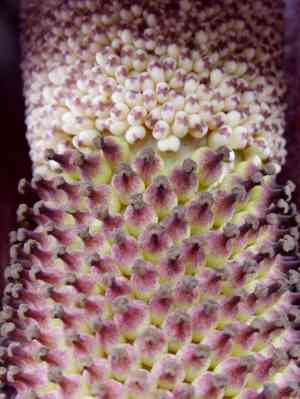
Relocate konjac during the vigor of early to mid-spring, promoting sturdy development. Select a dim spot with fertile, adequately draining earth. If separating, manage the corms with care to avoid harm, facilitating a smooth adjustment to their new surroundings.
Essential Preparations Before Relocating Konjac
Optimal Timing for Konjac Relocation?
The best period for moving konjac is from mid to late spring, as temperatures begin to rise. This timeframe allows konjac sufficient opportunity to establish its root system prior to the intense summer heat. By transplanting konjac now, it benefits from spring's gentle rainfall and cooler evenings, which are perfect for root development without the strain of harsh summer conditions. This strategic timing ensures konjac will flourish and the relocation process aligns with its natural growth cycle, facilitating a successful transition.
Recommended Spacing Between Konjac Plants?
For konjac transplants, an approximate spacing of 1-2 feet (30-60 cm) between each plant is ideal. This ensures each plant has adequate room to develop and thrive without competition. Pre-marking your planting area can simplify the process for novices.
Ideal Soil Mixture for Konjac Transplanting?
Konjac thrives in well-draining, sandy or loamy soil. Begin your preparation by loosening the soil. Then, incorporate a base layer of compost or a slow-release organic fertilizer into the soil. This will supply konjac with the vital nutrients necessary for its growth.
Where to Replant Your Konjac?
When relocating konjac, select a spot that receives some shade during the day, yet also a good amount of morning sunlight. Excessive direct sun can harm konjac, but it still requires light to prosper. Utilize the shade from structures or other plants to shield it from the midday sun.
Equipment Needed Before Transplanting Konjac?
Spade/Shovel
A shovel or spade is crucial for excavating the konjac from its original location. Ensure it is sharp and clean to protect the plant.
Gardening Gloves
To safeguard your hands while handling soil and the plant.
Trowel
A tool typically used for digging small holes, especially in firmer soil.
Watering Can
For irrigating the konjac after replanting to aid in root establishment.
Compost
To enrich the soil's health following the transplanting process.
Wheelbarrow
Useful for transporting the moved konjac.
How to Extract Konjac from the Ground?
How to Extract Konjac from the Ground?
From Ground: First, hydrate the konjac to moisten the soil surrounding the plant. It's best to do this the evening before the transplant. Then, using a clean, sharp spade, make cuts around the plant to form a circular trench roughly the same diameter as the anticipated root ball. Carefully work the spade beneath the root ball until you can safely lift the plant from its initial spot.From Pot: Start by gently inspecting the plant's sides and bottom for any roots emerging from the drainage holes. To remove the konjac, tilt the pot and gently support the plant's base, avoiding holding the stems. Depending on how root-bound it is, some light tapping may be necessary.From Seedling Tray: Water the tray thoroughly before transplanting. This helps the seedlings slide out more easily. Using a clean, small tool or your fingers, gently pry the konjac seedlings out, holding them by their leaves to prevent damage to the stem or roots.
Step-by-Step Guide for Konjac Transplanting
Preparation
Water the konjac sufficiently before you begin. This will reduce stress on the plant during the transplanting process. Also, prepare a hole in the ground appropriate for the size of your konjac root ball. The hole should be twice as wide and the same depth as the root ball.
Transplanting
After removing the konjac from its original spot, carefully place it into the hole. Avoid forcing the plant into the hole from the top, as this can harm the plant and its roots. Ensure the plant's level in the hole matches its original planting depth.
Firming In
Once the konjac is in the hole, backfill the hole with soil, gently pressing down to eliminate air pockets.
Watering
After the transplanting process is complete, water the konjac directly at its base to help it settle into its new location.
Composting
One week after transplanting, apply compost around the plant, but not touching the stem. This will provide nutrients to your konjac.
Post-Transplant Care for Konjac
Regular Inspections
Periodically check your konjac for signs of transplant shock, such as wilting foliage or discoloration. If these symptoms appear, take measures to aid your plant's recovery.
Watering
While overwatering can be detrimental, it's crucial to keep the soil consistently moist. Konjac will establish better with steady hydration. Note that watering frequency can be adjusted based on weather conditions.
Growth Observation
Monitor for new growth, as this is the clearest indication that your konjac has successfully adapted to its new environment. If no new growth is observed within a few weeks, seek advice from a local nursery or extension service.
Addressing Common Konjac Transplant Issues
When is the best time to transplant konjac?
The optimal period to transplant konjac is during its dormant phase, typically from late spring to early summer (S2-S3).
What is the recommended spacing between konjac plants when transplanting?
You should aim for a distance of approximately 1-2 feet (30-61 cm) between konjac plants to allow for proper growth and prevent overcrowding.
What is the appropriate transplantation depth for konjac?
Plant konjac so that the top of the tuber is 6 inches (about 15 cm) below the soil surface. This results in a more stable plant.
What type of soil is ideal for transplanting konjac?
Konjac prefers well-draining, loamy soil. However, it can tolerate a variety of soil types, as it is a robust and adaptable plant.
How should I water konjac after transplanting?
After transplanting, keep the soil moist but not waterlogged. Excessive watering can cause the bulbs to rot or lead to fungal diseases.
What's the best way to care for konjac post-transplant?
Maintain the plant at around 70-85°F (21-29°C). Regular watering and the application of a balanced fertilizer will contribute to its overall health.
Why did konjac wilt after being transplanted?
Transplant shock can cause wilting in konjac. Adequate watering, maintaining a stable temperature, and gradual exposure to full sun can aid recovery.
Can I transplant konjac in a pot?
Absolutely! Ensure the pot is at least 10 inches (25 cm) in diameter, filled with well-draining soil, and provides sufficient space for growth.
How can I prevent fungal growth after transplanting konjac?
To prevent fungal growth, avoid overwatering konjac and ensure the plant receives good air circulation. This helps keep the plant healthy and disease-free.
My transplanted konjac didn't flower as expected. What could be wrong?
Flowering in konjac is influenced by factors such as suitable temperature, adequate sunlight, and appropriate fertilization. Review these conditions for any potential errors.



