How to Transplant Pepper vine?
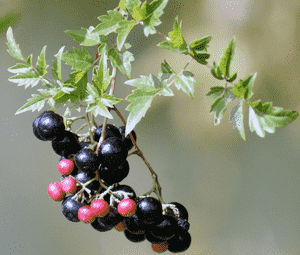
The ideal period for relocating pepper vine is during the crispness of early to mid-spring, providing a combination of moderate temperatures and revitalizing development phases. Place pepper vine in an area receiving filtered sunlight and adequately draining earth to foster vigorous well-being after transplantation. While the method is informal, confirm the new spot replicates the pepper vine's natural habitat for effortless adjustment.
What Preparations are Needed Before Transplanting Pepper Vine?
What is the Ideal Time for Transplanting Pepper Vine?
The optimal time for relocating pepper vine is during the onset of spring, typically early to mid-spring. This period leverages mild weather, allowing roots to establish before summer. The warm soil and increasing daylight in these spring months provide pepper vine an excellent growth boost post-transplant. A gentle spring climate minimizes transplant shock, giving pepper vine a strong start in its new location.
How Much Space Should You Leave Between Pepper Vine Plants?
Ensure adequate spacing for your pepper vine. Ideally, aim for each plant to have about 4-6 feet (1.2-1.8 meters) of room. This will enable them to thrive without overcrowding. Remember, they need space to develop!
What is the Best Soil Mix for Pepper Vine Transplanting?
Properly prepare the soil for your pepper vine. They prefer well-draining soil, ideally sandy or loamy. To establish a good base, incorporate a balanced fertilizer, such as a 10-10-10 (nitrogen-phosphorous-potassium) mix. This will give your plant an excellent beginning!
Where Should You Relocate Your Pepper Vine?
Identify the perfect spot for your pepper vine. They enjoy ample sunlight, so a location with full to partial sun exposure would be ideal. However, it should not be so intense as to cause your plant to wilt. A good balance is crucial!
What Equipments Should You Prepare Before Transplantation Pepper Vine?
Gardening Gloves
To safeguard your hands from thorns and dirt while handling the plant.
Spade or Shovel
For excavating around the plant in its original spot and creating a hole in the new location.
Trowel
Used for careful digging around the root ball and planting the pepper vine.
Wheelbarrow
To assist in moving the plant, especially if it's large or if the new site is distant.
Watering Can or Hose
To hydrate the plant before and after the transplanting process.
Stakes and Ties
To offer support to the pepper vine as it grows and becomes settled in its new position.
Garden Pruners or Shears
For trimming the pepper vine to maintain a manageable size during transplant.
How Do You Remove Pepper Vine from the Soil?
How Do You Remove Pepper Vine from the Soil?
From Ground: Thoroughly water the pepper vine plant to moisten the soil. Then, using a spade, dig a wide trench around the pepper vine plant to preserve the root ball as much as possible. Gently lift the plant from the ground with the root ball intact.From Pot: Start by watering the pepper vine plant in its container. Turn the pot sideways while carefully holding the plant at its base. Tap the pot's rim to loosen the soil and gently slide out the plant, keeping the root ball intact.From Seedling Tray: Water the seedling tray to dampen the soil. Gently remove the pepper vine seedling by lifting it from its base, trying to retain as much soil around the roots as possible.
Step-by-Step Guide for Transplanting Pepper Vine
Removal
Follow the preceding instructions to extract the pepper vine from its initial location.
Transport
Move the plant to its new site, ensuring the root ball remains undisturbed. Utilize a wheelbarrow if necessary.
New Site
Dig a hole twice as wide and deep as the pepper vine plant's root ball. Position the pepper vine in the hole, making sure the top of the root ball is level with the soil surface.
Planting
Backfill the hole with soil, lightly tamping to eliminate any air pockets. Water thoroughly after planting.
Support
Insert stakes into the ground and tie the plant if needed to ensure stability as it establishes itself.
How Do You Care For Pepper Vine After Transplanting?
Pruning
Regularly trim the pepper vine plant to maintain a manageable size and desired shape.
Watering
Water the pepper vine plant thoroughly immediately after transplanting, and consistently thereafter. Do not allow the soil to completely dry out. Adjust watering based on weather, watering less during rainy periods and more during dry spells.
Staking
Provide support to the pepper vine using stakes and ties. This helps the plant grow upright and minimizes the risk of damage.
Monitoring
Observe the plant for signs of stress post-transplant, such as wilting or yellowing leaves. If symptoms persist, consider consulting a local nursery or extension service for advice.
Troubleshooting Common Issues with Pepper Vine Transplantation.
When is the best period to transplant pepper vine?
Transplant pepper vine during the transition phase between the first and second seasons as it's typically the most suitable time.
Is there an ideal way to space pepper vine during transplanting?
Yes, maintain a distance of approximately 4 to 6 feet or 1.2 to 1.8 meters between each pepper vine plant when transplanting.
What soil condition does pepper vine prefer?
Pepper vine thrives best in well-drained, fertile soil. Incorporate compost or an organic soil amendment to enhance soil fertility.
How deep should I plant pepper vine during transplant?
Ensure pepper vine is planted at the same depth it was previously growing. Planting too deep can suffocate roots, while too shallow can lead to drying.
How much water is required after transplanting pepper vine?
Pepper vine needs frequent watering after transplanting until its roots establish. Water deeply to encourage root growth, but avoid waterlogging.
What should I do if I notice wilting after transplanting pepper vine?
Wilting can be a sign of transplant shock. Keep the soil adequately moist, provide shade, and refrain from over-fertilizing during this period.
Does pepper vine require any special care during transplant?
Enrich the planting hole with compost, keep the plant well-hydrated, and consider mulching to retain soil moisture and deter weeds.
How can I prevent transplant shock in pepper vine?
Attempt to transplant in cool, overcast weather and water thoroughly. Also, prune the plant back by one-third to reduce water demand.
Can I transplant a mature pepper vine?
Yes, although younger plants establish more quickly and easily. Mature plants necessitate more careful digging and replanting.
Why is pepper vine not growing after the transplant?
Ensure it receives proper sunlight, water, and nutrients. Remember that plants may take some time to recover from transplant shock.



