How to Transplant Eastern bluestar?
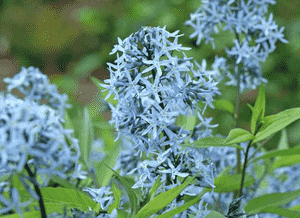
The most favorable period for relocating eastern bluestar is in the heart of early spring, enabling the plant to become rooted prior to the onset of high temperatures. Select a site featuring soil that drains effectively and receives sunlight ranging from full to partial. Carefully untangle the roots if needed to foster robust development. Bear in mind, the precise timing of transplantation is vital for the thriving of eastern bluestar!
What Preparations are Needed Before Transplanting Eastern Bluestar?
What is the Ideal Time for Transplanting Eastern Bluestar?
When the year begins anew, specifically during the rejuvenating period of early spring, eastern bluestar should be relocated. During these budding days, the ground has thawed but isn't excessively warm, creating prime conditions for growth. Additionally, moving eastern bluestar at this time can ensure better acclimation and a successful bloom, a true delight for your garden! So, engage your gardening skills and utilize this period for a magnificent floral display!
How Much Space Should You Leave Between Eastern Bluestar Plants?
For eastern bluestar, it's best to provide ample room for development. Aim for a separation of approximately 3 feet (about 91 cm) when replanting. This distance will allow them to fully thrive and create an attractive presentation in your garden.
What is the Best Soil Mix for Eastern Bluestar Transplanting?
To prepare the optimal soil for eastern bluestar, combine well-draining, loamy or sandy soil with organic material such as compost or aged manure. Incorporate a slow-release, balanced fertilizer (e.g., 10-10-10) into the planting hole to give your plant the best possible start.
Where Should You Relocate Your Eastern Bluestar?
Select a spot for eastern bluestar that receives full sun to partial shade, with at least 4-6 hours of direct sunlight daily. This plant can endure some shade, so don't worry if your garden has a mix of bright and shaded areas.
What Equipments Should You Prepare Before Transplantation Eastern Bluestar?
Gardening Gloves
To safeguard your hands while handling soil and plants.
Trowel
To efficiently excavate holes and move your eastern bluestar plant.
Spade
Useful for larger plants and breaking up turf.
Gardening Pruning Shears
For precise shaping of your eastern bluestar plant.
Garden Fork
To loosen, lift, and turn over soil in your planting area.
Watering Can
For gently providing moisture to the eastern bluestar plant.
How Do You Remove Eastern Bluestar from the Soil?
How Do You Remove Eastern Bluestar from the Soil?
From Ground: Begin by watering your eastern bluestar plant to moisten the soil. This will allow the roots to slide out easily. Dig around the plant with your spade, making sure to maintain a safe distance to avoid damaging the roots. Lift the plant slowly while trying your best to keep the roots intact.From Pot: Turn your pot on its side, gently support the eastern bluestar plant with one hand, and lightly tap to release the plant. If it's resistant, roll the pot so the plant can loosen and slip out.From Seedling Tray: Carefully hold the eastern bluestar plant at its base, and gently pull while pushing the bottom of the tray. If it proves difficult, you can use a stick to push it out from below.
Step-by-Step Guide for Transplanting Eastern Bluestar
Prep the Hole
Excavate a hole twice as wide and as deep as the root ball of your eastern bluestar plant. Return some of the loose soil to the hole to create a mound. The crown (where the stem and roots meet) should be level with or slightly above the ground surface.
Inspect the Roots
Untangle any circling roots and gently separate any dense root masses to encourage the roots to spread into the soil.
Plant Placement
Position the eastern bluestar plant in the hole ensuring it is upright. Backfill the hole with soil and firm it around the base of the plant to eliminate air pockets.
Watering
Water thoroughly after transplanting. This aids in settling the soil around the roots.
How Do You Care For Eastern Bluestar After Transplanting?
Pruning
Once the eastern bluestar plant has been in the ground for approximately a week, consider trimming back the top growth by one-third. This will promote root development and prevent leggy stems.
Mulch
Apply a layer of mulch around the base of the plant to help retain moisture, but keep it from touching the stem bases to prevent rot.
Watering
Regularly irrigate your eastern bluestar plant, keeping the soil moist but not waterlogged. Until it establishes, daily watering might be necessary. Once it's more mature, reduce watering frequency to 1-2 times weekly.
Troubleshooting Common Issues with Eastern Bluestar Transplantation.
When is the best time to transplant eastern bluestar?
Early spring is the ideal period to relocate eastern bluestar. At this stage, the plant can recover quickly, and cooler temperatures can lessen transplant shock.
What distance should I maintain between each eastern bluestar during transplanting?
Provide each eastern bluestar with its own space; a good spacing measure is 3 feet (about 0.91 meters). This allowance ensures adequate root expansion and healthy growth.
How deep should the hole be for transplanting eastern bluestar?
The transplant hole should generally be twice as wide and as deep as the root ball of your eastern bluestar plant. This ensures proper anchoring and root development.
What kind of soil preparation is required before transplanting eastern bluestar?
Eastern bluestar prefers well-draining soil enriched with organic matter. Before transplanting, make sure to loosen the soil and mix in some compost for healthier growth.
What should be the aftercare for eastern bluestar post-transplant?
Water the plant thoroughly after transplanting. Continue to hydrate it moderately but regularly. Monitor it to ensure it's adapting well to its new location.
Does eastern bluestar need immediate sunlight after transplant?
Eastern bluestar thrives in full sun to partial shade. However, protect it from harsh afternoon sunlight, especially immediately after transplanting, to reduce potential stress.
How to rectify if the leaves of eastern bluestar are turning yellow after transplanting?
Yellow leaves could indicate overwatering or a lack of nutrients. Check the soil moisture, allow it to dry out if waterlogged, and consider feeding it with a balanced fertilizer.
What precautions should I take while removing eastern bluestar from the existing position?
Dig around the roots of eastern bluestar, ensuring not to harm them. Gently lift the entire root ball and avoid breaking it. This helps the plant recover quickly post-transplant.
Why is my transplanted eastern bluestar showing stunted growth?
Stunted growth can be due to shock, insufficient water, or nutrient deficiency. Ensure proper care, provide consistent moisture, and a balanced fertilizer to boost its growth.
Can I transplant eastern bluestar in a container?
Certainly! Eastern bluestar can be planted in a pot with adequate drainage. Just ensure the container is spacious enough to accommodate the plant's growth and watering requirements.



