How to Transplant Big Bluestem?
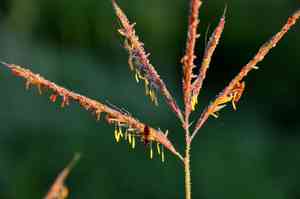
The ideal time for transplanting big Bluestem is in the spring, when moderate temperatures and longer days support root development. Select a bright spot with soil that drains effectively. To ensure the best outcome, keep the soil consistently moist after moving the plant, but avoid saturating it.
What Preparations are Needed Before Transplanting Big Bluestem?
What is the Ideal Time for Transplanting Big Bluestem?
The prime period for relocating big Bluestem is the spring season. This timing allows big Bluestem to establish its root system prior to summer's warmth. Transplanting in spring ensures big Bluestem benefits from optimal growth conditions, leveraging the moist soil and cooler temperatures. Friendly tip: a springtime move for big Bluestem promises a lush, robust stand by summer!
How Much Space Should You Leave Between Big Bluestem Plants?
Provide ample room for your big Bluestem! Position each one approximately 2-3 feet (60-90 cm) apart. This will give the plants sufficient area to develop and thrive without competing for resources.
What is the Best Soil Mix for Big Bluestem Transplanting?
Your big Bluestem will thrive in sandy, well-drained soil. Enhance the soil with some compost or a foundational fertilizer to supply nutrients for the young plants. Remember, fertilizer acts as vitamins, not food, for plants!
Where Should You Relocate Your Big Bluestem?
Select a site that receives full sun where your big Bluestem will get at least 6 hours of direct sunlight. As they mature, these plants will form a tall, dense stand that resists wind and drought.
What Equipments Should You Prepare Before Transplantation Big Bluestem?
Gardening Gloves
To provide defense against minor cuts, scrapes, and soil debris while handling the plant and its parts.
Shovel or Garden Spade
For excavating an appropriate hole in the ground at the new planting location and to assist in removing the big Bluestem from its original spot.
Watering Can
To hydrate the big Bluestem before and after transplantation to alleviate stress.
Wheelbarrow or Garden Cart
For moving the big Bluestem plant from its initial position to the new planting site, especially if the distance is considerable.
Organic Mulch
To help the soil retain moisture post-transplanting, which promotes root development and minimizes transplant shock.
Root Pruner
To trim any damaged roots before relocating the plant.
How Do You Remove Big Bluestem from the Soil?
How Do You Remove Big Bluestem from the Soil?
From Ground: Start by thoroughly watering the big Bluestem plant to moisten the soil around its roots, making extraction easier. Using your shovel or garden spade, carefully dig a wide circle around the plant, taking care not to harm the root system. Pry the spade beneath the root ball, then gently lift the big Bluestem plant out of the ground.From Pot: Water your big Bluestem plant, then turn the pot on its side while holding your hand over the soil surface, with your fingers gently spread around the stem for support. Carefully pull on the stem base until the plant comes loose, keeping the root ball intact.From Seedling Tray: Moisten the seedlings to ensure the soil stays together. Gently lift the big Bluestem seedling by the leaves, not the stem, to avoid damaging the plant. Loosen the cell soil edges with a knife if necessary and then lift the seedling out, preserving the root ball's integrity.
Step-by-Step Guide for Transplanting Big Bluestem
Prepare New Site
Begin by digging a hole at the transplant site. It should be wide and deep enough to comfortably accommodate the big Bluestem's root ball. The hole's width should be twice that of the root ball and as deep as the root ball's height.
Root Inspection
Examine the root system for any indications of damage or stress. Trim off any compromised roots using a root pruner.
Insert Plant
Position the big Bluestem in the center of your prepared hole. The plant should be at the same depth it was growing in its original location. Backfill around the root ball with excavated soil, gently pressing it down as you proceed.
Water
After planting, thoroughly water the big Bluestem. This will settle the soil around the roots and aid the plant in its initial stages in the new location.
Mulching
Apply mulch around the base of your newly transplanted big Bluestem to help retain moisture and regulate soil temperature.
How Do You Care For Big Bluestem After Transplanting?
Pruning
You can slightly reduce the top growth of the big Bluestem after transplanting to compensate for root loss. This helps the plant focus resources on new root development.
Watering
Water the big Bluestem regularly for the first few weeks until it is well-established. The soil should remain consistently moist, but be careful not to overwater and cause root rot.
Monitoring
Look out for any signs of stress such as wilting or yellowing leaves. If you notice these indicators, consider adjusting your care routine. Continuously check the soil's moisture levels as well.
Frost Protection
If transplanting occurs in fall, shield your big Bluestem from potential frost by applying an additional layer of mulch.
Troubleshooting Common Issues with Big Bluestem Transplantation.
When is the optimal time to transplant big Bluestem?
The best times to transplant big Bluestem are between early spring and mid-summer. This allows big Bluestem sufficient time to settle and establish its roots before the colder season.
What is the recommended spacing when transplanting big Bluestem?
When transplanting big Bluestem, ensure a distance of approximately 2-3 feet (0.6 - 0.9 meters). This space provides big Bluestem room to grow and thrive without competition from nearby plants.
Should I consider the size of big Bluestem while transplanting it?
Yes, accounting for big Bluestem's mature size is vital to accommodate its future growth. Allow space for it to reach up to 6 feet (1.8 meters) tall.
What kind of soil is best for big Bluestem to thrive?
Big Bluestem prefers well-draining soil with a neutral to slightly acidic pH. This aids the plant in absorbing necessary nutrients and water effectively.
How much sunlight does big Bluestem require after transplanting?
Big Bluestem needs full sunlight to grow optimally after being transplanted. Ensure your planting location receives at least 6 hours of direct sunlight daily.
What could cause yellowing leaves in big Bluestem after transplantation?
Yellowing leaves might be due to overwatering, poor drainage, or insufficient sunlight. Make sure that your big Bluestem is getting enough sunlight and is not waterlogged.
How much should I water big Bluestem post-transplant?
After transplanting big Bluestem, water it thoroughly, then limit watering to when the top inch (2.5 cm) of soil is dry. Excessive water could lead to root problems.
What type of fertilizer should I use for big Bluestem?
Using a balanced, slow-release fertilizer will provide your big Bluestem with the nutrients it needs to grow strong. Apply according to package instructions in the spring.
When should I avoid transplanting big Bluestem?
Avoid transplanting big Bluestem during extreme weather conditions like the peak heat of mid-summer or the freezing temperatures of winter. This could cause undue stress to the plant.
How can I ensure successful transplantation for big Bluestem?
For successful transplantation, ensure good soil, sunlight, and water. Also, transplant during the suggested time, and maintain an appropriate gap between each plant.



