How to Transplant Dill?
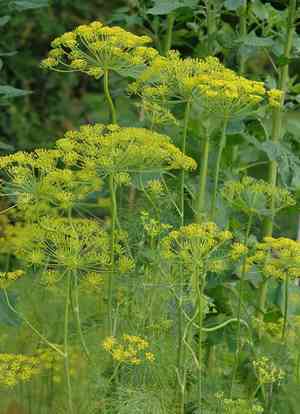
The optimal period for transplanting dill is mid-spring, offering a combination of moderate warmth and extended daylight hours conducive to vigorous development. Select a location bathed in sunlight with soil that drains effectively. Should dill begin its life indoors, handle its root system with care throughout the transfer process.
What Preparations are Needed Before Transplanting Dill?
What is the Ideal Time for Transplanting Dill?
The best time to move dill is in mid-spring, after the last frost but before intense summer heat. This period allows the plant's delicate roots to settle in cool, stable conditions without temperature extremes. Relocating dill during this window promotes strong growth, leveraging the upcoming long, sunny days. A successful spring transplant ensures a plentiful dill harvest!
How Much Space Should You Leave Between Dill Plants?
Begin by preparing the ground for your dill transplant. Given dill's growth habits, a spacing of approximately 1-2 feet (30-60 cm) between each plant is recommended. This distance will provide ample room for them to thrive.
What is the Best Soil Mix for Dill Transplanting?
For transplanting dill, we suggest a loamy soil enriched with organic compost as a foundational fertilizer. This fertile, well-draining soil will maintain your dill's health and encourage increased growth.
Where Should You Relocate Your Dill?
When it comes to planting your dill, they absolutely love light! Choose a spot in your garden that receives full daily sunlight. This way, your dill can absorb the essential sun rays it needs to grow.
What Equipments Should You Prepare Before Transplantation Dill?
Gardening Gloves
To safeguard your hands while handling soil and the plant.
Garden Trowel
To assist in gently extracting the plant from its initial spot.
Shovel or Spade
Essential for digging the transplant hole and refilling it.
Watering Can or Hose
To hydrate your dill both before and after relocation.
Wheelbarrow or Container
A secure place to hold your dill while preparing its new planting area.
Garden Pruners
These might be necessary to trim any damaged or dead sections of the dill.
How Do You Remove Dill from the Soil?
How Do You Remove Dill from the Soil?
From Ground: Water dill beforehand to moisten the soil. Using a spade or shovel, dig a wide trench around the plant, ensuring the root ball remains intact. Then, carefully work the spade beneath the root ball, gently lifting the plant.From Pot: If your dill is in a pot, watering before transplanting can facilitate removal. Invert the pot, supporting the plant gently with your hand; the entire plant, including its root ball, should slide out.From Seedling Tray: First, water the dill in the tray. With a garden trowel, carefully loosen the soil around the plant's base, then gently lift the plant by its leaves or stem.
Step-by-Step Guide for Transplanting Dill
Preparation
Prepare the new site by digging a hole approximately twice the width of the dill's root ball and of equal depth. This ensures the roots have ample room to begin spreading in their new environment.
Placement
Position the dill in the center of the hole, making sure the top of the root ball is level with the ground surface. Avoid planting too deeply, as this can harm the plant.
Backfilling
Gently refill the hole, firming the soil around the dill as you proceed to eliminate air pockets.
Watering
Water dill generously immediately after transplanting to help settle the soil and encourage the development of new roots.
How Do You Care For Dill After Transplanting?
Watering
Maintain consistent moisture in the soil around the dill, but avoid waterlogging. Excessive water can be as detrimental as insufficient water.
Pruning
Remove any unhealthy or dead foliage. This allows the dill to direct its energy towards new growth instead of maintaining damaged parts.
Checking
Regularly inspect for signs of pests or diseases. Early detection is crucial for prevention.
Positioning
Ensure the dill is not overshadowed by taller plants nearby. It requires space to grow and breathe.
Troubleshooting Common Issues with Dill Transplantation.
When is the ideal time to transplant dill?
The optimal period for transplanting dill is during late spring to early summer (S2-S3). Transplanting at this time provides the plant with a strong start.
What is the optimal space needed between each dill?
Provide each dill plant with ample space, ideally 1-2 feet (30-60 cm), to ensure they have sufficient room to grow and thrive.
Why does my transplanted dill look wilted despite frequent watering?
Over-watering can cause wilting. Dill prefers well-drained soil. Ensure the plant is not sitting in water and that the soil drains effectively.
How deep should I plant dill seedlings during transplantation?
Plant dill seedlings at the same depth they were originally growing. The seedling's uppermost leaves should be just above the soil level.
What type of container is suitable for dill transplantation?
Choose a deep pot to accommodate dill's taproot system. Ensure the container has good drainage to prevent waterlogging and subsequent root damage.
Should I fertilize dill after transplantation?
Yes, a light application of a balanced fertilizer can help dill establish more quickly. However, do not over-fertilize as excessive nutrients can harm the plant.
What if my transplanted dill isn't growing well?
Verify if dill is receiving adequate light and if the soil's pH level is between 5.5 and 6.5, which is the ideal range for dill growth.
Can I transplant dill in any soil type?
Dill thrives in well-drained, slightly acidic to neutral pH soil. Before planting, amend the soil with compost or organic material to enrich it.
Why are the leaves of my transplanted dill yellowing?
Yellowing leaves may indicate overwatering, poor drainage, or a nutrient deficiency. Review your watering routine and consider a soil nutrient test.
What sunlight requirements does dill need after transplanting?
Dill prefers full sun but can tolerate partial shade. Ensure your plant receives at least 6 hours of sunlight, ideally from morning to early afternoon.



