How to Transplant Japanese angelica tree?
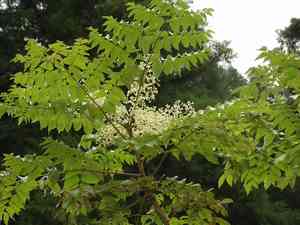
The ideal period for relocating japanese angelica tree is from the pleasant temperatures of late spring through mid-summer, enabling root systems to settle without enduring harsh conditions. Select a site featuring fertile, damp earth and partial sunlight. Careful manipulation during the move reduces transplant stress, facilitating an effortless adaptation.
What Preparations are Needed Before Transplanting Japanese Angelica Tree?
What is the Ideal Time for Transplanting Japanese Angelica Tree?
The best time to move japanese angelica tree is from late spring to early summer. This timing allows the plant to settle in before the active growing season.
How Much Space Should You Leave Between Japanese Angelica Tree Plants?
When relocating your japanese angelica tree, ensure each plant is spaced approximately 8-10 feet (2.4-3 meters) apart. This provides ample room for their development and spread!
What is the Best Soil Mix for Japanese Angelica Tree Transplanting?
For transplanting japanese angelica tree, select a soil type that drains well, ideally loamy or sandy. Incorporate a base fertilizer rich in organic matter to create a nourishing foundation for your plant.
Where Should You Relocate Your Japanese Angelica Tree?
Choose a location with partial to full sun exposure for your japanese angelica tree. They thrive in sunlight but can also endure some shade. Enjoy observing your plant flourish in its new spot!
What Equipments Should You Prepare Before Transplantation Japanese Angelica Tree?
Shovel
To excavate a hole of appropriate dimensions in your garden and lift the japanese angelica tree plant.
Watering Can or Hose
To thoroughly hydrate the plant both prior to and following transplantation.
Gardening Gloves
To safeguard your hands while handling the soil and the japanese angelica tree plant.
Wheelbarrow or Container
To move the japanese angelica tree plant from its current position to its new site.
Gardening Trowel
To assist in gently positioning the japanese angelica tree plant into its new hole and covering its roots with soil.
Secateurs or Pruning Shears
To remove any broken or damaged roots before the transplant.
How Do You Remove Japanese Angelica Tree from the Soil?
How Do You Remove Japanese Angelica Tree from the Soil?
From Ground: First, water the japanese angelica tree plant to moisten the soil. Then use a shovel to dig a wide circle around the plant, keeping the root ball intact. Carefully work the shovel beneath the root ball until you can lift the plant from its original spot.From Pot: Start by watering the plant. Invert the pot and gently shake or tap it to help the japanese angelica tree slide out. It's crucial not to pull the plant by its stem to prevent damage.From Seedling Tray: Water the tray, then apply gentle pressure to the base of each cell to push the seedling upward. Be careful not to harm the stem or roots when removing the japanese angelica tree from its cell.
Step-by-Step Guide for Transplanting Japanese Angelica Tree
Digging
Using your shovel, dig a hole that is twice as wide and similar in depth to the japanese angelica tree's root ball in your chosen location.
Preparation
Inspect the plant's roots and remove any broken or dead ones using secateurs.
Placement
Position the japanese angelica tree plant in your excavated hole, ensuring the top of the root ball is level with the ground surface.
Backfilling
Gently refill the hole with soil. Cover the japanese angelica tree's roots and lightly compact the soil to eliminate any air pockets.
Watering
Water the japanese angelica tree plant generously immediately after transplanting.
How Do You Care For Japanese Angelica Tree After Transplanting?
Mulching
Apply a layer of organic mulch around japanese angelica tree to help retain moisture, suppress weeds, and regulate soil temperature. This layer should be 2-3 inches deep and kept away from the stem.
Regular Watering
Water japanese angelica tree consistently, but avoid overwatering. The soil should remain moist, but not waterlogged.
Pruning
Lightly prune japanese angelica tree to encourage new growth post-transplant. Limit aggressive pruning to strengthen its root system.
Checking
Always inspect japanese angelica tree for signs of transplant shock, such as wilting, yellowing, or drooping. If these symptoms appear, use a transplant shock reducer available at gardening stores.
Troubleshooting Common Issues with Japanese Angelica Tree Transplantation.
When is the best time to transplant japanese angelica tree?
It's optimal to move japanese angelica tree during its dormant phase, typically from late summer to early autumn (stages S3-S5).
What kind of spacing is ideal when transplanting japanese angelica tree?
Japanese angelica tree requires ample room to thrive. Provide a generous 8-10 feet (2.4-3 meters) spacing between each plant.
What should I look for in a new planting site for japanese angelica tree?
Select a location with rich, well-drained soil and partial to full sun. Japanese angelica tree can tolerate some shade, but flourishes best in sunny conditions.
How deep should I plant japanese angelica tree when transplanting?
Dig a hole as deep as the root ball of japanese angelica tree and twice its width. This ensures the roots have sufficient space to establish.
How do I properly care for japanese angelica tree after transplanting?
Water it thoroughly immediately after transplanting, and continue regular watering during the first year. This helps japanese angelica tree develop a robust root system.
Why are my transplanted japanese angelica tree's leaves turning yellow?
Yellow leaves might indicate over-watering or poor drainage. Ensure your plant is not sitting in water and that the soil drains effectively.
What should I do if my transplanted japanese angelica tree shows no growth?
If japanese angelica tree shows no growth several weeks after being transplanted, it may be experiencing shock. Consider applying a balanced fertilizer to stimulate growth.
Why does my transplanted japanese angelica tree have stunted growth?
Stunted growth in japanese angelica tree could be due to poor soil conditions, insufficient water, or disease. Regular feeding, watering, and pest inspection may help.
Can I transplant japanese angelica tree in a container?
Yes, japanese angelica tree can be cultivated in containers, but remember to provide ample space for root growth and ensure good water drainage.
Why does my transplanted japanese angelica tree look wilted?
Post-transplant shock might be the cause. Water the plant adequately and ensure it receives the correct amount of sunlight. Avoid sudden temperature changes.



