How to Transplant Devil's walking stick?
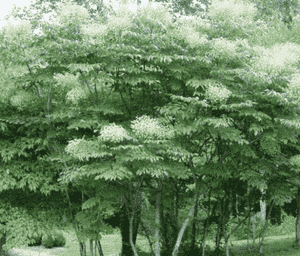
The ideal period for transplanting devil's walking stick is in the early spring, since the warmth following winter encourages the development of roots. Select a location that receives filtered sunlight and possesses soil with good drainage. During the transplanting process, ensure the roots remain hydrated and are protected from direct sun exposure at first.
What Preparations are Needed Before Transplanting Devil's Walking Stick?
What is the Ideal Time for Transplanting Devil's Walking Stick?
The prime period for relocating devil's walking stick is the spring season. This timeframe, with its mild temperatures and moist ground, offers an optimal environment for root establishment, fostering robust growth as summer approaches. Choosing this season for moving devil's walking stick aligns with its natural growth cycle, ensuring a smooth transition to its new spot. Following this recommended practice can result in a strong, thriving devil's walking stick, providing a sense of achievement and connection with nature's rhythms.
How Much Space Should You Leave Between Devil's Walking Stick Plants?
When planning to move your devil's walking stick, ensure ample spacing. Ideally, aim for 8-10 feet (2.44-3.05 meters) between each plant. This will provide your devil's walking stick sufficient room to thrive without competition.
What is the Best Soil Mix for Devil's Walking Stick Transplanting?
Devil's walking stick is adaptable and can grow in various soil types. However, for optimal results, prepare well-drained, fertile soil enriched with organic matter or a base fertilizer. It flourishes in soil with a neutral to slightly acidic pH.
Where Should You Relocate Your Devil's Walking Stick?
The perfect spot for transplanting your devil's walking stick is an area that receives full sun to partial shade. While it tolerates diverse conditions, some afternoon shade can help prevent potential leaf burn.
What Equipments Should You Prepare Before Transplantation Devil's Walking Stick?
Gardening Gloves
To safeguard your hands while handling soil and devil's walking stick.
Shovel or Spade
Essential for excavating devil's walking stick from its original site and for digging a hole in the new location.
Wheelbarrow or Tarp
For moving devil's walking stick from its current spot to the new planting area without harming the roots.
Watering Can or Hose
To thoroughly moisten the soil in the new location after planting.
Mulch
To apply around the base of devil's walking stick post-transplant to help retain moisture and suppress weeds.
Pruning Shears
To trim any broken or dead branches on devil's walking stick.
How Do You Remove Devil's Walking Stick from the Soil?
How Do You Remove Devil's Walking Stick from the Soil?
From Ground: To extract devil's walking stick from the ground, first, dampen the soil to facilitate digging. Using a shovel or spade, carefully loosen the soil around the plant without harming the roots. Work the shovel beneath the root ball, gently lifting it out. Be cautious not to damage the root system as you remove the plant from the soil.From Pot: If devil's walking stick is in a pot, tilt the pot on its side and carefully ease the plant out, avoiding pulling directly on the stem. Ensure the root ball remains intact. If the plant is stuck, use a gardening knife to loosen the soil and roots along the pot's edge.From Seedling Tray: To transplant seedlings, use a tool or your fingers to loosen the soil around the roots, then gently lift the seedling by its leaves or root ball, always keeping the delicate roots undamaged.
Step-by-Step Guide for Transplanting Devil's Walking Stick
Preparation
Ensure your new planting site is ready by digging a hole twice as wide and deep as the devil's walking stick's root ball. Do this before you begin digging up devil's walking stick to prevent its roots from being exposed for too long.
Removal
Gently extract devil's walking stick from its current spot using the method above that suits your situation.
Placement
Carefully position devil's walking stick in the prepared hole. The top of the root ball should be level with or slightly above the surrounding soil to prevent water accumulation at the base.
Firm the Soil
After placing the plant, backfill the hole with soil, compacting it around the root ball. Ensure there are no air pockets, as these can cause roots to dry out.
Watering
Water devil's walking stick immediately after planting. This will help settle the soil around the root ball.
How Do You Care For Devil's Walking Stick After Transplanting?
Maintenance
Regularly inspect devil's walking stick after transplanting to ensure it is healthy and thriving. Watch for signs of stress like wilting or yellowing leaves, which could indicate watering issues or disease.
Watering
While devil's walking stick is establishing its roots in the new location, it's crucial to ensure it receives sufficient water. The soil should remain moist, but not waterlogged.
Pruning
Trim any dead, damaged, or excessive growth on devil's walking stick immediately after transplanting. This allows the plant to focus its energy on developing strong roots. Regular pruning also promotes denser growth.
Troubleshooting Common Issues with Devil's Walking Stick Transplantation.
When is the optimal time to transplant devil's walking stick?
The best time to move devil's walking stick is during S1-S3, from late winter to early spring.
How much space should we ensure between devil's walking stick plants?
It's advisable to give devil's walking stick ample room to spread, so space them approximately 8-10 feet (2.4 - 3 meters) apart.
How deep should I dig to transplant devil's walking stick?
Dig a hole that's twice as wide and as deep as the root ball. Ensure the root collar is level with the soil surface.
Why is my transplanted devil's walking stick wilting?
Wilting after transplant is often a sign of transplant shock; water it thoroughly and shield it from intense sun and strong winds.
What soil type is best for transplanting devil's walking stick?
Devil's walking stick isn't particular about soil, but it prefers well-draining, slightly acidic soil. Enrich it with organic material before planting.
Do I need to prune devil's walking stick when transplanting?
Yes, you should prune devil's walking stick significantly when transplanting. This helps the plant direct its energy towards root development.
What's the best method to water devil's walking stick after transplanting?
Water devil's walking stick deeply after transplanting, then maintain a consistent watering schedule. Avoid waterlogging, which can lead to root rot.
Why are my transplanted devil's walking stick's leaves turning yellow?
Yellow leaves can indicate overwatering or a nutrient deficiency. Check the soil's moisture level and fertilize the plant with an all-purpose feed.
How can I prevent transplant shock in devil's walking stick?
Water it well before and after transplanting, protect it from severe weather conditions, and don't rush to prune it until it's stable.
Can I transplant devil's walking stick during summer months?
It's not ideal to transplant devil's walking stick during hot summer months as it can further stress the plant and cause transplant shock.



