How to Transplant Norfolk island pine?
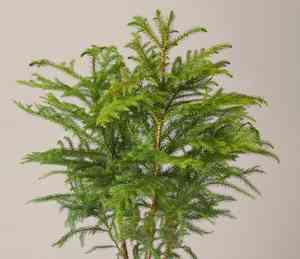
The optimal period for relocating norfolk island pine spans from mid-fall to the end of winter, since the lower temperatures foster root establishment. Select a brightly lit spot and steer clear of overly saturated ground. Be sure to manage this fragile specimen gently throughout the repotting procedure!
What Preparations are Needed Before Transplanting Norfolk Island Pine?
What is the Ideal Time for Transplanting Norfolk Island Pine?
The optimal period to relocate your norfolk island pine spans from mid-autumn to late winter. This timeframe is suitable as it allows norfolk island pine ample opportunity to establish its root system prior to spring's vigorous growth. Transplanting during this season offers the added advantage of the plant being dormant or semi-dormant, thereby minimizing the risk of transplant shock. This strategic timing sets the foundation for more robust, healthier development once spring arrives. So, prepare your tools for a successful transplanting season!
How Much Space Should You Leave Between Norfolk Island Pine Plants?
When relocating your norfolk island pine, provide each plant ample room to expand! Aim for a separation of 72-84 inches (183-213 cm), enabling them to spread their branches and cultivate a strong root system.
What is the Best Soil Mix for Norfolk Island Pine Transplanting?
To prepare the soil for your norfolk island pine, utilize a well-draining soil blend with a slightly acidic pH level (6.0-6.5). Incorporate organic compost or a slow-release granular fertilizer to supply essential nutrients throughout the growing season.
Where Should You Relocate Your Norfolk Island Pine?
Select a site for your norfolk island pine that receives partial to full sunlight, ideally 4-6 hours of direct sun daily. This will ensure the best possible development and provide the necessary light for your plant to flourish.
What Equipments Should You Prepare Before Transplantation Norfolk Island Pine?
Gardening Gloves
Your hands will directly contact soil and plant material, so gloves offer protection and cleanliness.
Shovel or Spade
These tools are used to excavate the norfolk island pine from its current spot and prepare the new planting area.
Watering Can
You'll need to hydrate the norfolk island pine before and after relocation to encourage root growth.
Garden Trowel
This smaller hand tool is useful for carefully digging around roots, especially when extracting the plant from a pot or seedling tray.
Wheelbarrow or Bucket
For transporting the norfolk island pine from its original location to the new site, preventing damage to the root ball or the plant itself.
How Do You Remove Norfolk Island Pine from the Soil?
How Do You Remove Norfolk Island Pine from the Soil?
From Ground: First, ensure the soil is moist but not overly wet, which could cause the root ball to disintegrate. Use a spade or shovel to dig a trench around the norfolk island pine, aiming to keep the root ball intact. Gradually work the spade beneath the root ball, lifting carefully to avoid root breakage.From Pot: Water the norfolk island pine thoroughly before transplanting. Gently turn the pot sideways, tap the rim on a firm surface to loosen the root ball, then slide the plant out. Avoid pulling on the plant stem.From Seedling Tray: Water the tray, then carefully push the plant up from the bottom. Ensure you hold the seedling by its leaves, not the stem, to prevent harm.
Step-by-Step Guide for Transplanting Norfolk Island Pine
Preparation
Water the norfolk island pine thoroughly before removing it from its current spot. This helps keep the root ball cohesive.
Digging
Excavate a hole at the new site, approximately twice the width and equal to the depth of your norfolk island pine's root ball.
Planting
Position the norfolk island pine in the hole, ensuring the top of the root ball is level with the ground surface. Backfill the hole with soil, gently firming around the plant's base.
Watering
Hydrate the plant immediately after relocation. The soil should be uniformly moist, not waterlogged.
Monitoring
Regularly check on the newly transplanted norfolk island pine, especially during the initial weeks, to ensure it is adapting well to its new environment.
How Do You Care For Norfolk Island Pine After Transplanting?
Root Care
It's crucial to maintain consistent soil moisture in the weeks following relocation, as the norfolk island pine establishes its root system.
Feeding
Wait at least one month before initiating any fertilization routine to prevent root burn. A balanced, slow-release fertilizer is recommended.
Monitoring
Watch for any indications of stress or damage. Slight wilting or yellowing in the first few days is normal. However, if these issues persist beyond two weeks, consult a local nursery or extension service for guidance.
Pruning
Minor pruning may be necessary to shape the tree or remove any damaged branches. Keeping the norfolk island pine well-pruned also aids in warding off pests and diseases.
Troubleshooting Common Issues with Norfolk Island Pine Transplantation.
When is the most suitable time to transplant norfolk island pine?
The optimal periods to commence relocating your norfolk island pine are from mid-autumn to late winter. Following this, allow natural winter dormancy to care for the plant.
What distance should I keep between two norfolk island pine plants when transplanting?
Typically, it's best to maintain a gap of 72-84 inches (183-213 cm) when relocating norfolk island pine. This spacing allows each plant to grow unhindered.
What type of soil does norfolk island pine prefer for transplanting?
Norfolk island pine thrives in well-drained soil with a blend of equal parts potting soil, peat moss, and sand. If your soil has poor drainage, consider improving it first.
Are there any specific steps to prepare the norfolk island pine for transplanting?
Before relocating norfolk island pine, water it thoroughly the day prior. It also helps to prune damaged or diseased branches during the dormant season for a healthier start in the new location.
How should I handle the roots of norfolk island pine during transplanting?
Handle the roots of norfolk island pine with care. Always strive to keep the root ball intact and avoid damaging the roots while removing the plant from its original spot.
How deep should I plant norfolk island pine after transplanting?
You should plant norfolk island pine at the same depth it was growing in its initial location. This ensures adequate support and prevents the roots from being exposed or buried too deeply.
How much do I water norfolk island pine post-transplant?
Ensure that norfolk island pine is well-hydrated after transplanting; however, be careful not to overwater. Assess your plant's water requirements considering its size and weather conditions.
What's the proper care measures for norfolk island pine after transplanting?
After transplanting, place norfolk island pine in a location with bright light and maintain moderate humidity. Check for signs of pests or disease and address them promptly to ensure good growth.
Can norfolk island pine survive after transplant shock?
Norfolk island pine can indeed recover from transplant shock. Optimal aftercare, including sufficient watering, protection from elements, and potentially using a transplant shock product, can aid its recovery.
What do yellowing leaves indicate in transplanted norfolk island pine?
Yellowing leaves in your norfolk island pine might signal overwatering or underwatering. It can also be a symptom of transplant shock. Adjustment of watering and care may be necessary.



