How to Transplant Mexican prickly poppy?
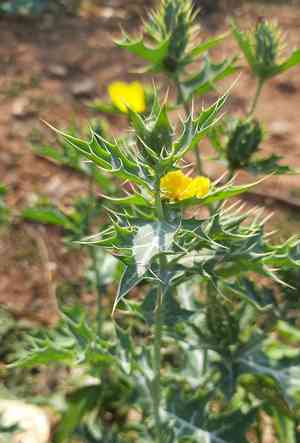
The most favorable period for relocating mexican prickly poppy is from mid to late spring, a time characterized by robust development. Select a bright spot with soil that drains effectively to meet its requirements. Careful handling is crucial for successfully establishing this hardy species.
What Preparations are Needed Before Transplanting Mexican Prickly Poppy?
What is the Ideal Time for Transplanting Mexican Prickly Poppy?
Relocate mexican prickly poppy in the middle of spring for a strong beginning. Utilize the consistent weather of mid-to-late spring for optimal root establishment.
How Much Space Should You Leave Between Mexican Prickly Poppy Plants?
To provide your mexican prickly poppy ample room to expand, aim to position each one approximately 1-2 feet (30-60 cm) apart. This helps ensure they receive sufficient sunlight and soil nutrients.
What is the Best Soil Mix for Mexican Prickly Poppy Transplanting?
For successful mexican prickly poppy planting, utilize well-draining, properly fertilized soil. A suitable base would be a blend of compost and garden soil. This offers a nutrient-rich foundation for the plants.
Where Should You Relocate Your Mexican Prickly Poppy?
Since mexican prickly poppy thrives in sunlight, locate a garden spot that receives abundant direct sunlight for most of the day. This will aid in proper growth and blooming.
What Equipments Should You Prepare Before Transplantation Mexican Prickly Poppy?
Digging Spade
The spade will be used to excavate the hole for the mexican prickly poppy plant and extract it from its initial location.
Gardening Gloves
These will safeguard your hands while handling the soil and plant.
Hand Trowel
This will assist in precise digging within confined areas.
Watering Can
You'll require this to hydrate the mexican prickly poppy plant during and after relocation.
Organic Compost
This will supply the essential nutrients for the mexican prickly poppy plant's development after being moved.
Mulch
This will help regulate soil temperature and maintain soil moisture post-transplantation.
How Do You Remove Mexican Prickly Poppy from the Soil?
How Do You Remove Mexican Prickly Poppy from the Soil?
From a Pot or Seedling Tray: If the mexican prickly poppy plant is in a pot or seedling tray, water it first to loosen the soil around the roots. Then, tilt the pot sideways and gently ease out the plant, holding it by its base. Be careful not to pull on the stems or leaves. In the case of a seedling tray, use a dibbler or any blunt stick to push it out from the bottom.From Ground: First, water the mexican prickly poppy plant to moisten the soil. Then, dig a wide trench around the plant using a spade, ensuring the plant's root ball remains intact. Carefully work the spade under the root ball to lift the plant from its original location.
Step-by-Step Guide for Transplanting Mexican Prickly Poppy
Preparation
Water the mexican prickly poppy plant in its initial spot to dampen the soil, making removal easier. Also, water the area where you intend to transplant the mexican prickly poppy.
Digging
Using a spade, excavate a hole in the ground that is twice as wide and as deep as the mexican prickly poppy's root ball.
Placement
Position the mexican prickly poppy into the hole. The top of the root ball should be level with the ground surface.
Soil Backfill
Refill the hole with a blend of garden soil and compost, working it around the roots of the mexican prickly poppy.
Watering
After planting, irrigate generously, moistening the surrounding soil to settle it around the roots.
How Do You Care For Mexican Prickly Poppy After Transplanting?
Watering Regularly
Following transplantation, the mexican prickly poppy will require consistent watering for several weeks to aid its establishment. Be cautious not to overwater and create waterlogged conditions.
Pruning
Any damaged or withered leaves should be trimmed. This will enable the mexican prickly poppy plant to focus its energy on developing new roots and leaves instead of repairing old ones.
Mulching
Apply a layer of mulch around the base of the mexican prickly poppy to help retain moisture and suppress weeds. Avoid allowing the mulch to touch the plant's stem to prevent rot.
Troubleshooting Common Issues with Mexican Prickly Poppy Transplantation.
When is the best time to transplant mexican prickly poppy?
The optimal period to relocate mexican prickly poppy is during late spring to early summer (S2-S3). This provides the plant ample time to establish before colder weather arrives.
What spacing is ideal when transplanting mexican prickly poppy?
For healthy growth and proper air circulation, ensure a distance of 1-2 feet (30-60 cm) between each mexican prickly poppy when transplanting.
How to prepare the root ball for mexican prickly poppy's transplantation?
Carefully loosen the soil surrounding the root system of mexican prickly poppy. Gently lift the plant with its roots and a small amount of attached soilâthis constitutes your root ball.
Why is mexican prickly poppy showing yellow leaves after transplanting?
Mexican prickly poppy may exhibit yellowing leaves due to transplant shock or insufficient water. Ensure you are not overwatering or underwatering and that the plant receives adequate sunlight.
How deep should the transplant hole be when planting mexican prickly poppy?
Dig a hole twice the width and the same depth as the root ball of the mexican prickly poppy. The top of the root system should be flush with the soil surface.
Should I fertilize mexican prickly poppy immediately after transplanting?
Refrain from applying fertilizer immediately after relocating mexican prickly poppy as it could cause root burn. Wait at least a few weeks, then nourish with a balanced slow-release fertilizer.
How much sunlight does mexican prickly poppy need after being transplanted?
Mexican prickly poppy thrives in full sun or partial shade. Therefore, after transplanting, position the plant where it will receive at least 6 hours of direct sunlight.
How to water mexican prickly poppy after transplanting?
Initially, keep the soil consistently moist but not waterlogged. Water the mexican prickly poppy thoroughly, ensuring the moisture penetrates deeply into the soil.
Why are the lower leaves of my transplanted mexican prickly poppy wilting?
Wilting after relocation is typically a result of root shock. The mexican prickly poppy should recover with consistent careâmoderate watering, ample sun, and ideal temperatures.
What to do if mexican prickly poppy isn't growing after transplanting?
Verify the light, water, and nutrient conditions. If these are appropriate, be patient; mexican prickly poppy might be directing energy into root development before above-ground growth.



