How to Transplant Jack-in-the-pulpit?
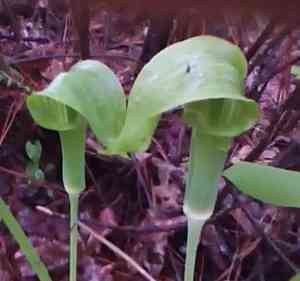
For Arisaema triphyllum, the ideal transplanting window spans from the close of spring to the beginning of summer, providing peak environmental factors for development. Choose locations with ample shade and consistent moisture, and during the transfer process, verify that the substrate is abundant in decomposed organic material to foster vigorous establishment.
What Preparations are Needed Before Transplanting Jack-in-the-pulpit?
What is the Ideal Time for Transplanting Jack-in-the-pulpit?
The optimal period for relocating jack-in-the-pulpit is when late spring transitions into early summer. During this time of vigorous plant growth, transplanting allows roots to establish well before intense heat. Choosing this window aligns with jack-in-the-pulpit's natural cycle, minimizing stress and enabling it to flourish in its new spot with the full growing season ahead.
How Much Space Should You Leave Between Jack-in-the-pulpit Plants?
When preparing to transplant jack-in-the-pulpit, ensure each plant is spaced 1-2 feet (30-60 cm) apart. This provides ample room for undisturbed growth and promotes overall plant health.
What is the Best Soil Mix for Jack-in-the-pulpit Transplanting?
Prior to transplanting jack-in-the-pulpit, prepare the soil with a well-draining, loamy blend. Consider using compost or manure as a foundational fertilizer to provide a nutrient-rich start. Jack-in-the-pulpit thrives in rich, moist soil!
Where Should You Relocate Your Jack-in-the-pulpit?
For jack-in-the-pulpit to flourish, select a location with partial to full shade. It prefers areas with filtered sunlight over direct sun, which can cause wilting. Happy transplanting!
What Equipments Should You Prepare Before Transplantation Jack-in-the-pulpit?
Gardening Gloves
To safeguard your hands when handling jack-in-the-pulpit and working with soil.
Shovel or Spade
Essential for excavating jack-in-the-pulpit and preparing its new ground location.
Garden Trowel
Useful for more precise digging around the plant and its root system.
Hand Rake
To clear debris from the transplant area and for soil preparation.
Watering Can
For hydrating the plant before and after the transplanting procedure.
Root Pruning Shears
To cleanly remove any damaged roots before planting.
How Do You Remove Jack-in-the-pulpit from the Soil?
How Do You Remove Jack-in-the-pulpit from the Soil?
From Ground: Start by thoroughly watering jack-in-the-pulpit to moisten the soil, which eases digging and helps keep the root ball intact. Use a shovel or spade to dig a wide circle around the plant, ensuring sufficient depth to avoid root damage. Carefully work the spade under the root ball and gently lift the plant.From Pot: Again, begin by watering the plant. Invert the pot, supporting the main stem between your fingers. Tap the pot's bottom to loosen jack-in-the-pulpit; it should slide out with the soil. Avoid pulling the plant, as this can harm roots.From Seedling Tray: Moisten the soil in the tray for easier removal. Gently hold jack-in-the-pulpit by its leaves (never the stem) and use a dibble to push the plant from below the tray. The seedling and roots should come out easily.
Step-by-Step Guide for Transplanting Jack-in-the-pulpit
Preparation
Ensure you water jack-in-the-pulpit several hours before transplanting. This facilitates movement and minimizes root shock.
Dig a Hole
The hole should be twice the root ball's width and the same depth. It's vital that jack-in-the-pulpit is not planted deeper than its original position.
Prepare the Plant
Inspect jack-in-the-pulpit's root ball and cleanly prune any damaged or broken roots. This promotes healthier growth after transplant.
Place the Plant
Gently position jack-in-the-pulpit in the hole. Backfill with soil, firming it slightly while ensuring the plant's stem remains clear.
Water Thoroughly
Water jack-in-the-pulpit generously immediately after planting. This helps the soil settle around the roots.
How Do You Care For Jack-in-the-pulpit After Transplanting?
Watering Routine
Consistent watering is crucial in the days following transplant. While jack-in-the-pulpit dislikes overly wet roots, it also cannot dry out. Aim to keep the soil uniformly moist, both deeply and around the plant.
Inspecting
Regularly check jack-in-the-pulpit for signs of transplant shock, such as wilted or yellowing leaves. If symptoms appear, ensure proper watering and consider adding a thin layer of organic mulch around, but not touching, the plant.
Pruning
If jack-in-the-pulpit struggles after transplant, consider pruning it back. This redirects its energy towards root development, ultimately benefiting the plant's overall growth.
Troubleshooting Common Issues with Jack-in-the-pulpit Transplantation.
When is the optimal time to transplant jack-in-the-pulpit?
The best moment to shift jack-in-the-pulpit is late summer to early autumn, known as 'S3-S4'.
What's the right spacing for transplanting jack-in-the-pulpit?
To give jack-in-the-pulpit adequate room for growth, maintain a distance between plants of 1-2 feet (0.30-0.61m).
How deeply should I plant jack-in-the-pulpit in the ground?
Jack-in-the-pulpit should be planted so the top of the bulb is 2-3 inches (5-7.6 cm) below the soil surface.
What kind of soil does jack-in-the-pulpit prefer for transplanting?
Jack-in-the-pulpit thrives in well-draining soil that is rich in organic matter, somewhat acidic to neutral in pH.
What sunlight conditions are best for jack-in-the-pulpit after transplanting?
Jack-in-the-pulpit prefers shaded areas or filtered sunlight, as direct, harsh sunlight can damage the plant.
How should I water jack-in-the-pulpit after transplantation?
After transplantation, keep the soil moderately moist until jack-in-the-pulpit has properly established itself.
Do I need to fertilize jack-in-the-pulpit after transplanting it?
While not strictly necessary, jack-in-the-pulpit can benefit from a slow-release all-purpose fertilizer after transplantation.
What should be the proper procedure to dig up jack-in-the-pulpit for transplantation?
Carefully dig around the plant, avoiding the main root system. Lift it gently, retaining as much of the root ball as possible.
How can I ensure jack-in-the-pulpit survives during the transplantation?
Ensure quick transplantation, minimize root exposure, water sufficiently and give it the right light conditions post-transplant.
What type of pot is suitable if I am transplanting jack-in-the-pulpit in containers?
Choose a heavy pot to support the plant and ensure it has good drainage. Also, ensure the pot is spacious enough for root development.



