How to Transplant Dutchman's pipe?
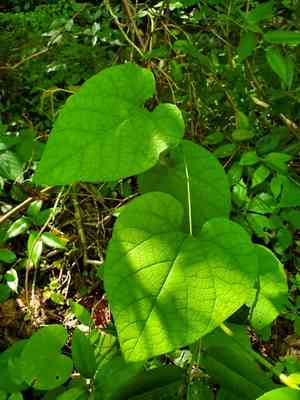
For dutchman's pipe, early spring presents the ideal period for relocation, utilizing the temperate conditions for strong root development. Select a location offering partial shade and soil that drains effectively. Careful manipulation is crucial to safeguard the fragile root structure throughout this process.
What Preparations are Needed Before Transplanting Dutchman's Pipe?
What is the Ideal Time for Transplanting Dutchman's Pipe?
The optimal period to relocate dutchman's pipe is as nature awakens – with the arrival of pre-summer warmth. Choose the gentle interval between late winter and early spring. This aligns with its natural growth cycle, fostering strong root development. As days lengthen, dutchman's pipe absorbs increasing sunlight, vigorously establishing itself in its new spot. This timing ensures roots take hold before summer heat stress.
How Much Space Should You Leave Between Dutchman's Pipe Plants?
When planning to move dutchman's pipe, ensure each plant has ample room to flourish. Ideally, aim for a separation of approximately 10-12 feet (3-3.7 meters). This spacing facilitates sunlight penetration and adequate airflow, which can deter diseases.
What is the Best Soil Mix for Dutchman's Pipe Transplanting?
For dutchman's pipe, well-drained, loamy soil yields the best outcomes. Enrich the soil with organic compost or a slow-release granular fertilizer prior to planting. This aids initial root development and healthy growth.
Where Should You Relocate Your Dutchman's Pipe?
Selecting an appropriate site for dutchman's pipe is crucial. It thrives in partial to full sun. However, a location with filtered sunlight or some afternoon shade can also be suitable. This balanced illumination will ensure your dutchman's pipe flourishes!
What Equipments Should You Prepare Before Transplantation Dutchman's Pipe?
Gardening Gloves
Essential for hand protection when handling soil and plants.
Spade or Shovel
Needed to excavate the hole and extract the plant from its original position.
Throwing Trowel
This implement assists in digging smaller, specific holes and refilling them post-transplant.
Watering Can
Used to uniformly moisten the dutchman's pipe, both in its initial spot and after relocation.
Wheelbarrow
Helpful for transporting the plant between locations, especially if it's large.
Mulch
This natural insulating layer is applied after transplanting to help retain soil moisture.
How Do You Remove Dutchman's Pipe from the Soil?
How Do You Remove Dutchman's Pipe from the Soil?
From Ground: First, lightly water the dutchman's pipe plant to moisten the soil, making excavation easier. Using a spade or shovel, dig a wide circle around the plant, ensuring its root ball remains intact. Carefully lift the plant from the ground once the spade is beneath the rootball.From Pot: Thoroughly water the dutchman's pipe plant and allow drainage. Then, tilt the pot sideways and gently slide the plant out. If resistant, tap the pot's sides to loosen it. Be careful not to harm any roots.From Seedling Tray: Fill a container with water and place the seedling tray inside, allowing water absorption from below. Then, using a dibber or small trowel, carefully scoop out each dutchman's pipe seedling, ensuring their roots are undamaged.
Step-by-Step Guide for Transplanting Dutchman's Pipe
Digging the Hole
Excavate a hole twice as wide and of equal depth to the dutchman's pipe's root ball. This provides ample space for root expansion and growth.
Placing the Plant
Position the dutchman's pipe in the hole, ensuring the top of the root ball is level with the surrounding soil. Backfill the hole, gently adding and firming the soil around the plant.
Watering
Immediately water the dutchman's pipe after planting, ensuring the soil is uniformly moist.
Mulching
Apply a generous layer of mulch around the plant's base to help conserve moisture and suppress weed growth. Remember not to pile mulch against the plant's stem, as this could lead to rot.
How Do You Care For Dutchman's Pipe After Transplanting?
Staking
If your dutchman's pipe is tall or unstable, it may require staking until its roots anchor in its new spot. Secure it gently to prevent plant damage.
Watering
Water the dutchman's pipe regularly to prevent soil desiccation, especially during dry periods. Be cautious not to overwater, as waterlogged soil can cause root rot.
Pruning
If the dutchman's pipe exhibits signs of stress or wilting post-transplant, prune back up to a third of the plant's top growth to reduce its water demand while roots establish.
Monitoring
Observe the dutchman's pipe's growth and adjust watering and care as needed. It's normal for plants to undergo an adjustment phase after transplanting before new growth appears.
Troubleshooting Common Issues with Dutchman's Pipe Transplantation.
When is the ideal season to transplant dutchman's pipe?
The optimal period for relocating dutchman's pipe is between S1 and S2, so plan your project during these seasons for best results.
What's a suitable distance between each dutchman's pipe when transplanting?
When planting dutchman's pipe, aim for a generous spacing of approximately 10 to 12 feet (3 to 3.6 meters). This allows for proper growth and development.
How can I avoid damaging dutchman's pipe during transplanting?
Handle dutchman's pipe with care, especially its roots. Excessive disturbance could hinder its establishment in the new location.
What kind of soil does dutchman's pipe prefer?
Dutchman's pipe thrives in well-drained soil rich in organic matter. Try to replicate these conditions during transplanting to encourage healthy growth.
What is the proper planting depth for dutchman's pipe?
Plant dutchman's pipe so its root ball is level with or slightly above the ground surface. Avoid planting it too deeply.
How often should I water dutchman's pipe after transplanting?
Water dutchman's pipe thoroughly after transplanting. Then keep the soil consistently moist, but not waterlogged. This is crucial while dutchman's pipe is establishing in its new spot.
Do I need to prune dutchman's pipe when I transplant it?
Trimming back dutchman's pipe can be beneficial at the time of transplanting. It helps to reduce moisture loss and promotes root growth.
I noticed yellow leaves on my transplanted dutchman's pipe, what's the problem?
Yellow leaves might indicate stress or a nutrient deficiency. Ensure dutchman's pipe receives adequate water and consider a balanced plant food to correct any nutrient imbalances.
My transplanted dutchman's pipe seems to be wilting. What can I do?
Wilting is a common symptom of transplant shock. Maximize care by watering correctly, maintaining appropriate light conditions, and avoiding drastic temperature changes.
Why is my recently-transplanted dutchman's pipe not showing new growth?
Don't worry, dutchman's pipe might simply be prioritizing root establishment. Be patient, provide optimal care, and await the plant's visible growth.



