How to Transplant Horseradish?
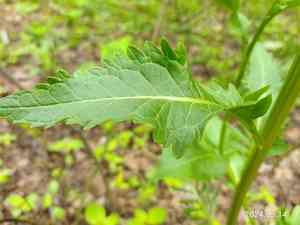
Horseradish is best relocated from late spring through mid-summer, when elevated soil temperatures facilitate superior root development. Select a bright area with soil that drains effectively for the most suitable placement. Handle with care during the transfer process, ensuring the roots remain damp but not waterlogged.
What Preparations are Needed Before Transplanting Horseradish?
What is the Ideal Time for Transplanting Horseradish?
The optimal season for relocating horseradish is from late spring through mid-summer. This timeframe allows for sufficient development due to warm temperatures and extended daylight. Moving plants during this period supports root establishment, leading to a healthier horseradish.
How Much Space Should You Leave Between Horseradish Plants?
When moving horseradish, ensure each plant has ample room to expand! Position them approximately 8-12 inches (20-30 cm) apart, which is the perfect distance for their growth and maturation.
What is the Best Soil Mix for Horseradish Transplanting?
To help horseradish flourish, utilize well-drained soil rich in nutrients. An excellent choice is to incorporate compost and a balanced fertilizer, such as a 10-10-10 blend. This prepares the soil for a thriving planting environment.
Where Should You Relocate Your Horseradish?
For optimal outcomes, transplant horseradish to a sunny spot receiving at least 6 hours of direct sunlight daily. These plants adore the sun, so a location with partial to full sun will have them growing vigorously in no time!
What Equipments Should You Prepare Before Transplantation Horseradish?
Gardening Gloves
To safeguard your hands while handling soil and plants.
Shovel or Spade
For excavating the planting hole and extracting the plant from its initial spot.
Garden Trowel or Hand Cultivator
For loosening the earth and preparing the transplant cavity.
Watering Can or Hose with a Gentle Spray Attachment
For hydrating the plant during and after its relocation.
Organic Fertilizer or Compost
To supply vital nutrients for the plant's development.
How Do You Remove Horseradish from the Soil?
How Do You Remove Horseradish from the Soil?
From Ground: First, moisten the horseradish plant to dampen the soil. Next, dig a wide trench around the plant using a shovel or spade, ensuring the plant's root ball remains intact. Carefully work the spade beneath the root ball to lift the plant from its original position.From Pot: Water the horseradish plant and tilt the pot on its side. Gently slide it out of the pot, holding onto the root ball and taking care not to harm the roots.From Seedling Tray: Water the horseradish seedlings thoroughly before transplanting. Use a small trowel or your fingers to carefully lift the seedlings from the tray, being cautious not to damage the roots.
Step-by-Step Guide for Transplanting Horseradish
Site Considerations
Select an area with proper drainage and adequate sunlight for your horseradish plant to thrive.
Hole Preparation
Dig a planting hole twice as wide and roughly the same depth as the root ball of the plant being moved.
Soil Amendment
Incorporate organic fertilizer or compost into the soil removed from the planting hole, ensuring even distribution.
Placement
Position the horseradish plant into the prepared hole, making sure the top of the root ball is level with the surrounding soil. Be careful not to plant too deeply or too shallowly.
Backfill and Tamp
Gently refill the hole with the amended soil, pressing down lightly as you go to ensure good contact between the soil and the plant's roots.
Water Thoroughly
Water the plant well after transplanting using a watering can or hose with a gentle spray attachment.
How Do You Care For Horseradish After Transplanting?
Watering
Keep the soil around the horseradish consistently moist but not waterlogged for the initial few weeks post-transplant to aid in strong root establishment.
Mulch
Apply a layer of organic mulch (such as shredded leaves or bark) around the base of the plant, keeping it a few inches away from the main stem to help retain moisture and regulate soil temperature.
Fertilizing
After the first month, begin fertilizing the horseradish with a suitable organic fertilizer. Follow the package instructions for correct application rates.
Monitoring
Observe the horseradish regularly for indications of stress, pests, or diseases. Address any issues promptly to ensure the health of your plant.
Troubleshooting Common Issues with Horseradish Transplantation.
What is the ideal time for transplanting horseradish?
The perfect period to move your horseradish is from late spring to mid-summer. This gives it ample time to establish roots before winter.
How far apart should I space horseradish when transplanting?
When transplanting horseradish, keep an optimal distance of 8-12 inches (20-30 cm) between each plant. This ensures adequate room for growth and spread.
Why are my transplanted horseradish plants wilting?
Horseradish plants can wilt due to transplant shock, improper watering, or exposure to extreme temperatures. Gradually introduce them to their new environment and ensure consistent watering.
How should I water horseradish after transplanting?
Immediately after transplanting, water your horseradish thoroughly, then maintain a consistent watering schedule. Avoid waterlogged soil as it can lead to root rot.
How do I protect my transplanted horseradish from pests?
Inspect your horseradish regularly for pest presence. In case of an infestation, use organic pesticides or plant-friendly insecticides to control the situation.
Can I transplant horseradish in any soil type?
Horseradish prefers well-drained, loamy soil. If your soil is heavy clay or sandy, consider amending it with compost or organic matter before transplanting.
How much sun does my transplanted horseradish need?
Ideally, horseradish should get full sun to partial shade. If you live in a hotter climate, some afternoon shade can be helpful.
My transplanted horseradish isn't growing. What do I do?
If your horseradish isn't growing, check your watering schedule, sunlight, and soil quality. It may need more nutrients, sunlight, or water to boost its growth.
Should I fertilize my transplanted horseradish?
Yes, your horseradish will benefit from a balanced, slow-release fertilizer. This should be applied as per the instructions on the packaging.
What should I do if my transplanted horseradish has yellow leaves?
Yellow leaves often indicate overwatering or nutrient deficiency. Adjust your watering schedule and ensure your horseradish gets the proper nutrients it needs.



