How to Transplant Common wormwood?
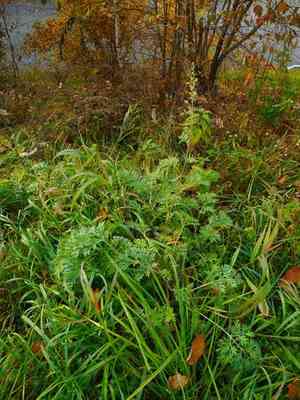
The optimal period for relocating common wormwood occurs in the vibrant days of late spring, as summer approaches. Select a bright spot with adequately draining earth to guarantee common wormwood a vigorous fresh beginning. Carefully support common wormwood through this transition.
What Preparations are Needed Before Transplanting Common Wormwood?
What is the Ideal Time for Transplanting Common Wormwood?
The optimal period for relocating common wormwood is from mid to late spring. This timeframe, characterized by stable weather and mild sunlight, offers an excellent setting for common wormwood to establish its root system without the stress of extreme temperatures. By transplanting during this growth-favorable season, you provide common wormwood with the best start, leading to a strong and flourishing plant. A friendly reminder: this is when nature awakens, and so too will your common wormwood, bursting with vitality.
How Much Space Should You Leave Between Common Wormwood Plants?
To allow common wormwood ample room for development, aim for a spacing of approximately 1-1.5 feet (30-45 cm) between each plant during transplantation. This ensures every plant has the necessary space to thrive!
What is the Best Soil Mix for Common Wormwood Transplanting?
Common wormwood flourishes in soil that drains effectively. Incorporating some compost or well-rotted manure provides a good foundational fertilizer for this plant. These elements create an excellent base to nourish your plants and enhance soil structure.
Where Should You Relocate Your Common Wormwood?
Regarding the best location for your common wormwood, it prefers full sun! Keep this in mind when choosing your planting site; ideally, it should receive at least 6 hours of sunlight daily.
What Equipments Should You Prepare Before Transplantation Common Wormwood?
Gardening Gloves
These are essential for protecting your hands while handling soil and plants.
Garden Spade/Shovel
This tool is used for digging holes and moving earth.
Hand Trowel
A smaller implement to efficiently scoop soil and carefully work around the plant and its roots.
Garden Fork
It is utilized to loosen the soil surrounding the common wormwood plant prior to transplanting.
Watering Can
For hydrating the plant both before and after its relocation.
Mulch
This aids in retaining soil moisture and inhibiting weed growth.
Garden Pruners
To trim any damaged roots or stems.
Wheelbarrow
For transporting the plant and soil.
How Do You Remove Common Wormwood from the Soil?
How Do You Remove Common Wormwood from the Soil?
From ground: Start by thoroughly watering the common wormwood plant several hours before transplanting. This will soften the soil, making it easier to work with. Use a spade/fork to carefully dig a wide trench around the plant, encompassing its entire root system, ensuring you get beneath the root ball without causing damage. Gently lift the plant from the ground and immediately place it in a wheelbarrow to shield the roots from air and sun exposure.From pot: Water the plant well, ensuring the soil is moist. Hold the pot sideways and gently tap its sides to loosen the plant and its root ball. Slowly slide the common wormwood out without yanking or pulling too forcefully on the stem. If it seems stuck, try gently squeezing the pot to loosen the soil.From seedling tray: Carefully separate the seedlings from other plants, making sure to extract as much of the root system as possible without causing damage. Lift the common wormwood seedling by its leaves, not the stem, as leaves can regrow if accidentally harmed.
Step-by-Step Guide for Transplanting Common Wormwood
Preparation
Before you begin, thoroughly water the new planting area to prepare the soil.
Digging
Use your spade to excavate a hole twice the width of the common wormwood's root ball and of equal depth. The extra space allows the roots to spread and grow.
Planting
Position your common wormwood into the prepared hole. Ensure it stands upright and the top of the root ball is level with the ground surface. Backfill the hole with soil, gently firming it around the plant.
Watering
Water the common wormwood generously immediately after planting to help settle the soil.
Mulching
Spread a layer of mulch around the plant, leaving a small gap around the stem. This helps retain moisture and prevent weed growth.
How Do You Care For Common Wormwood After Transplanting?
Watering
Continue to water the common wormwood regularly, but avoid saturating the soil as this can lead to root rot.
Pruning
Inspect the plant for any dead or dying leaves and branches, and remove them so the plant can focus on establishing new roots.
Mulching
Check the mulch periodically and replenish if necessary to control weed growth and maintain soil moisture.
Observation
Closely monitor the common wormwood, especially for the initial few weeks, to watch for any signs of transplant shock or disease. If you notice any wilting or yellowing leaves, you may need to adjust your watering or sunlight exposure. Don't worry; plants often require some time to adapt after transplanting.
Troubleshooting Common Issues with Common Wormwood Transplantation.
When is the best time to transplant common wormwood?
Common wormwood is best transplanted between late spring and early fall (S2-S4). It's also easier during cool, cloudy days.
How far apart should I space common wormwood when transplanting?
You should allow approximately 1-1.5 feet (30-45 cm) between each plant. This will give common wormwood's root system enough space to grow.
What should I do if common wormwood wilts after transplanting?
Don't fret! Transplant shock is common - ensure correct water management. Keep the soil moist, not soggy, and provide light shade for a few days.
How deep should the holes be when transplanting common wormwood?
The hole should be twice as wide and the same depth as the root ball of common wormwood. This ensures enough room for roots to spread.
Should I prune common wormwood before transplanting?
Yes. Remove around one third of the plant's foliage to reduce the strain on its roots and increase survival rates after transplantation.
What type of soil is best for transplanting common wormwood?
Common wormwood prefers well-drained, fertile soil. However, it's adaptable and can grow in a range of soil types, as long as it's not water-logged.
How should I water common wormwood after transplanting?
Water common wormwood thoroughly after transplanting, then lightly as needed. The key is to keep the soil moist, but avoid overwatering as it can cause rotting.
My common wormwood's leaves are discolored after transplanting. What went wrong?
This may be due to transplant shock. Ensure your common wormwood is properly watered, receiving suitable light, and check for signs of pests or diseases.
Can I transplant common wormwood when it is in full bloom?
While it's possible, it's challenging as blooming plants often experience more stress. It's best to transplant common wormwood before budding season or after the blooms fade.
Why is it crucial to transplant common wormwood on a cool, cloudy day?
Transplanting on a cool, cloudy day reduces the shock to common wormwood. It keeps the plant hydrated and allows it to acclimate to its new home gently.



