How to Transplant Italian arum?
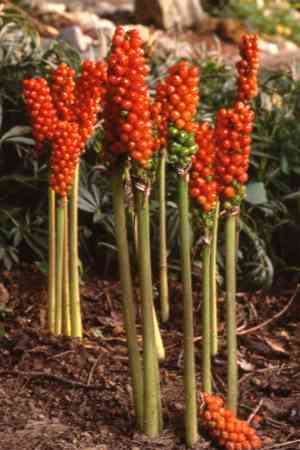
For Italian arum, the most favorable time for transplanting is within the balmy period of late spring through early summer. Select a location offering partial shade and soil that drains effectively to foster robust development. Careful management of the root system will contribute to a smooth establishment.
What Preparations are Needed Before Relocating Italian Arum?
What is the Optimal Period for Relocating Italian Arum?
Moving italian arum during the transition from late spring to early summer provides the ideal combination of warming soil and mild weather. This period is perfect for italian arum's root establishment, avoiding extreme cold or intense heat. Gentle spring rains offer natural irrigation, promoting vigorous growth in italian arum's new environment. A helpful tip: this timing aligns with italian arum's natural growth cycle, leading to healthier, more robust plants. Additionally, it allows italian arum ample time to settle before winter dormancy.
How Much Space Should You Allow Between Italian Arum Plants?
Start by ensuring each italian arum has adequate room to expand. Ideally, you'll want to position your plants approximately 2-3 feet (60-91 cm) apart. This provides sufficient space for them to spread without becoming overcrowded.
What is the Best Soil Mixture for Italian Arum Relocation?
Prepare your soil! Italian arum thrives in well-draining soil to encourage robust development. For optimal outcomes, enrich your soil with a foundational fertilizer before planting. This will supply essential nutrients, laying the groundwork for success.
Where Should You Replant Your Italian Arum?
Identify the perfect spot! Italian arum prefers partial to full shade, meaning the best locations are those that receive sunlight for only a portion of the day. Avoid placing your italian arum in an area that gets direct sun all day to prevent scorching.
What Equipment Should You Prepare Before Relocating Italian Arum?
Gardening Gloves
To safeguard your hands when working with soil and handling the plant.
Trowel
You'll need this for excavating the plant and creating a suitable hole in the new spot.
Shovel
If the plant has grown quite large, you might require a shovel instead of a trowel for digging.
Garden Cart or Wheelbarrow
To safely move the italian arum plant from its current position to the new one.
Mulch
Helps maintain soil moisture and regulate soil temperature after relocation.
Watering Can
To hydrate the plant following the move.
How Do You Extract Italian Arum from the Soil?
How Do You Extract Italian Arum from the Soil?
From Ground: If the italian arum is currently planted in the ground, begin by thoroughly watering the soil. This will simplify the task by keeping the root ball intact. Using a trowel or shovel, carefully loosen the earth around the plant, taking care not to harm any roots. Dig deep enough to accommodate the entire root system and gently lift the plant from the soil.From Pot: If the plant is in a pot, water it an hour before the relocation. Then turn the pot on its side and gently ease the plant out. Avoid pulling the stem, as this can injure the plant. The entire root system should slide out.From Seedling Tray: If the italian arum is still a seedling, ensure the soil is moist before gently pushing the seedling from the bottom. Make sure to support the seedling by its leaves rather than the stem during this process.
Step-by-Step Guide for Relocating Italian Arum
Preparation
Before you start, immerse the italian arum in a tub of water for an hour.
Digging the Hole
Excavate a hole in the new planting area, approximately twice the width of the italian arum's root ball and deep enough to fully cover the roots.
Setting the Plant
Position the plant in the hole and stabilize it, ensuring it stands perfectly upright. Then, cover the root ball with soil, pressing gently to eliminate any air pockets.
Mulching
Apply a layer of mulch around the base of the italian arum. This will help retain moisture and suppress weeds.
Watering
Subsequently, thoroughly water the italian arum to settle the soil around the roots.
How Do You Care For Italian Arum After Relocation?
Watering
Consistent watering is crucial, especially during the initial weeks. However, avoid over-watering as italian arum dislikes overly saturated conditions.
Mulching
Replenish the mulch as needed to continue aiding in soil moisture retention and weed control.
Pruning
Remove spent flowers and yellowed leaves during the growing season to encourage healthier growth and maintain the plant's appearance.
Monitoring
Observe for signs of plant distress, such as wilting or discolored foliage. These symptoms might indicate that the plant requires more water, less sunlight, or could be experiencing a disease.
Troubleshooting Common Issues with Italian Arum Relocation.
Which season is ideal to relocate italian arum?
The best season to relocate italian arum is late Summer to early Autumn.
How far apart should italian arum be spaced when relocating?
Ideally, italian arum should be spaced 2-3 feet (60-90 cm apart) when relocating. This allows them to grow and spread out.
How deep should the hole be when relocating italian arum?
The hole should be deep enough to cover the roots of the italian arum, typically about 8-10 inches (20-25 cm).
What kind of soil does italian arum prefer for relocating?
Italian arum prefers well-drained, fertile soil with a pH between 6.0 and 7.0. Enriching the soil with compost before relocating helps the plant establish better.
How often should italian arum be watered after relocating?
Water italian arum generously immediately after relocating and maintain regular deep watering until the plant is well-established. Be careful not to overwater.
What is the right way to handle the roots of italian arum during relocation?
The roots of italian arum should be handled gently during relocation. Avoid breaking the roots while removing from the original container.
Does italian arum need fertilization after relocating?
Yes, applying a slow-release granular fertilizer a week after relocating italian arum promotes strong root growth and foliage development.
How much sunlight does italian arum need when relocated?
Italian arum prefers partially shaded to fully shaded positions after relocation. Watching the foliage can indicate whether they are getting appropriate light.
Should I prune italian arum when relocating?
No major pruning is needed when relocating italian arum. However, removing wilted flowers and yellow leaves facilitates healthy growth.
What might affect italian arum's growth after relocation?
Poor soil quality, overwatering/underwatering, overwhelming sunlight, low temperatures, and improper spacing can all negatively affect italian arum's growth after relocation.



